When your body doesn't recognize the new chapter
Here's what nobody tells you: relationship transitions don't just mess with your emotions. They rewire your physical response to intimacy. Moving in together, remarrying after divorce, or shifting from long-distance to daily life doesn't feel the same in your body as it does in your head. The nervous system doesn't care that this partnership makes sense on paper.
Your body is confused. It's used to a rhythm it no longer lives, a touch it no longer expects, a presence it's learning to trust again. And that confusion shows up as reduced sensation, slower arousal, or a flatness that has nothing to do with how much you care.
This is where lemon vibrators step in. They're not a workaround for a broken system. They're a reset button that helps your body relearn pleasure on its own terms, first. Then it gets easier to share it.
Why relationship shifts change physical response
When you move in with a partner, your nervous system is literally reprocessing safety. Your body was used to either anticipation (long-distance) or a particular rhythm of presence (the old apartment, the old routines). Now everything is different. The bedroom is new. The morning looks new. The texture of daily availability is unfamiliar.
This isn't psychological resistance. It's neurobiology. Your arousal response depends partly on a sense of safety and predictability. A massive life change, even a positive one, triggers a low-level threat response. Your nervous system is asking: do I trust this new normal yet?
Divorce and remarriage carry the same issue, sometimes deeper. Your body learned patterns with someone else. Those neural pathways exist. When a new partner touches you, your nervous system is simultaneously grieving the old familiarity and trying to build new associations. That takes time, and it shows as numbness or slowness that has absolutely nothing to do with attraction.
Add in a change of environment, new household routines, the stress of merging lives, and your clitoris is basically saying: "I'm not ready yet." That's not a malfunction. That's your body being cautious.
How lemon sexual toys rebuild sensation on your timeline
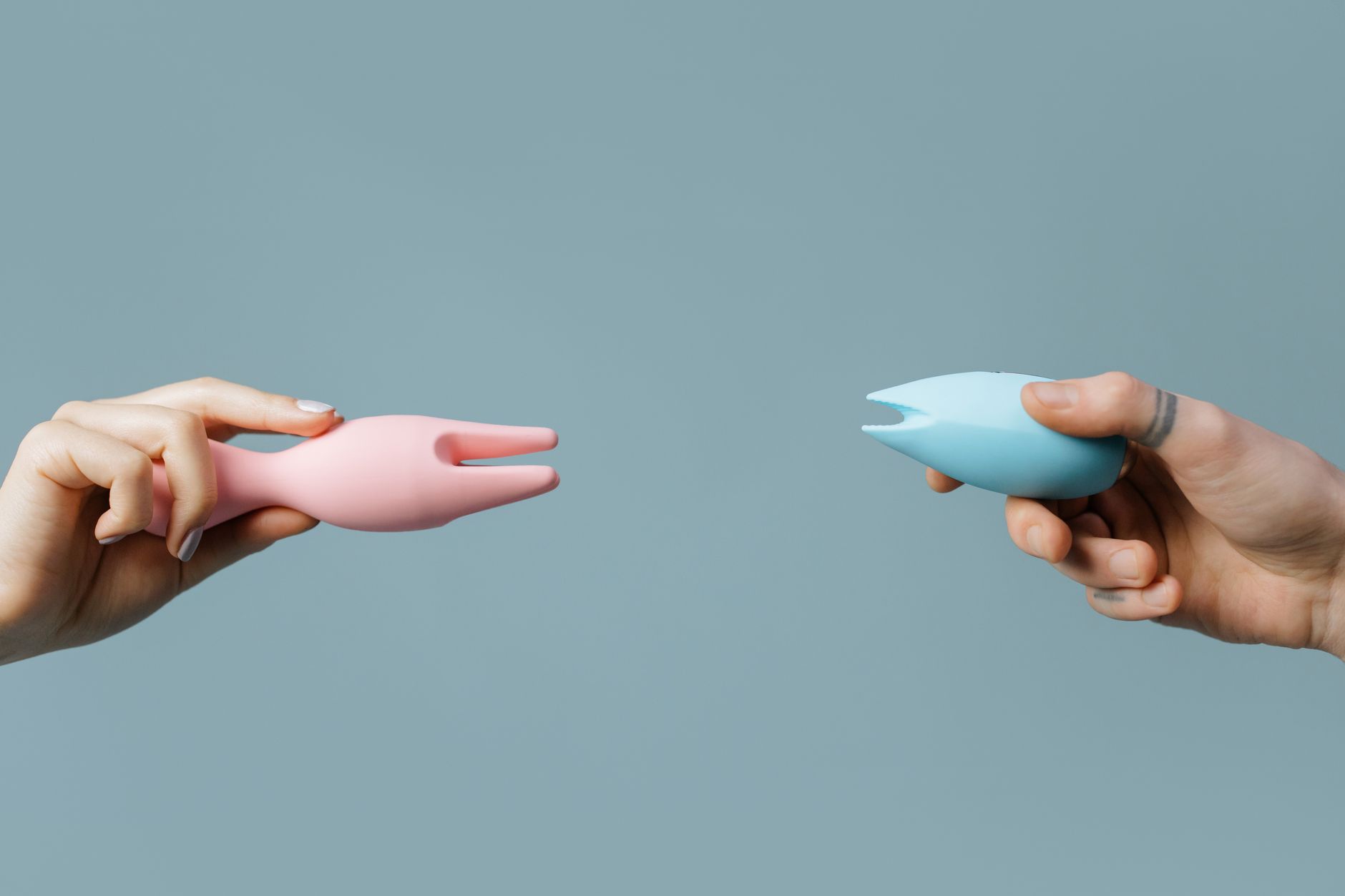
Lemon vibrators, especially suction-based designs, work differently than traditional vibrators for this exact scenario. They use gentle pressure and rhythm patterns that don't require the same kind of neural priming as penetrative or friction-based stimulation. They meet your body where it actually is right now, not where it used to be.
When you use a lemon clitoral vibrator solo, you're doing two things at once. First, you're giving your body permission to explore sensation without the performance anxiety of a partner present. You're not managing anyone else's pleasure or expectations. You're just learning what your body wants in this new chapter.
Second, you're rebuilding the neural pathways for arousal. Sensation is like muscle memory. If it's been dormant for a few weeks or months during a transition, it needs reactivation. Lemon vibrators reintroduce intensity, release, and the whole orgasmic sequence your nervous system may have deprioritized during stress.
That's not replacing partnership. That's restoring your own capacity so you can actually show up in partnership.
Solo use first, then together
I recommend a specific sequence with clients going through relationship transitions. Spend 2-4 weeks using a lemon vibrator alone. Not as a band-aid. As intentional practice. You're teaching your nervous system that this new body, this new home, this new life can still feel good.
Then introduce it with your partner. But here's the crucial part: don't make it about performance or reaching orgasm. Use it as a way to show your partner what feels good without them having to guess. They watch. You explore. There's something deeply grounding about that, because it separates "learning what my body needs" from "proving the relationship is working."
Many couples I work with find that this single shift, using lemon adult toys together for exploration rather than goal-oriented sex, completely changes the tone of reconnection. It's less pressure. It's more information. And it's much more likely to lead to genuine desire than forcing physical intimacy before your nervous system is ready.
The permission piece most people skip
Honestly, the biggest barrier I see isn't physiological. It's permission. When you're in a new relationship or a remarriage, there's often an unspoken rule: "I should want this person immediately and fully." If you don't, you feel like something's broken. With you, with them, with the choice.
Using a lemon vibrator, whether solo or with a partner, is a way of saying: "My pleasure matters more than the story I'm telling myself I should feel." That's radically different from traditional sex advice, which usually frames it as: "Try harder, relax more, communicate more."
Those things help. But they're missing the first step, which is permission to be exactly where you are.
If your body is numb in a new relationship, that's not a sign the relationship is wrong. It's a sign your nervous system is processing big change. A lemon clitoral vibrator acknowledges that reality instead of fighting it.
Rebuilding together
Once you've spent a few weeks solo, bringing lemon sexual toys into partnered time becomes genuinely connective. You're not performing. You're inviting. You're saying: "This is what I need right now, and I want you to see it."
That's a completely different dynamic than the typical narrative about couples introducing toys. It's not a "spice it up" move. It's a "help me rebuild" move. And partners who understand that distinction usually find it much less threatening.
In fact, many partners find watching their person use a lemon vibrator incredibly arousing because it's the first time they're seeing genuine pleasure in this new phase. Not performance. Not obligation. Real sensation. Real release.
Your body is relearning trust. A lemon vibrator helps it remember what pleasure feels like while it does.
When to expect shifts
You won't feel different immediately. But most people report that after 3-4 weeks of regular use, sensation starts coming back. Arousal gets faster. Orgasms feel more intense. That's the nervous system recalibrating.
Some people notice changes faster. Some take longer, especially if the relationship transition was preceded by other stressors (job changes, moves, family stuff). That's completely normal. There's no timeline for this.
What matters is consistency and patience. Use the vibrator when you feel like it, not as another obligation. The goal isn't to "fix" anything. It's to restore what already belongs to you.
Talking about it without making it weird
If you're in a new partnership or remarriage, bringing up lemon vibrators doesn't have to be a whole conversation. You can start small: "I've been feeling a little numb with everything changing, and I want to figure out what helps. I'm going to explore some things solo for a bit, and maybe we can do it together later." That's it.
Most partners appreciate honesty way more than awkwardness. And the fact that you're taking ownership of your pleasure instead of blaming them or the relationship? That reads as strength, not weakness.
If your partner isn't supportive of that, that's useful information too. But in my experience, when someone explains it as "I'm rebuilding my own capacity so I can show up more fully with you," most partners genuinely get it.
FAQ: Lemon Vibrators and Relationship Transitions
How long does it take to feel sensation coming back after a relationship transition?
Most people notice incremental changes within 2-3 weeks of regular use, and more significant shifts by 6-8 weeks. That said, if your transition included other stressors (job loss, relocation, grief), it might take longer. Your nervous system processes all of it together. There's no rush.
Can using a lemon vibrator alone damage intimacy with my partner?
Actually, the opposite is true. Solo exploration reduces performance pressure and helps you know what you actually need. That information makes partnered sex better, not worse. The problem isn't self-pleasure. The problem is not knowing what you want and expecting your partner to guess.
What if my partner feels threatened by lemon vibrators?
That's a conversation worth having, not a sign to give up. Be direct: "This isn't about you. This is about me rebuilding my own baseline after everything shifted." If they're struggling, sometimes it helps to explain that vibrators and partners do fundamentally different things. A vibrator can't replace partnership. It restores capacity. There's room for both.
Should I use the same intensity settings after a relationship transition?
Actually, you might need to start lower than you think. Your tissues and nerves are recalibrating. Begin at pattern 1 or 2, even if you used stronger settings before. Your body will let you know when it's ready for more. Listen to that.
Is it normal to feel emotional when sensation comes back?
Completely normal. Pleasure is tied to safety, and when your body starts feeling safe again, grief and relief both show up. You might cry. You might feel overwhelming relief. You might feel both. That's your nervous system acknowledging that you've made it through the transition. Sit with it.
How do I bring up lemon vibrators if my partner has never heard of them?
Keep it simple. "There's this brand I found called Lemon Vibrator Shop that makes clitoral vibrators. I want to explore using one, maybe eventually together. Are you open to that?" Most people are way less weird about it than you think. And if they're not, that's information you need.
Moving forward
Relationship transitions always mess with your body's sense of what's normal. That's not a flaw in you or the partnership. It's how nervous systems work. Lemon clitoral vibrators are a tool for restoring your own pleasure capacity while your body learns to trust the new chapter you're building.
Start solo. Rebuild your baseline. Then, if and when it feels right, invite your partner in. You'll show up as yourself. And that's worth the patience it takes.
If you're navigating a relationship transition and want guidance on how to rebuild intimacy, reach out. I'm here to talk through what you're actually feeling, not what you think you should feel.