Here's the thing about pelvic floor dysfunction
It's not what most people think it is. You hear "pelvic floor" and imagine something broken beyond use. The truth is messier and actually more hopeful. Your pelvic floor muscles might be too tight, too loose, or completely out of sync. Any of those versions will mess with pleasure, but none of them prevent it.
I've worked with dozens of people rebuilding sensation after pelvic floor dysfunction, and the consistent finding is this: the barrier is almost never the body. It's almost always the story you're telling yourself about the body.
What pelvic floor dysfunction actually changes
Your pelvic floor is a sling of muscle that supports your bladder, uterus (if you have one), and rectum. It also plays a starring role in arousal and orgasm. When it's functioning well, it contracts rhythmically during sex and releases afterward. When dysfunction shows up, those contractions either don't happen, happen too much, or happen in the wrong pattern.
Here's what that means for sensation.
If your pelvic floor is too tight (hypertonic), direct pressure on the vulva or penetration can feel sharp or uncomfortable. The muscles can't relax enough to let arousal build. If it's too loose (hypotonic), you might feel numbed out during stimulation. The muscles that normally amplify sensation feel slack.
Either way, the clitoris itself is still intact. The nerve endings are still there. The brain's capacity for pleasure hasn't moved. What's changed is the pathway that sensation travels.
Why lemon vibrators work differently for pelvic floor issues
Traditional vibrators rely on direct mechanical vibration against the clitoris. If your pelvic floor is hypertonic (tight), that can feel painful or triggering. You're working against your own muscles.
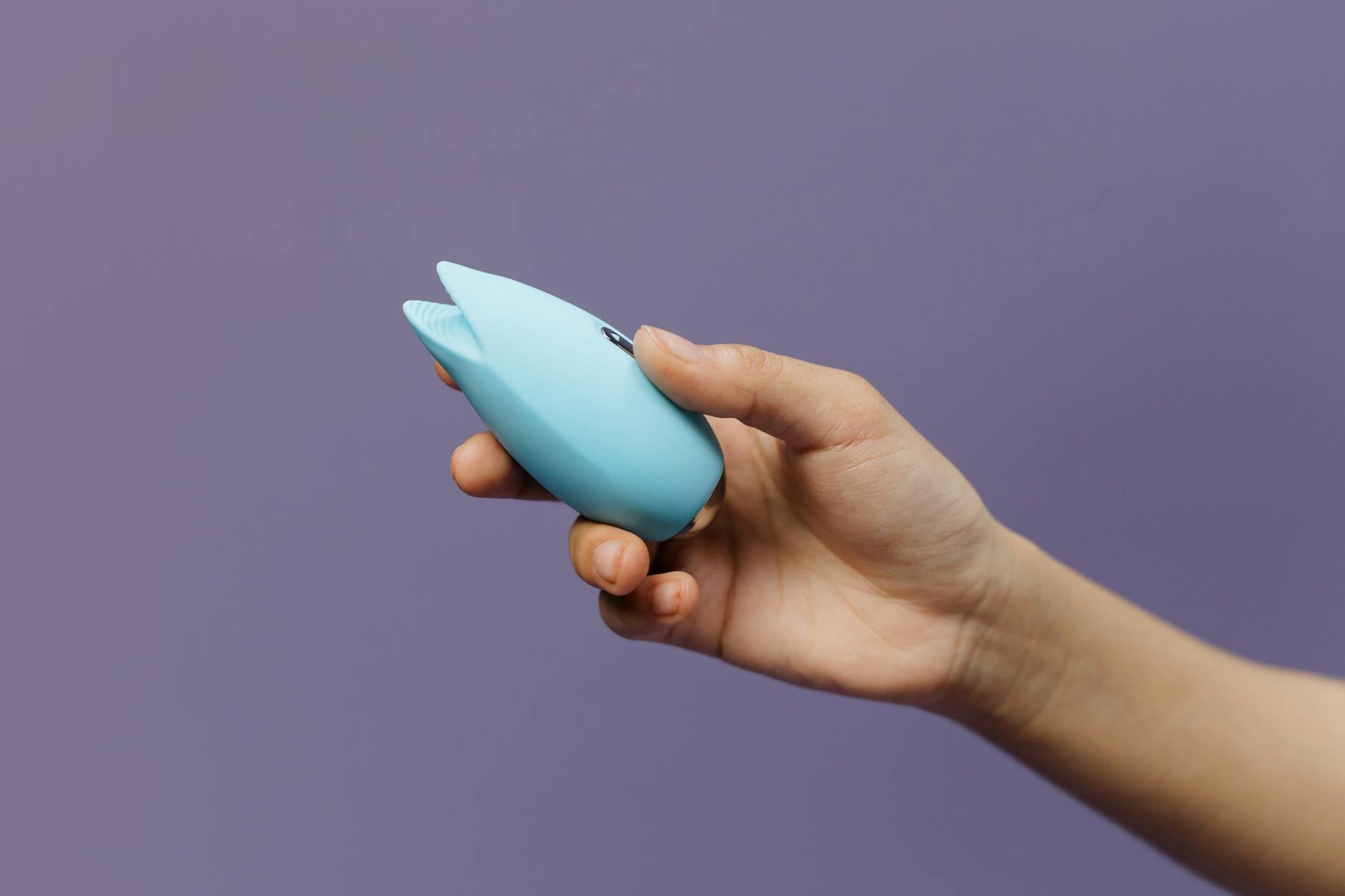
Lemon suction toys, including the Lemon Clitoral Vibrator, work through a completely different mechanism. They create rhythmic suction and release patterns that stimulate the tissue without the same direct pressure. This matters because suction engages the nerve network around the clitoris differently. It's gentler, more rhythmic, and it doesn't require the pelvic floor to relax in the same way.
For people with tight pelvic floors, this is often the difference between pain and pleasure. For people with loose pelvic floors, the suction creates a focused, sustained sensation that doesn't disappear into numbness.
Many of my clients report that lemon clitoral vibrators actually help them reconnect with sensation they thought was gone. The suction gives the nervous system a clear signal to pay attention. Over time, consistent, pleasurable stimulation can help retrain the pelvic floor's response pattern.
The three-part recovery framework
Rebuild sensation after pelvic floor dysfunction isn't a sprint. It's a negotiation between your body and your expectations.
Part one: Permission. Stop thinking of lemon adult toys as a workaround and start thinking of them as a tool for your actual body right now. Your body is not broken. It's recalibrating. That's different.
Part two: Slow reintroduction. Start with the lowest suction setting on a lemon vibrator. Use it for short sessions, 5 to 10 minutes. The goal is not orgasm. The goal is sensation. Let your nervous system notice the stimulation without pressure to respond in any particular way.
Part three: Pattern building. As your body acclimates, gradually increase session length and intensity. You'll likely notice that pleasure builds differently than it did before. That's not worse. It's just different. And different can be better once you stop resisting it.
The physical pacing that actually works
Most people want to jump straight back to their old rhythm. That almost never works. Instead, think of this like physical therapy.
Weeks one and two: use a lemon vibrator or other lemon sexual toy at the lowest intensity for 5 to 10 minutes, three times a week. No orgasm pressure. Just sensation.
Weeks three and four: same frequency, but you can increase to 10 to 15 minutes if the first sessions feel good. If pain or numbness shows up, dial back.
Weeks five onward: increase intensity gradually, adding one pattern level every two to three sessions. Stop if you feel pain. That's not a threshold to push through. Pain means something's not ready yet.
This timeline won't match what you did before pelvic floor dysfunction. That's fine. Your nervous system isn't competing against your history. It's just trying to trust sensation again.
When partner involvement helps (and when it doesn't)
If you're in a relationship, your partner's involvement can speed recovery or tank it entirely. The difference is whether your partner understands this is about your body, not about them.
Here's what helps: your partner understanding that pelvic floor dysfunction changes the pace, not the endpoint. It's not a referendum on attraction. It's not a sign of anything wrong with the relationship. It's biology asking for different timing and different touch.
What doesn't help: your partner taking the slowness personally, or your partner trying to "fix" you through sex. The worst thing that happens in recovery is when a partner interprets your need for a lemon vibrator as a rejection of them. It's not. It's an acceptance of your body's current needs.
If you want to rebuild pleasure with a partner during pelvic floor recovery, the conversation should be: "I'm using this tool to reconnect with sensation. Sometimes I'll want to explore that alone. Sometimes I'll want you involved. I'll let you know." That's it. Simple. Clear. Not about them.
The mental piece (which is bigger than you think)
Pelvic floor dysfunction often shows up alongside anxiety, past pain, or trauma. Your body learned that the pelvic floor is a place where things go wrong. Now it's protecting itself. That protection shows up as tension, numbness, or shutdown.
Using a lemon vibrator or other lemon clitoral vibrator is not just a physical practice. It's a permission slip to your nervous system. You're saying: "This is a place where pleasure lives. Not pain. Not performance. Pleasure." Your body will take a while to believe that. That's normal.
This is why the slowness matters. You're not just building back sensation. You're building back trust between yourself and your body.
When you need actual professional help
If you're experiencing sharp pain, severe numbness that doesn't improve over two weeks of gentle exploration, or if pelvic floor dysfunction is connected to trauma, a pelvic floor physical therapist is not optional. They're essential.
A good pelvic floor PT can assess whether your dysfunction is tension-based or weakness-based, and they'll give you specific exercises that align with where you are. They'll also clear the path for tools like lemon sexual toys to work effectively. Sometimes the tension is so high that stimulation makes it worse until the pelvic floor has some support in relaxing.
You can use lemon vibrators alongside pelvic floor PT. Most PTs actually recommend it. The idea is you're working the muscles in therapy, and you're relearning pleasure in your own exploration. Both matter.
The timeline for real change
Honestly? Most people see meaningful improvement in sensation and comfort within four to six weeks of consistent, gentle exploration with a lemon vibrator. Some see it faster. Some take longer. Your nervous system is unique.
What matters is that you're moving. You're not waiting for pelvic floor dysfunction to fix itself (it usually doesn't, without intervention). You're not avoiding pleasure out of fear (that just makes the tension worse). You're actively, gently, repeatedly telling your body that sensation is safe and good.
That works. Not every time, not on the first try, but over time, that actually works.
People also ask
Can you use a lemon vibrator if you have pelvic floor dysfunction?
Yes, but thoughtfully. Start at the lowest intensity and shortest duration. If suction-based lemon clitoral vibrators cause sharp pain immediately, your pelvic floor might be too tight right now. In that case, work with a pelvic floor PT for a few weeks before adding vibrators back in. If you feel numbness or nothing at all, that's often a sign lemon sexual toys can actually help, because the suction creates targeted sensation in a way that might cut through the numbness.
Does pelvic floor dysfunction mean you can't orgasm?
No. It means orgasms might feel different, take longer, or require a different kind of stimulation than before. Many people find that once they accept the change and stop fighting it, orgasms come back. Sometimes stronger than before, because you're not approaching them with tension and resistance.
Should you do Kegels if you have pelvic floor dysfunction?
Maybe. This is the counterintuitive part. If your pelvic floor is already too tight (hypertonic), Kegels make things worse. You're just teaching the muscle to grip harder. If it's too loose (hypotonic), Kegels help. But you need a PT to diagnose which one you have before you start squeezing. This is one reason to get professional assessment.
How long does it take to recover sensation after pelvic floor dysfunction?
Four to eight weeks of consistent gentle stimulation is realistic for meaningful improvement. Some people feel better faster. Some take three months. The key is consistency and gentleness, not intensity. Using a lemon vibrator three times a week beats using one intensely once a week.
Can stress or anxiety make pelvic floor dysfunction worse?
Absolutely. Stress and anxiety both increase pelvic floor tension. So does holding yourself rigid because you're afraid of pain. One of the reasons slow exploration with a lemon vibrator works is it breaks that cycle. You're learning, over time, that your pelvic floor can relax and that sensation is safe. That mental shift is sometimes as important as the physical stimulation.
Is it normal to feel nothing at first with a lemon vibrator if you have pelvic floor dysfunction?
Completely normal. Numbness often comes with pelvic floor dysfunction because the muscles are either so tight they're cutting off sensation or so loose they're not amplifying it. A lemon suction toy can actually help wake that area back up. The suction gives your nervous system a clear signal. Sensation usually returns once you've been consistent for a few weeks.
The real recovery
Pelvic floor dysfunction is frustrating. It's also incredibly common. About one in four people will experience some version of it in their lifetime. You're not alone, and you're not broken.
What you are is in a new season. Your body's asking for different tools, different pacing, different patience with yourself. Lemon vibrators and other lemon clitoral vibrators exist partly because people figured out that your actual body right now matters more than the body you remember having.
Start low. Start slow. Notice what feels good. Repeat. That's not settling. That's recovery.
If you're navigating pelvic floor dysfunction and want to explore more about rebuilding pleasure during recovery, reach out. We're here to help. Contact us with questions or for personalized guidance.
References
- Pelvic Health Alliance. "Understanding Pelvic Floor Dysfunction." Clinical consensus, 2024.
- American Physical Therapy Association. "Pelvic Health Special Interest Group Guidelines." Evidence-based practice standards, 2024.
- Morin, M., et al. "Pelvic Floor Dysfunction: Prevalence, Risk Factors, and Impact on Quality of Life." Journal of Sexual Medicine, 2023.
- Berghmans, B., et al. "Behavioural Pelvic Floor Muscle Training in Women With Symptoms of Overactive Bladder." Neurourology and Urodynamics, 2023.