
Here's what nobody warns you about with testosterone therapy
You start testosterone expecting one thing: more desire. What actually happens is messier and honestly more interesting. Your entire arousal circuitry rewires. Not in a bad way. In a "suddenly your body is speaking a different language and you need a translator" way.
The first three weeks, many people report that arousal hits faster and harder. That's thrilling. By week four or five, something shifts. Sensation changes. The things that used to work feel muted or different. That's not a sign something's wrong. That's your nervous system recalibrating to higher baseline testosterone, and it takes time.
What testosterone actually does to sensation
Testosterone increases androgen receptor density in genital tissue. Translation: your nerve endings are literally becoming more sensitive to stimulation, but because there are more receptors firing at once, the "old" stimulation that used to feel perfect now feels insufficient or sometimes overwhelming. It's like someone turned up both the volume and the treble at the same time.
At the same time, blood flow patterns shift. Arousal lubricates differently. The clitoris can become more sensitive to direct pressure (which is why many people report that direct vibration feels almost too intense in month two or three). The pelvic floor often gets tighter initially as testosterone increases muscle density. All of this stacks up into "I don't recognize my own body's signals anymore."
Here's what's wild: this is completely temporary. By month four or five, most people report that sensation stabilizes into a new baseline. But those middle months are the confusing ones. That's where lemon vibrators step in.
Why lemon clitoral vibrators work during testosterone adjustment
Lemon vibrators use suction-based stimulation instead of direct vibration. This matters during testosterone therapy because:
Suction distributes pressure more evenly. When your clitoris is hypersensitive to localized vibration, suction gently draws the tissue upward and stimulates the entire glans and internal structure at once. It's broader, less piercing, which is exactly what a recalibrating nervous system needs.
You can control intensity without sacrificing quality. A standard vibrator at low setting is still direct. A lemon vibrator at low setting is a gentle pulse that builds. The architecture of the device means you get graduated sensation rather than a lower volume of the same overwhelming intensity.
Suction actually matches what's happening hormonally. Testosterone increases blood engorgement in the clitoris. Suction is designed to work with that engorgement, not against it. You're actually working with your physiology instead of forcing an old stimulation pattern onto a new body.
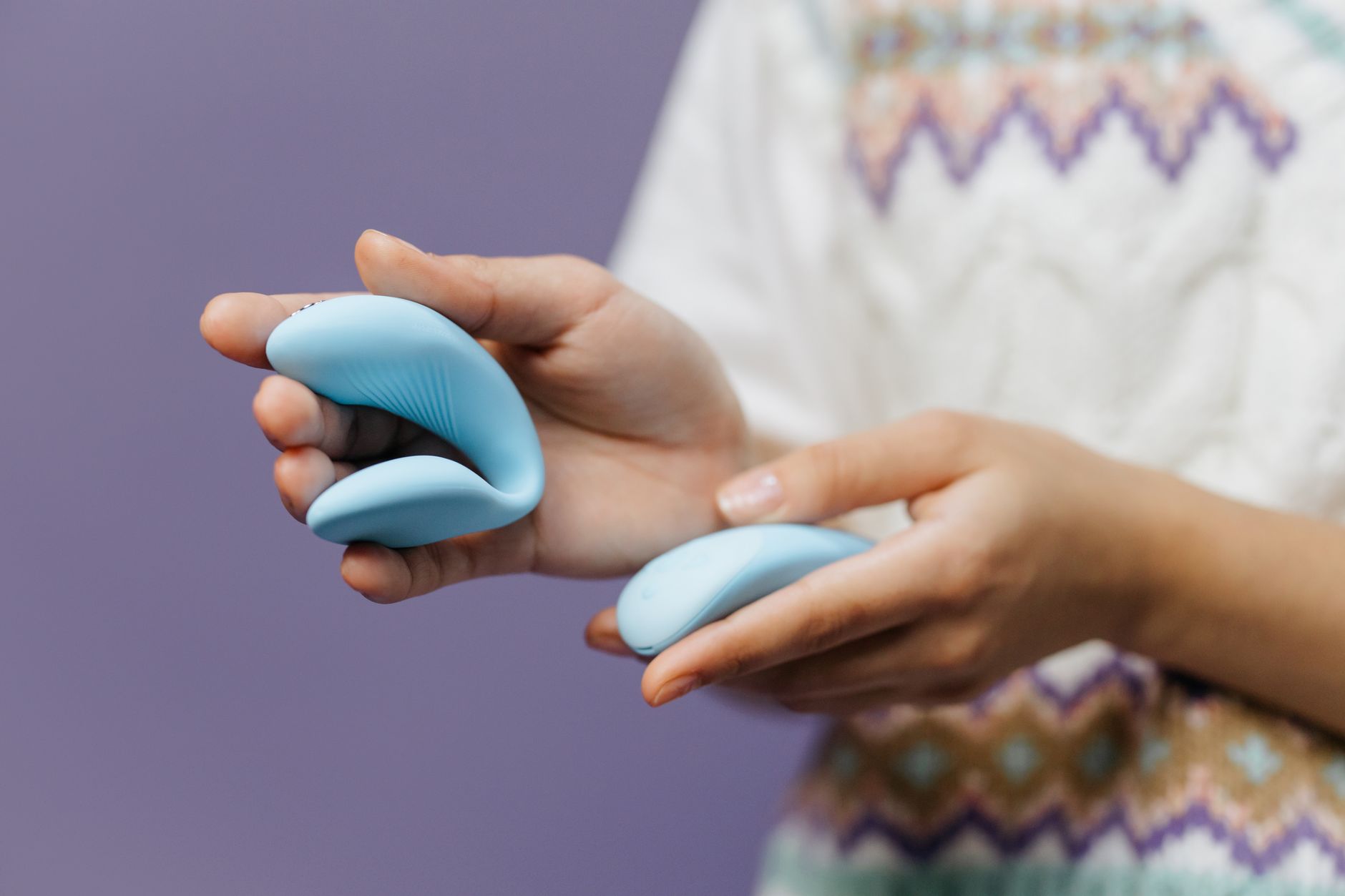
Photo by cottonbro studio on Pexels
The timeline: when to expect sensation shifts
Weeks 1-2: Usually no major change in sensation. Maybe arousal feels faster. Some people report a slight increase in genital sensitivity but nothing alarming.
Weeks 3-5: This is where things get weird. Direct clitoral stimulation often feels too intense. Old favorite vibrators might suddenly feel wrong. Some people describe it as sharp instead of pleasurable. This is peak frustration time, and when many people panic that testosterone isn't for them.
Weeks 6-10: Sensitivity starts to plateau. Sensation normalizes somewhat, but it's a new normal. Direct vibration might still feel overwhelming, but lemon vibrators tend to feel increasingly comfortable. The suction-based approach starts to feel intuitive rather than like a workaround.
Month 3 plus: Most people report that their body has adapted and they can return to their previous toys if they want, though many discover they prefer lemon vibrators now and stick with that approach.
The key: don't panic in weeks 3-5. That intensity isn't permanent. It's a sign the therapy is working, not a sign something's wrong.
How to actually use lemon vibrators during this transition
Start at the lowest setting, even if you're someone who usually goes straight to medium or high. Your nervous system is recalibrating, and more isn't better right now. More is just more.
Warmup matters more than usual. Spend 10-15 minutes on other types of touch before introducing the lemon vibrator. Fingers, a partner's hands, kissing, whatever usually works for you. Your nervous system is more reactive right now, so priming the pump makes the transition smoother.
Don't expect orgasm to feel the same. It won't. In the short term, orgasms during this transition often feel different. Sometimes more intense, sometimes weirdly muted, sometimes just unfamiliar. That's okay. You're not broken. Your body is learning. By month four, orgasms usually feel richer and more varied than they did pre-testosterone, but you have to survive the middle months first.
Use lubrication even if you're not used to needing it. Testosterone can shift lubrication patterns, and adding water-based lube means you're not fighting dryness while your nervous system is already overloaded with new signals.
When to talk to your doctor about sensation changes
Minor sensation shifts are normal and expected. Pain, numbness that doesn't improve by month three, or complete loss of arousal that persists past week eight is worth mentioning to your prescriber. Sometimes dose adjustment helps. Sometimes it's worth checking other factors (sleep, stress, medication interactions) that can amplify sensation weirdness.
Most doctors who prescribe testosterone will tell you upfront that sensation changes in the first 8-12 weeks are normal. If yours doesn't mention it, ask. This is important context for what you're about to experience.
The pleasure payoff after the adjustment
Here's what I consistently hear from people who make it through the testosterone transition: arousal is faster, orgasms feel different (usually better, sometimes just more varied), and the whole experience feels less like a performance and more like something your body just does for you now.
Many people discover that lemon vibrators become their preference even after sensation stabilizes because the suction-based approach just feels better on testosterone-amplified tissue. That's not settling for a transitional tool. That's discovering what actually works for your body now.
FAQ: Testosterone therapy and sensation
How quickly do sensation changes happen after starting testosterone?
Most people notice shifts by week three or four, though some notice changes within days. The intensity usually peaks around weeks 4-6, then starts to normalize. Everyone's timeline is slightly different depending on dose, body chemistry, and previous testosterone exposure.
Can I use my regular vibrator while adjusting to testosterone?
Yes, but you might find it uncomfortable. Many people report that direct vibration feels too intense during the adjustment period. If your regular vibrator has adjustable intensity, try the lowest setting and combine it with longer warmup time. Lemon vibrators tend to be more comfortable during this window because the suction distributes pressure differently than traditional vibration.
Does testosterone therapy permanently change sensation?
Not permanently, but yes, it shifts your baseline. Most people stabilize into a new normal by month three or four. Some report that sensation remains heightened compared to pre-testosterone, others say it's basically the same once adjusted. The key is that the hyperresponsiveness in weeks 3-5 is temporary.
Should I stop testosterone if sensation changes feel overwhelming?
No, not without talking to your doctor first. Sensation changes are an expected part of adjustment, not a sign that testosterone isn't right for you. That said, if you're experiencing pain or complete loss of arousal past week eight, that's worth discussing with your prescriber. Sometimes it's a dose question, sometimes it's something else entirely.
Can lemon vibrators help me figure out my new arousal pattern?
Absolutely. Because suction works differently than vibration, using a lemon vibrator during adjustment can actually help you map out what your new sensitivity looks like without the overwhelming intensity of direct stimulation. Many people use this exploration time to understand how testosterone has changed their arousal and what approach feels best going forward.
Is it normal to want different things sexually after starting testosterone?
Completely normal. Testosterone shifts not just physical sensation but also desire patterns, fantasy content, and communication style. Many people find that they want faster, more direct experiences, or conversely, that they want more variety. This is part of the rewiring. Give yourself permission to want something different now.
You're not supposed to figure this out alone
Lemon vibrators are a tool for navigating this transition, but so is honest conversation with your doctor and, if you have one, your partner. Most people who struggle during testosterone adjustment are struggling because they expected sensation to stay the same and were shocked when it didn't. Knowing it's coming, having the right tools, and giving yourself grace during the middle months makes this way easier.
Your body's rewiring. Lemon clitoral vibrators are built for exactly this kind of transition. Trust the process.