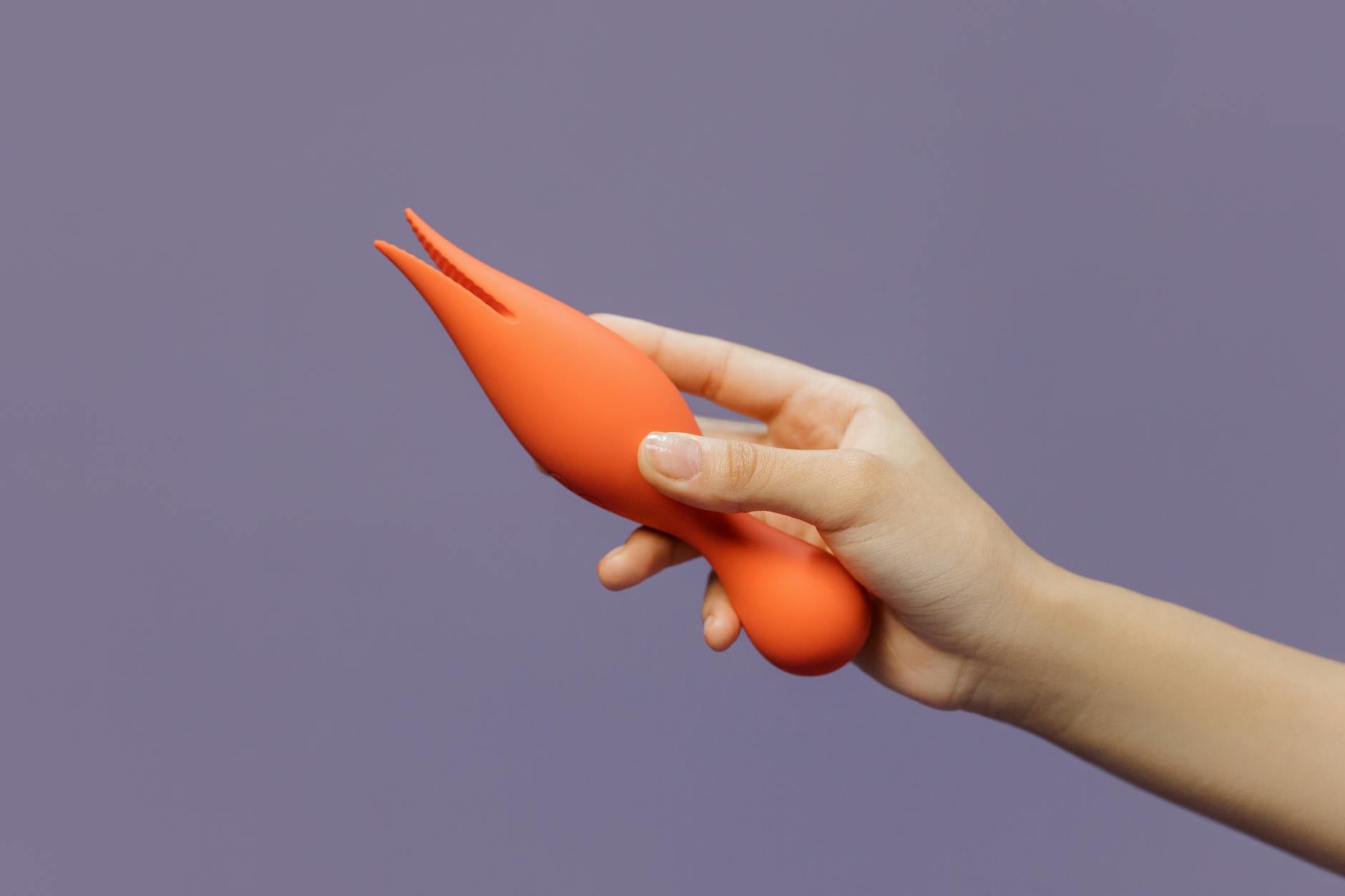
How Lemon Vibrators Help When Starting a New Relationship After Divorce
Divorce rewires more than your life schedule. It rewires your nervous system's relationship to touch, vulnerability, and pleasure. When you're stepping into a new relationship after the end of a long marriage, your body doesn't just reset. It carries memory.
Here's what actually happens when you try to be intimate after divorce, and why lemon vibrators become such useful tools during this particular transition.
The nervous system doesn't forget
After years of marriage, your body learned how to respond to one person. That person's touch, their rhythm, their particular way of building arousal. Then the relationship ends. Whether it ended with conflict, distance, or mutual agreement, your nervous system registers it as a rupture.
When you meet someone new, your body doesn't automatically shift into the old pattern. Sometimes it won't shift at all. You might feel present, attracted, emotionally ready. And then your body stays quiet. Or it responds slowly. Or the sensations feel muted compared to what you remember.
This isn't dysfunction. This is your nervous system being cautious. It's protecting you.
What changes after divorce
Three things happen simultaneously:
First, trust rebuilds slowly. Even if you trust your new partner intellectually, your nervous system doesn't know them yet. Trust isn't a decision. It's a felt sense that your body develops over time through repeated safety. That takes months, sometimes longer.
Second, shame often shows up uninvited. Divorce carries implicit shame for many people, regardless of who initiated it or why it ended. There's a quiet narrative that runs underneath new intimacy: "If I couldn't make the last relationship work, what's different now?" Your body hears that story and dampens arousal as a kind of protection.
Third, self-consciousness intensifies. After years with one person, you know how your body looks to them. They've seen you change. A new partner means starting from scratch with a body that's older, sometimes different, definitely carrying history. That vulnerability feels enormous.
None of this means you can't have great sex with your new partner. It means the pathway to pleasure is temporarily longer and requires different tools.
Why lemon vibrators specifically help here
Lemon suction toys like those from Lemon Vibrator Shop work differently than traditional vibrators. Instead of vibration alone, they use pulsing suction that mimics the sensation of oral sex. That distinction matters after divorce for a few specific reasons.
They don't require the same level of vulnerability. With a partner, you're managing their pleasure, their rhythm, their expectations. With a lemon suction toy, you're alone with your own body. You can explore what feels good without performing. You can take time. You can be slow or fast or completely still.
They short-circuit the nervous system's caution. Suction stimulation activates pleasure pathways that bypass some of the overthinking your brain is doing. You're not waiting for your body to trust your new partner. You're giving your nervous system direct proof that pleasure is still accessible to you. That's not a small thing.
They rebuild confidence in your own response. After divorce, many people worry they've lost their capacity for pleasure. They question whether their body still works the way it used to. A lemon vibrator, used solo, answers that question quickly and clearly. Your body still works. You still feel. That confirmation is powerful.
How to use a lemon suction toy during this transition
The practical part is simple, but the mindset shift matters more.
Start alone. This isn't forever. But before you try something with your new partner, give yourself space to reconnect with your own pleasure solo. Use your Lemon Clitoral Vibrator at whatever intensity feels right. No agenda. No timeline. This is you and your body rebuilding the conversation.
Notice what feels different. Your pleasure might be stronger, weaker, faster, or slower than it was in your marriage. None of those outcomes is wrong. They're just information about who you are now. Pay attention without judgment.
Then tell your partner. Not the clinical breakdown. Just the truth: "I'm rebuilding confidence in my body. I want to explore what feels good to me." That conversation, simple as it is, actually deepens trust more than silence does. You're being honest about your process. That's intimacy.
The conversation with your new partner
Introducing a toy into a new relationship carries different weight than it does in an established one. In a new relationship, it can feel like you're admitting something's wrong. You're not.
What you're actually saying is: "I want to give myself the best chance at pleasure with you, and that means I'm being intentional about reconnecting with my own body first."
Good partners recognize this for what it is. Maturity. Honesty. Actually increasing your odds of good sex together, not decreasing them.
If your new partner responds defensively to toys, that's information too. Not a dealbreaker necessarily, but something to notice about how they handle your agency and pleasure. Early relationships are when you're supposed to be evaluating fit.
Rebuilding desire, not forcing it
Desire doesn't come back on a schedule. After divorce, your libido might be lower for months. It might be higher. It might be sporadic, showing up strongly one day and barely flickering the next.
All of that is normal. Your body's been through something. It needs time to believe that vulnerability is safe again.
Where lemon vibrators help most is in that middle ground between "I don't feel anything" and "I feel ready for my partner." They're a bridge. A way to practice pleasure, explore arousal, and remind your nervous system that your body still knows how to feel good. That foundation makes everything that comes next easier.
When to involve your new partner
There's no rule here. Some people want to share toys from month one. Others wait a year. Neither timeline is wrong.
The real question is: do you feel safe? Not just intellectually safe, but embodied safe. Your nervous system will tell you. When you're using a lemon suction toy solo and the experience shifts from "therapy" to "pleasure," that's often when you're ready to introduce it with someone else. That's your body saying the ground is solid enough.
The long view
Divorce isn't the end of your sexual life. Plenty of people report that sex gets better after divorce, once they've rebuilt the foundation. You're older. You know yourself better. You're less likely to prioritize someone else's comfort over your own pleasure.
Lemon vibrators are just one tool for getting there. But they're a useful one, specifically during this window when you're renegotiating intimacy, rebuilding trust, and learning who you are on the other side of a major life rupture.
Your pleasure matters. Your body matters. Take the time to rebuild both.
Frequently asked questions
Can I use a lemon vibrator with my new partner right away?
Yes, if you both want to. But there's real value in exploring alone first. Solo use helps you understand what you like, which makes partnered use better. It also gives your nervous system time to build trust independently of someone else's presence. Start wherever feels right for you.
Will my new partner be threatened by me using a lemon suction toy?
Some partners will be. Some won't. A partner who feels threatened by your pleasure is showing you something important about how they handle your autonomy. That's useful information early. The right partner sees toys as an enhancement, not a threat. If your new partner can't get there, that might be worth exploring in conversation or with a therapist.
How long after divorce should I wait before trying to have good sex again?
There's no fixed timeline. Some people need months. Others are ready within weeks. The key isn't time passing. It's your nervous system settling enough to feel safe with vulnerability. A lemon vibrator can help you figure out when that moment arrives because it gives you a way to practice pleasure solo.
Is it normal to feel less sensation after divorce?
Completely normal. Trauma, stress, and nervous system dysregulation all dampen sensation. Add in the fact that your body's learned responses are tied to your ex, and muted sensation makes sense. It usually improves as you rebuild safety and create new sexual experiences with your new partner. Lemon vibrators can help accelerate that process.
Should I tell my new partner I'm using a toy to rebuild confidence?
Eventually, yes. Not on date three. But once you're talking about sex or moving toward more physical intimacy, honesty about your process helps. "I'm using this tool to reconnect with my own pleasure" is mature and grounded. Partners who respect you will appreciate the clarity.
What if I don't want to use toys at all?
Then don't. Toys are optional. Some people rebuild intimacy after divorce through partner sex alone, patience, and time. If that's your path, that's completely valid. Lemon vibrators are just one option among many for people who want additional support during the transition.