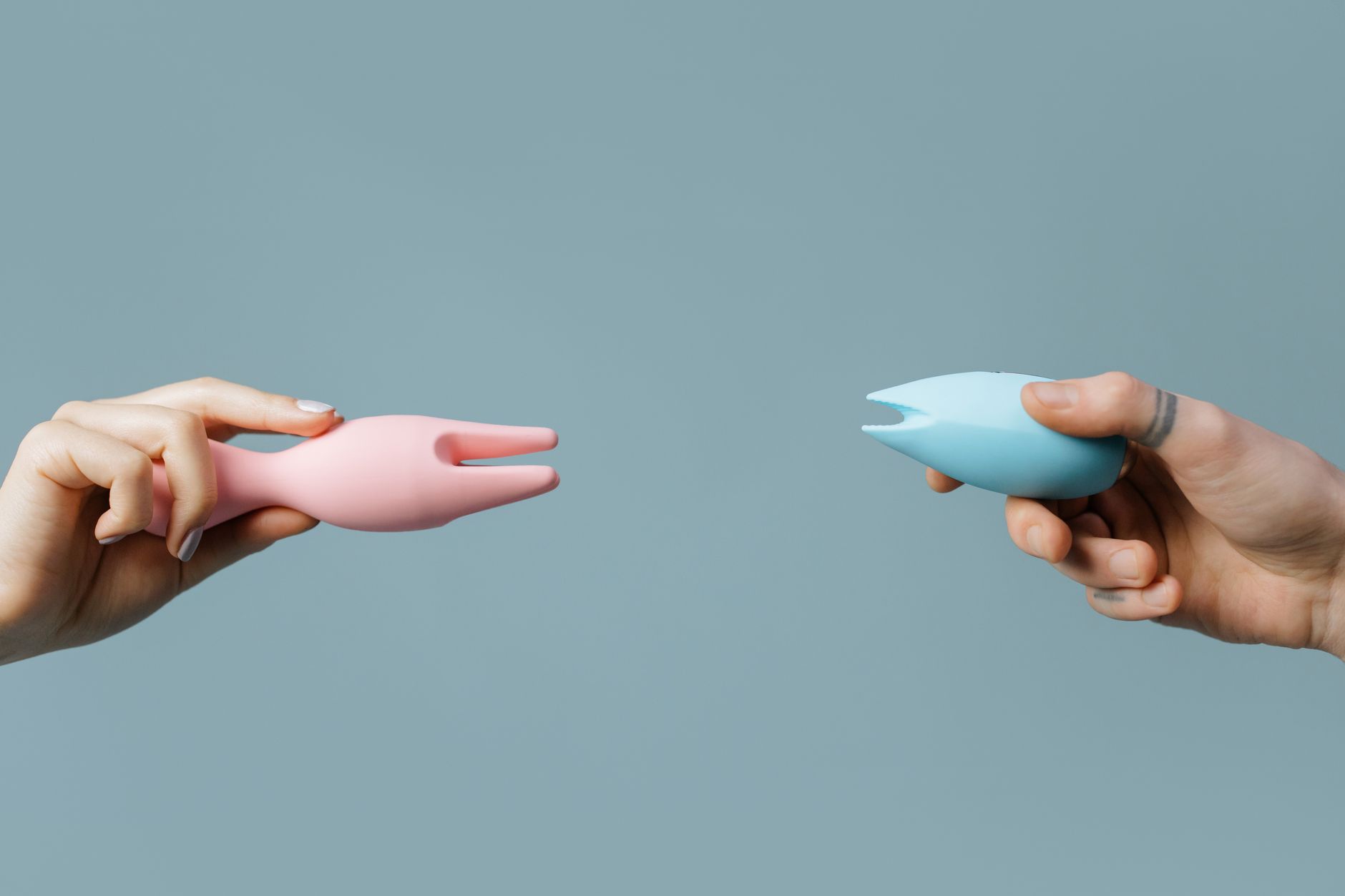
Here's the thing about long breaks from sex
Your body doesn't forget how to experience pleasure. But it does get rusty. Nerve endings don't atrophy, desire doesn't vanish permanently, and you're not broken. What actually happens is simpler and more fixable: your nervous system needs a gentle re-introduction to sensation, and your mind needs permission to trust the experience again.
Long breaks happen for real reasons. Grief. Medical recovery. Relationship transitions. Depression. The end of a marriage. Sometimes just life getting in the way for longer than expected. Whatever brought you here, the return doesn't have to be a production.
Why restarting feels different from you remember
Three things shift during a long absence from sex. First, the body's arousal response takes longer to activate. When you haven't experienced sexual stimulation in months or years, your nervous system is literally out of practice at recognizing and responding to those cues. This isn't dysfunction. It's just detraining.
Second, sensitivity changes. Nerves don't die, but if they haven't been stimulated in a while, the neural pathways that light them up need time to reactivate. You might feel less sensation initially, or sensation might feel different than you remember. That gap between expectation and experience can trip people up emotionally.
Third, the pelvic floor often tightens during long breaks. Chronic stress, grief, or just disuse causes muscles to contract and hold tension. Tight pelvic floor muscles can make penetration uncomfortable and make it harder to feel deep pleasure. This one's worth knowing because it's genuinely fixable, and recognizing it shifts the whole narrative from "something's wrong with me" to "ah, my muscles just need to relearn how to relax."
None of these are permanent. All of them improve fastest with consistent, gentle stimulation.
What lemon suction toys do that other vibrators don't
I recommend lemon clitoral vibrators specifically to clients restarting their sexual lives because they hit a very particular sweet spot. They're gentler than traditional bullet vibrators, more reliable than fingers alone, and they don't require the same kind of direct pressure that can feel too intense on tissues that haven't been stimulated in a while.
Here's the mechanics. A lem vibrator uses gentle suction and pulsing to stimulate the clitoral complex. That's different from the buzzing friction of a standard vibrator. Suction feels closer to oral sex without being identical. It distributes pressure across a wider area instead of concentrating it on one spot. For someone returning after a break, that difference matters because it reduces the chance of overstimulation or discomfort.
Lemon suction toys are also wildly forgiving if you're not sure what you want yet. You can start on the gentlest setting and let your body tell you what feels good. No performance pressure. No trying to match someone else's rhythm. Just sensation and feedback.
The practical timeline for restarting
I usually tell clients to budget about four to six weeks of consistent exploration before you expect everything to feel "normal" again. That doesn't mean four to six weeks until you have an orgasm. It means four to six weeks before your nervous system relaxes enough and your tissues reawaken enough that pleasure starts feeling familiar.
Week one and two are about reintroduction. Solo exploration, no partner expectations, and using a lemon clitoral vibrator on low settings for five to ten minutes, a few times a week. The goal isn't an orgasm. The goal is noticing sensation and letting your body remember what this feels like.
Weeks three and four, you might notice arousal building faster. Sensitivity improving. Maybe the first orgasm happens, maybe not. Both are fine. Stick with low to medium settings and don't rush.
By week five and six, most people find their rhythm returning. Arousal comes faster. Sensation feels more reliable. Orgasms might feel different than they used to, which is normal. Different doesn't mean worse.
When to bring a partner back in
If you're restarting with a partner, this conversation happens before you restart. You need to tell them what you're doing and why, and you need to agree that the first few weeks are exploration, not performance. Your pleasure is the goal, not proving to them that you're "fixed" or ready.
The best first step with a partner isn't sex yet. It's touching. Hands, no expectations, ten minutes. Then hands and a lemon suction toy. Then whatever feels right. A lot of couples I work with actually end up enjoying this phase because it removes the pressure that usually shapes their sexual life.
If pain shows up during this process, pause and talk to a doctor. Pain isn't part of the retraining. It's a signal something else needs attention, usually tight pelvic floor muscles or, rarely, something medical that needs treatment.
The emotional layer you can't skip
Here's what I see most often: someone restarts their sexual life physically, but they're still carrying whatever made them stop. Grief. Shame. Anger at a partner. Fear. The body can learn to respond again. The nervous system can reawaken. But if your mind is still holding the story that sex is scary or bad or something you don't deserve, the physical part will keep hitting a wall.
Lemon vibrators are a genuinely helpful tool. But they're not magic. The emotional work matters. If the break came from trauma or depression or relationship pain, it might be worth talking to a therapist before you restart. Not instead of restarting. Alongside it.
If the break was simpler (life got busy, you got out of the habit, circumstances changed), then a lemon clitoral vibrator and a little patience might be all you need.
What to actually do this week
If you're ready to restart, here's what I suggest. Get yourself a lemon suction toy. Something affordable that you're not nervous about. Set aside time when you're alone and not tired. Put the toy on the lowest setting and spend five minutes just noticing what you feel. No pressure for an orgasm. No timing yourself. Just sensation.
Repeat two or three times that week. Then see what your body tells you. Does it want more? Longer? A different pattern? Listen and adjust. That's the whole protocol.
The thing about restarting is that your body actually wants to wake up. You're not fighting biology here. You're just giving your nervous system a gentle reminder that pleasure is safe and available.
FAQ: Returning to Sex After a Long Break
How long after surgery should I wait before using a lemon vibrator?
That depends entirely on what surgery you had. After gynecological surgery or childbirth, wait until you've cleared it with your doctor, usually four to six weeks. After other surgeries, the timeline is different. The rule is simple: if penetration or direct stimulation would interfere with healing, wait. Once your doctor says you're cleared for sexual activity, a lemon clitoral vibrator on low settings is usually a safer way to restart than penetration because it's gentler and puts less strain on healing tissue. Talk to your doctor if you're uncertain.
Will a lemon vibrator feel normal if I haven't had sex in years?
No, probably not at first. Your body will need time to remember what sensation feels like and what arousal feels like. But that's okay. Different doesn't mean broken. A lot of people find that lemon suction vibrators feel even better than they remember, especially if the original break came from a relationship where pleasure wasn't prioritized. Give yourself four to six weeks of consistent, gentle exploration and your nervous system will recalibrate.
Is it normal to feel anxious when restarting?
Completely normal. Your nervous system is expecting something it hasn't experienced in a long time. That creates low-level anxiety, which creates tension, which makes sensation harder to feel. This feeds the anxiety. The way out is consistent, low-pressure exposure. A lemon clitoral vibrator on the gentlest setting, solo, for short sessions. Anxiety usually settles within two or three weeks of regular exploration.
Can my partner use a lemon vibrator on me if I'm nervous?
Yes, but you need to trust them and communicate clearly. Before you start, tell them you want to go slow, that you might feel anxious, and that you need them to check in with you. The safest version is having your partner on the lowest setting and you controlling the pace and pressure. Some couples find this actually rebuilds intimacy faster than trying to go straight to sex.
What if I still don't feel sensation after a few weeks?
That's worth investigating. It could be medication side effects, lingering depression, or genuinely tight pelvic floor muscles. It could also just mean you need more time. Try a few more weeks before you get concerned. If sensation still isn't improving after six weeks of consistent exploration, talk to a pelvic floor physical therapist or a gynecologist. They can rule out something physical and help you understand what's actually happening.
Should I feel guilty about needing a vibrator to restart?
No. You shouldn't feel guilty about using a vibrator for any reason. A lemon clitoral vibrator is a tool that happens to work really well for people restarting their sexual lives. Using a tool doesn't mean you're broken or dependent. It means you're being smart about how you return to something important.
You don't have to rush this
Returning to sex after a long break is one of those things that gets better the less pressure you put on it. Your body knows how to experience pleasure. Your nervous system remembers, even if your conscious mind isn't sure. A lemon suction toy, consistent gentle exploration, and patience can get you back to a place where sex feels good and available again. It doesn't have to look like it used to. It just has to feel right for you.
If you hit roadblocks or want to talk through what restarting looks like in your specific situation, reach out. That's what we're here for.