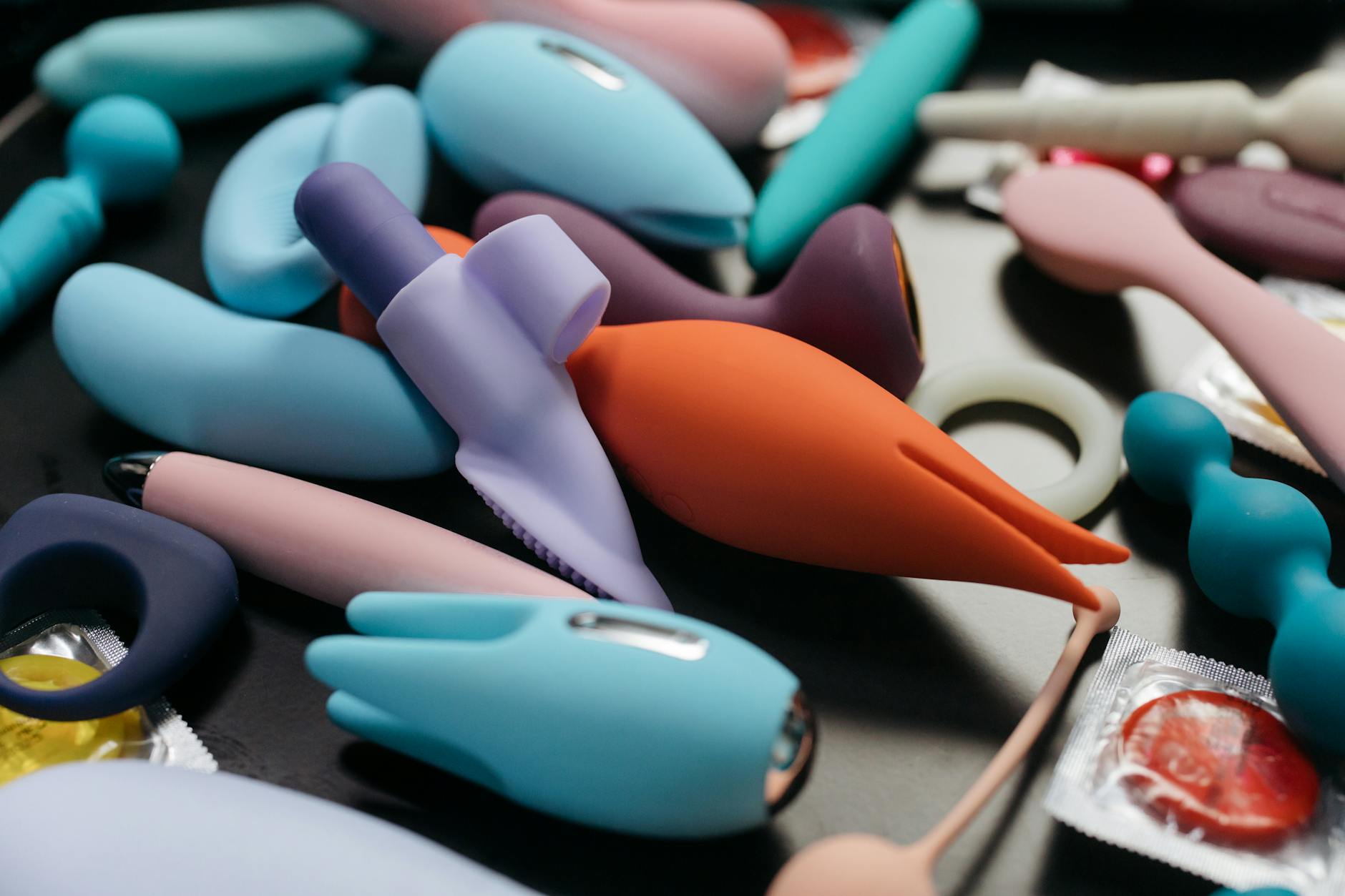
Let's be real about vibrators and partnered sex
Adding a clitoral vibrator to intercourse is one of the easiest ways to increase pleasure for partners with vulvas, yet it's weirdly wrapped in tension. Some people worry it's "cheating" or that their partner will feel inadequate. Others have no idea where to physically position a lemon vibrator like the Lem during actual penetration. The good news: this is not complicated, and it's not selfish. It's actually the most direct path to mutual pleasure.
Here's what I've learned from working with couples: the people who integrate vibrators into partnered sex have better communication, more frequent sex, and higher satisfaction across the board. It's not magic. It's just permission.
Why a clitoral vibrator changes the dynamic
Let me explain the anatomy first, because it matters. During vaginal intercourse, the penis or dildo is stimulating the vaginal entrance and internal walls. The clitoris is above that, mostly external. Penetration alone doesn't usually provide enough direct clitoral contact for people with vulvas to orgasm from penetration alone. Studies suggest roughly 25% of people with vulvas orgasm from penetration without additional clitoral stimulation.
Adding a lemon vibrator or clitoral suction toy during sex means you're addressing the nerve-dense tissue that actually responds. You're not replacing anything. You're completing the picture.
For the penetrating partner, a vibrator adds sensation too. The vibrations travel through tissue and change the feeling of tightness and movement. Many report it intensifies their own experience.
The positions that actually work
Not every position accommodates a vibrator equally. Here are the ones with real space for it.
Face-to-face positions (missionary, modified missionary, or face-to-face recumbent). The receiving partner holds or guides the vibrator against their own clitoris. This is the easiest entry point because they have full control of pressure and angle. A small, ergonomic toy like the Lem works beautifully here because it's designed to be held one-handed.
Cowgirl (or any receiving-partner-on-top position). The receiving partner has their hands free and can easily reach the vibrator. The penetrating partner's hands are also available. This is my top recommendation for beginners because there's zero friction or awkward angles.
Spooning or side-by-side. The penetrating partner can hold the vibrator and apply it while still moving inside. This position is intimate and works particularly well if one partner has mobility limitations or if you're going for slowness over intensity.
Doggy-style or rear-entry. The receiving partner can reach down and guide the vibrator, or the penetrating partner can hold it. There's good access, though it requires a bit more coordination. This position works best if both partners have used vibrators together before.
Positions that are harder: those where the receiving partner can't easily reach their own genitals and the penetrating partner's hands are already occupied (like certain restraint scenarios). If you love those positions, they're not off-limits, but they require more planning.
How to actually introduce the idea
This is where most couples get stuck, so let's handle it head-on.
You can't add a vibrator during sex without talking about it first. Full stop. The conversation doesn't need to be weird or formal. Try: "I've been thinking about trying a vibrator during sex. Not instead of you, with you. Would you be into that?" That's it. You don't need to apologize or qualify it.
If your partner says no, ask why. Is it a technical concern (where would it fit, wouldn't it be uncomfortable)? A confidence thing? A misunderstanding about what vibrators are for? Those are all solvable.
If your partner says yes but seems hesitant, you could propose a test run outside of sex. Use the vibrator on yourself while they watch. Use it together on them. There's no rule that says your first vibrator experience has to happen mid-penetration. Building comfort takes a few minutes, not a few months.
The practical stuff nobody mentions
Here's what actually matters once you've decided to try it.
Battery timing. Check the charge beforehand. A dead vibrator mid-session kills the mood faster than anything. The Lem holds a charge well, but it's worth verifying. If you're someone who tends to leave things uncharged, charge it the night before.
Lubrication on the toy. Use water-based lube on the vibrator itself. This reduces friction against skin and increases glide. It also makes it easier to reposition during sex without it pulling or feeling raw.
Start before penetration begins. Use the vibrator to warm up and bring your partner close to the edge before they enter you. This usually means they'll last longer during penetration because you're already partway there. It also reduces the pressure on the penetrating partner to be "enough."
Keep one hand free. Don't grip the vibrator so tightly that you can't adjust angle, pressure, or position. You'll want to move it slightly as sensations change. A tool that's held lightly is a tool you can actually use.
Have a water bottle nearby. You might need to stop and sip. Vibrators feel good, but they're also slightly dehydrating on mucous membranes. A small pause for water is fine and normal.
The intensity conversation
This is separate from the "should we use a vibrator" conversation, but it often comes up during one.
Clitoral vibrators vary wildly in intensity. Some are whisper-quiet and gentle. Others are basically jackhammers. The Lem uses air-suction technology rather than traditional vibration, which creates a different kind of stimulation altogether. If you're new to vibrators, starting with something lower-intensity helps you find what you actually like rather than what you think you should like.
During sex, you might find that the pattern that felt perfect when you were alone now feels too strong or too soft. This is because context changes sensation. Arousal level is different. You're focused on two simultaneous things instead of one. Adjust the intensity down from your "solo" setting and work up from there.
What happens after it's over
Clean the vibrator with warm water and a gentle cleanser or toy cleaner. Dry it fully before putting it away. Store it in a cool, dry place, ideally in a bag or case so dust doesn't accumulate.
If either partner felt awkward during sex, don't let it sit. Process it. "That felt good for me physically, but I noticed you seemed uncomfortable." Or: "I loved that. I want to do it again." Feedback after sex is how couples get better at sex together.
You might also find that using a vibrator together opens conversations about pleasure more broadly. What did you like? What didn't feel good? Do you want to try a different pattern next time? These conversations are relationship maintenance, not just sex talk.
FAQ: Vibrators and partnered sex
Will using a vibrator during sex desensitize my clitoris over time?
No. This is one of the most durable myths about vibrators. Your clitoris has around 8,000 nerve endings. A vibrator doesn't permanently change those nerves. What can happen is that your body gets used to a particular sensation if you use the exact same vibrator the exact same way every single time. The fix is simple: vary your approach. Use different patterns. Different toys. Solo and partnered. Your sensitivity will stay right where it is.
Can I use a vibrator if I have a partner who has erectile dysfunction?
Absolutely. In fact, adding vibrator stimulation often takes pressure off the penetrating partner, which can actually help with erectile function. When both partners feel less focused on "performance," everyone relaxes. And if penetration isn't happening that day, a vibrator lets you both have good sex anyway. This is one of the reasons integrating toys into a relationship often improves intimacy across the board.
What if my partner wants to use the vibrator on me but it hurts or feels too intense?
Stop and communicate. Your partner probably doesn't realize the intensity is uncomfortable. Ask them to start on a lower pattern and let them know you'll guide them on pressure. If it still hurts, see a healthcare provider. Pain during sexual contact isn't normal and usually has a fixable cause. Read more about this in our guide on why a lemon vibrator might hurt during use.
Is it normal to prefer the vibrator to partnered sex sometimes?
Yes. Completely normal. Solo sex with a vibrator is often more efficient, more precisely angled, and more predictable than partnered sex. That doesn't mean partnered sex is worse. It's different. Both have value. If you find yourself always choosing solo vibrator sex and avoiding partnered sex, that's a signal to talk to your partner about what's missing in the partnered experience. Often it's not about the vibrator at all.
How do I bring this up if we've been together for years and never used toys?
Don't lead with the vibrator. Lead with desire. "I want to try something new with you." "I've been thinking about ways to make sex even better." "I read something that made me curious." You're not suggesting they're failing you. You're suggesting you want to expand together. That frame changes everything.
What if my partner is worried a vibrator means I want to replace them?
This anxiety is real and it's worth taking seriously. You might say: "I love sex with you. A vibrator adds something, it doesn't replace you. It's like the difference between a massage and being hugged. Both feel good. They're different." If they're still anxious after a genuine conversation, couples therapy can help. A good therapist can untangle whether this is about the vibrator or about deeper insecurity.
The real point
Adding a lemon clitoral vibrator to partnered sex is one of the fastest ways to increase pleasure and communication for couples. It requires honesty, a bit of physical problem-solving, and permission to prioritize what actually feels good instead of what you think sex is supposed to look like. You have that permission. Your pleasure matters. Their pleasure matters. A vibrator is just a tool that helps you both get there.
Want to explore this more? Learn the basics in our beginner's guide to lemon vibrators or check out our partner guide for more relationship-focused strategies.