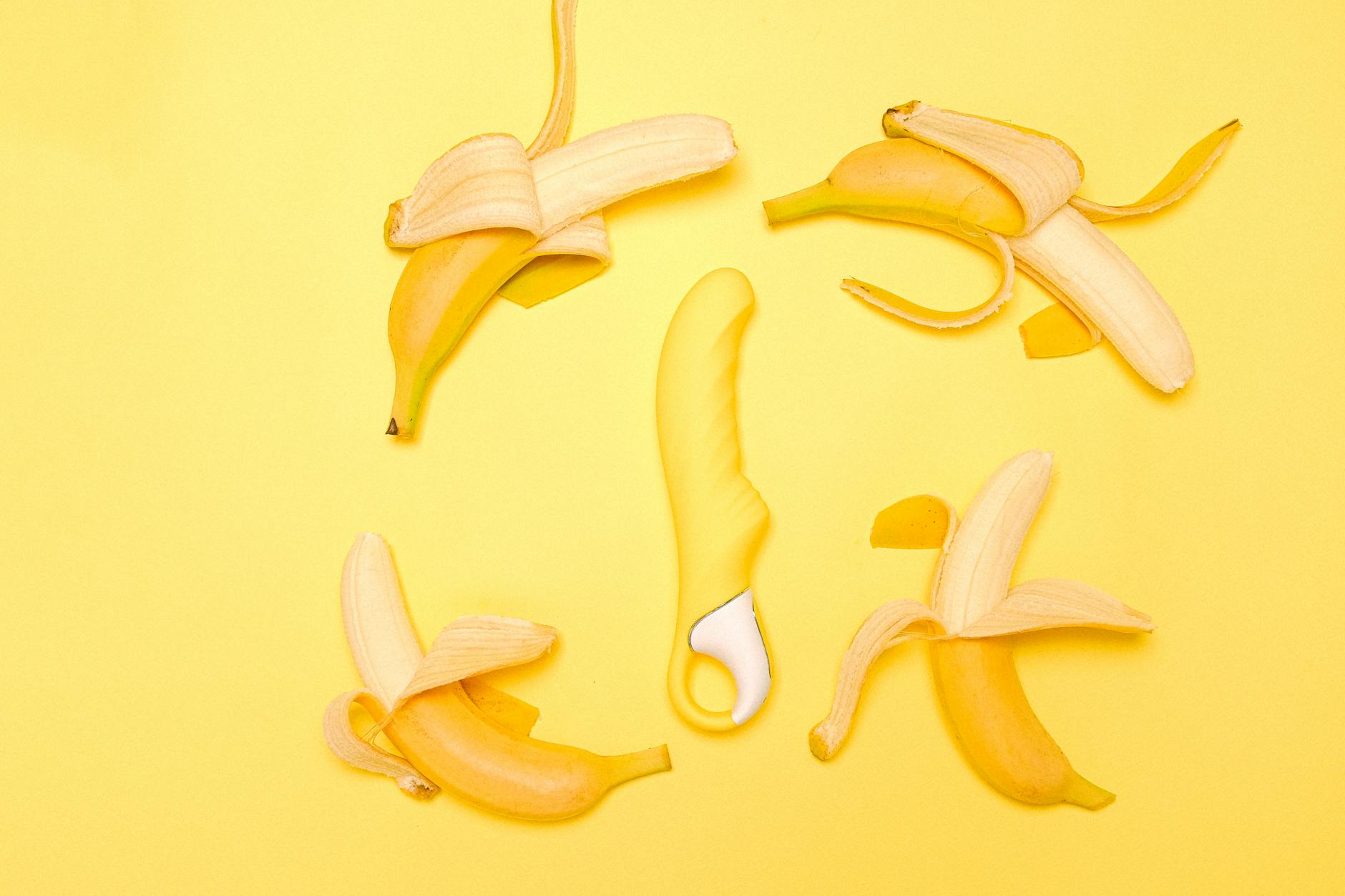
How to Use Lemon Vibrators for Better Orgasms After a Long-Term Relationship Ends
Here's what nobody tells you about pleasure after a breakup or divorce. Your body doesn't forget how to orgasm. What often disappears is permission. The space to want something just for you. The absence of someone else's rhythm, preference, or timing in your head.
That silence is actually fertile ground. And lemon vibrators, especially air-suction clitoral vibrators, are built exactly for this reclamation moment. Not because you're broken. Because you're finally learning what turns you on when the answer only has to satisfy one person: you.
Why orgasms feel different after a long-term relationship ends
When you've spent years or decades calibrating your pleasure around a partner's arousal, presence, or feedback, your nervous system gets trained into a particular pattern. You learn to read their cues instead of your own. You time your response to theirs. Sometimes you skip your own response altogether.
Then the relationship ends. And suddenly, the person who was supposed to be paying attention to you isn't there anymore. For weeks, maybe months, that absence can feel like proof that you can't have pleasure alone. That you need external validation to make it real.
This is where lemon clitoral vibrators change the conversation. They work because they're consistent, intense, and entirely under your control. You're not waiting for someone to notice you're ready. You're not managing their ego or their pace. You're just following what feels good.
Many people report their most intense orgasms happen in this phase, because there's zero performance pressure. Your brain isn't calculating optics or considering someone else's experience. It's just focused on sensation.
The physical reset that happens solo
After a long relationship, your pelvic floor often carries tension you didn't know was there. The clitoris itself can feel slightly numb or oversensitive, depending on what sex looked like in the partnership. Some people report a muted response. Others find their sensitivity has actually sharpened, because they're finally paying attention to their own body instead of monitoring a partner's reaction.
Lemon sexual toys, particularly suction-style vibrators, help reset this in two ways.
First, they provide consistent, graduated stimulation. You can start at low intensity and work upward. This trains your nervous system that arousal is safe and manageable, not something that has to happen on someone else's timeline.
Second, they create a feedback loop between your brain and body that's been missing. You press the button. You feel the sensation. You adjust. You feel different. You adjust again. This basic cycle of agency and response is deeply grounding, especially if the relationship you just left involved your pleasure getting deprioritized.
The clitoris has 8,000 nerve endings. Air-suction lemon vibrators stimulate them without the direct friction of traditional vibrators, which many people find gentler and more sustainable during this sensitive rebuild phase.
Starting: permission and pacing
The hardest part of using lemon vibrators after breakup isn't technique. It's the internal permission to enjoy something for yourself without explaining it away, minimizing it, or feeling guilty.
Three practices that help:
Set a time that's actually yours. Not sandwiched between other tasks. Not when you're half-present. Pick a 20-minute window and protect it like you'd protect an appointment with a therapist. Because that's kind of what it is. A conversation with your own body.
Start clothed or with barriers. Some people find it easier to ease into sensation through underwear or a layer of fabric. This isn't about shame. It's about controlling the intensity while your nervous system reacclimates. You can move the barrier as you feel ready.
Expect the first few times to feel a little weird. Not bad. Weird. You might feel self-conscious. Your mind might wander. That's completely normal. Your brain is relearning that pleasure doesn't need an audience to be valid.
Building sensation: patterns that work
Lemon clitoral vibrators typically have multiple settings, from gentle pulse patterns to intense steady suction. Here's how I recommend starting:
Weeks one through three. Use settings one through three. Start at the lowest intensity. The goal isn't orgasm. The goal is familiarity. You're teaching your body that this sensation is safe and repeatable. Spend five to ten minutes just exploring what each setting feels like. Notice where you like the vibrator positioned. Does the side of the clitoris feel better than direct pressure? Does steady suction work better than pulsing? These observations matter.
Weeks four through six. Move to mid-range settings (usually four through six on lemon adult toys). Now you're looking for what builds arousal. Spend longer on this phase. You're learning the shape of your own response, which is wildly different from someone else's timeline.
After six weeks. If you want to explore the highest settings, you have baseline data about what your body needs. Some people never use the high settings. Some use them regularly. There's no correct answer. You're just gathering information about your own pleasure.
This timeline isn't rigid. If you need more time in phase one, stay there. The point is gradual recalibration, not rushing to results.
Solo orgasms versus partnered orgasms: they're different
One thing I hear from people rebuilding after a long relationship: "I can orgasm alone now, but it feels less intense than with a partner." Then they feel disappointed, like they're missing something.
You're not. You're just experiencing a different pleasure. Partnered orgasms are often shaped by external stimulation, timing, and feedback. Solo orgasms using a lemon vibrator are shaped by your own attention, which can feel more subtle but often runs deeper.
Many people describe solo orgasms as more focused, more controllable, and more directly connected to what their body actually wants. Some report multiple waves. Others find the sensation lingers longer. These aren't lesser orgasms. They're just yours.
The intensity question usually resolves itself over time, as your confidence builds and your nervous system fully trusts that this is safe. Intensity often follows permission.
Managing the weird feelings that show up
Using lemon vibrators alone after a breakup can surface emotions you weren't expecting. Sometimes pleasure triggers grief. Sometimes it triggers anger. Sometimes it just feels strange to be this focused on yourself after years of not being.
All of that is normal. Your nervous system is recalibrating. Your brain is literally rewiring which signals mean safety and pleasure. That's profound work, and it doesn't always feel comfortable.
If you find yourself crying mid-session or feeling disconnected, pause. Take a breath. You're not doing anything wrong. You're just learning something new about yourself. <a href="/blog/how-lemon-vibrators-help-when-youre-grieving">Grief and pleasure often show up together during transitions like this</a>, and there's no timeline for processing that.
If orgasms feel distant or impossible after weeks of consistent use, that's also worth noting. <a href="/blog/why-lemon-vibrators-take-longer-when-youre-stressed">Stress, depression, and unprocessed relationship trauma can absolutely affect your capacity for pleasure</a>, and that's not a body problem. That's a nervous system asking for something bigger than a vibrator can provide.
The confidence piece: what actually changes
The most significant shift I see with people using lemon clitoral vibrators during this phase isn't necessarily more powerful orgasms. It's ownership.
You learn that your pleasure is real and accessible without needing external validation. You learn what your body actually wants. You learn that sexual pleasure is a skill you can practice and refine on your own terms. You learn that being alone doesn't mean being lonely, especially in this context.
Those shifts take you into whatever comes next (whether that's future partnership or solo living) with a completely different foundation. You know what you want. You know your body answers when you ask it. You know you're not broken.
That's worth showing up for.
FAQ: Common questions about lemon vibrators after breakup
How long until orgasms feel "normal" again after a long relationship?
There's no fixed timeline. Most people notice significant shifts in comfort and sensation within four to six weeks of consistent use. Others take longer. The word "normal" is tricky here because orgasms after a long relationship often feel different, not worse. You're learning a new pattern, not returning to an old one. Patient self-observation matters more than speed.
Should I use a lemon vibrator right after the breakup or wait until I've processed the relationship?
There's no "right" time. Some people feel ready immediately. Others need weeks or months of space. A good question to ask yourself: am I reaching for this because I genuinely want to explore my own pleasure, or am I using it to avoid feeling something else? If it's the former, start whenever you want. If it's the latter, that might be worth sitting with first. The vibrator will still be there.
Can lemon vibrators help if I'm worried I've lost my ability to orgasm permanently?
Almost always, yes. Orgasm capacity doesn't disappear from breakup alone. What disappears is usually a combination of confidence, arousal, and permission. Lemon clitoral vibrators address all three. The suction mechanism in particular tends to work for people who feel disconnected from traditional vibration patterns. That said, if you've spent months without orgasm and feel completely numb, talking to a therapist might be valuable alongside the vibrator practice.
Is it weird that I prefer solo pleasure with my lemon vibrator to partnered sex right now?
Completely normal. You're learning yourself outside the context of someone else's presence. That's valuable work. Some people stay in this phase for a while before they're interested in partnered sex again. Others find that reclaiming solo pleasure actually improves partnered sex when they're ready for it, because they know what they want. Neither path is wrong.
What if orgasms feel weaker or less consistent with a lemon vibrator than they did with my ex?
That usually shifts with time and practice. In the early phase, you're rebuilding neural pathways, and that can feel clumsy compared to something that's deeply grooved from years of repetition. Keep showing up. Experiment with different settings, angles, and environments. Most people find their response deepens significantly after six weeks of consistent use.
Should I feel ashamed about focusing this much energy on solo pleasure after a breakup?
No. This is self-care work. It's nervous system healing. It's pleasure reclamation. It's the antidote to spending years managing someone else's sexual experience. Prioritizing this phase is one of the best things you can do for your own resilience and future relationships.
You deserve this
Breakups and divorces disrupt everything, including pleasure. That disruption feels permanent until you actually rebuild it on your own terms. Lemon vibrators, especially air-suction clitoral toys, provide a reliable way to practice that reclamation.
You're not learning to orgasm for the first time. You're learning what it feels like to pursue pleasure for yourself, without audience, without timeline, without anyone else's rhythm. That's profoundly different, and profoundly valuable.
The person you're rebuilding pleasure with is yourself. That relationship deserves as much attention as any other.
If you have questions about how lemon sexual toys work or need support thinking through your next steps, <a href="/contact">reach out anytime</a>. We're here.