Let's name the thing nobody says out loud
Desire mismatch is one of the most common reasons couples stop having sex altogether. Not because they don't love each other. Because the gap between wanting sex and not wanting it creates a dynamic where both people feel wrong. The higher-desire partner feels rejected. The lower-desire partner feels pressured. Nothing kills arousal faster than obligation.
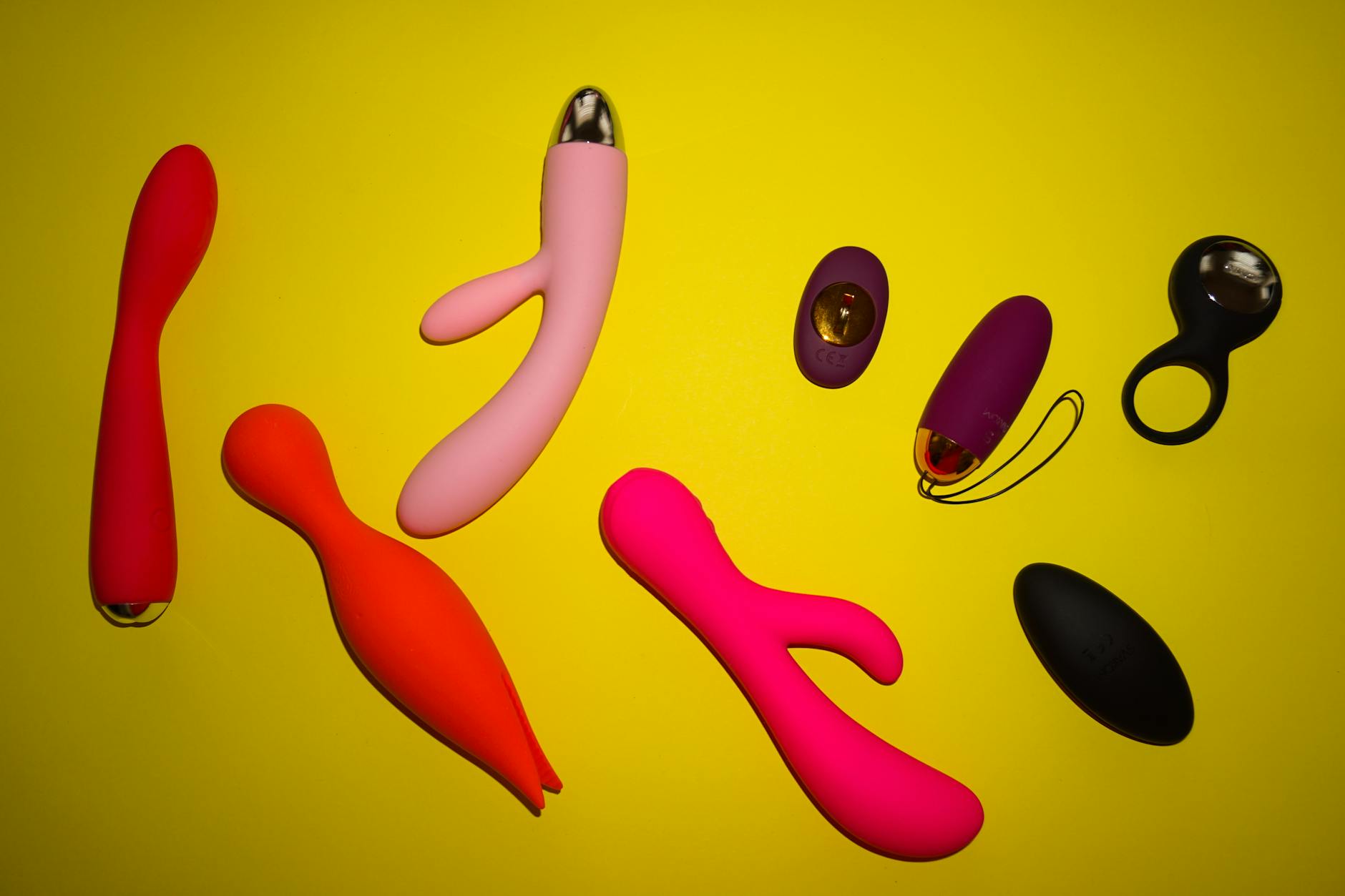
Here's what I've learned working with hundreds of couples: lemon clitoral vibrators like the Lem aren't just about solo pleasure. They're a practical tool for navigating desire differences without turning sex into a problem that needs solving.
Why desire mismatch happens (and it's not what you think)
Most people assume libido differences are hardwired. Person A is just hornier. But that's almost never the full picture. Desire changes based on stress, sleep, how connected you feel to your partner, whether you're touched out from kids, how much mental load you're carrying, and yes, sometimes hormones.
The real problem isn't the difference. It's what couples do with it. The higher-desire partner tries harder. This feels like pressure. The lower-desire partner withdraws. This feels like rejection. Both interpretations make sense. Both are partly true. But together they create a spiral where sex stops happening because the emotional friction is too thick to push through.
Lemon vibrators change this dynamic because they reframe what sex can be. It's not always a partnered event. It doesn't always need to take an hour. And crucially, it doesn't require both people to want the same thing at the same time.
The mismatch map: where your relationship probably sits
Think about your rhythm. Is one of you ready to go but the other needs 45 minutes of foreplay to even consider it? Are you scheduling sex to make it fair, but it feels mechanical? Does the person wanting more feel abandoned? Does the person wanting less feel hunted?
Clitoral vibrators help because they collapse that friction. If you're the higher-desire partner, using the Lem solo doesn't mean rejection. It means you're taking care of your own pleasure without making your partner responsible for it. If you're the lower-desire partner, watching your partner use a vibrator can actually build arousal in a way partnered pressure doesn't.
I've had clients report that introducing vibrators into their mismatch conversation actually got them talking about desire for the first time. Not negotiating. Talking. That's the shift.
How to actually use lemon vibrators to close the gap
There are three practical angles here.
Solo use as foreplay expansion
If one partner wants sex and the other doesn't, solo vibrator time can be middle ground. The higher-desire partner gets to experience pleasure. The lower-desire partner gets control over their own timeline. And sometimes, watching your partner enjoy themselves actually shifts the lower-desire person into arousal. Not always. But often enough that it's worth testing.
Start by using the Lem in the same room while your partner reads or watches TV. No performance. No pressure. Just you, your vibrator, and permission to enjoy yourself. Many partners find that this removes the pressure to reciprocate. You're not asking them to do anything. You're showing them what pleasure looks like without obligation.
Quickie protocols that actually feel good
Desire mismatch often means one partner is ready in five minutes and the other needs twenty. The Lem collapses this gap because it gets you to orgasm faster without sacrificing quality. If your partner is willing but not enthusiastic, a clitoral vibrator means they don't have to do as much manual work. You're meeting them halfway. You both get to come. Nobody feels like they're performing.
This isn't settling. It's realistic. Not every sexual encounter needs to be a production. Some can be efficient and still satisfying.
The conversation starter
Before you use a Lemon vibrator together, talk. Not about whose fault the mismatch is. About what pleasure actually looks like for each of you. Does the higher-desire partner want more frequency or more intensity? Does the lower-desire partner want more comfort or different kinds of touch? A clitoral vibrator is not a solution if you haven't named what the problem actually is.
I often recommend couples sit down and say: "I want to try using a Lem together. Here's what I'm hoping: that we can both feel okay about our differences without one of us feeling bad." That framing matters. You're not trying to fix your partner. You're trying to fix the dynamic.
When vibrators help and when they won't
Lemon vibrators are powerful tools, but they're not magical. If the lower-desire partner genuinely has no interest in sex and that's causing them distress, vibrators might not help. That's a conversation for a therapist or doctor. Hormonal changes, medication side effects, or trauma can all suppress desire in ways that pleasure tools can't address alone.
But if the mismatch is about mechanics, timing, or pressure, the Lem can genuinely change things. I've had clients say that using a lemon clitoral vibrator together shifted their entire dynamic around desire. Not because vibrators are magic. Because they removed the assumption that both people need to want the same thing at the same time.
The tricky part: managing expectations
You might use a Lem and find that your partner still doesn't want sex. That's okay. That's data. The goal isn't to force desire. The goal is to remove shame and obligation around different rhythms.
Some couples find that opening up to solo pleasure actually increases partnered sex because the pressure evaporates. Others find they're comfortable with a hybrid life where sometimes sex is solo and sometimes it's together. Both are valid.
What usually doesn't work is pretending the mismatch doesn't exist or trying to logic your partner into wanting sex more. That road leads to resentment. Lemon vibrators give you a different path. One where your pleasure belongs to you and your partner's pleasure belongs to them.
The real shift: separating your pleasure from theirs
Here's what I want you to hear. Your desire is not their responsibility. Their desire is not your responsibility. What you share is a willingness to keep showing up for each other. That might look like using a Lem together. It might look like you using one solo while they're nearby. It might look like scheduling sex because you both value it even if you don't crave it the same way.
The couples who navigate desire mismatch best are the ones who stop treating it like a problem and start treating it like a fact. One of you wants sex more often. That's true. The other wants it less often. That's also true. And the Lem creates space for both truths to exist without either of you feeling bad.
FAQs: navigating desire mismatch with lemon clitoral vibrators
What if my partner feels threatened by me using a vibrator?
That reaction usually isn't about the vibrator. It's about what the vibrator represents. Fear that you don't need them. Fear that you prefer it to them. Have that conversation directly. A clitoral vibrator isn't a replacement for partnership. It's a tool for your own pleasure. If your partner is open to listening, that distinction matters.
Can using a Lem together actually rebuild desire if it's completely gone?
Clitoral vibrators can help if the mismatch is about mechanics, frequency, or pressure dynamics. But if desire has genuinely flatlined, that usually signals something deeper. Stress, relationship disconnection, medication side effects, or burnout. A vibrator might help along the way, but you probably need conversation first.
Should we schedule sex if we have a desire mismatch?
Scheduled sex gets a bad reputation, but I recommend it to mismatched couples all the time. Here's why: it removes ambiguity. The lower-desire partner knows when sex is happening and can prepare mentally. The higher-desire partner knows they're not going to be rejected randomly. And a lemon vibrator means the scheduled sex can be efficient without being unsatisfying.
Is it healthy for one partner to use a Lem regularly while the other rarely wants sex?
Yes. Especially if you're both okay with it. What matters is honesty. If the higher-desire partner is secretly resentful, that's a problem. If the lower-desire partner feels guilty or inadequate, that's a problem. But if you both agree that this works for your dynamic, it's not just healthy. It's mature.
What if we use a Lem together and nothing changes?
Then you've learned something important: the vibrator wasn't the blocker. The real issue is probably emotional distance, unresolved conflict, or misaligned values around sex. That's not a Lem problem. That's a relationship problem. It might be time to talk to a couples therapist. A good one won't judge your desire differences. They'll help you navigate them.
How do we talk about desire differences without it feeling like blame?
Start from curiosity instead of criticism. Instead of "You never want sex," try "I notice our rhythms are different. I want to understand what that's about." Instead of "You always want sex," try "I see that this matters to you. Help me understand why." Use "I" statements. Listen without defending. And consider that using a lemon clitoral vibrator together might actually make this conversation easier because it shifts the focus from what's wrong to what could work.
The real bottom line
Desire mismatch is one of the most common relationship stressors I see, and it doesn't have to be a dealbreaker. Lemon vibrators don't solve it by making desire match. They solve it by removing the requirement that desire match. You can both be okay. Both satisfied. Both valued. Not by wanting the same thing. By respecting that you want different things and building a sexual life that honors both of those truths.
The Lem is just a tool. The real work is the conversation. But sometimes a good tool makes the conversation easier to have.
If you're navigating desire mismatch and feeling stuck, reach out. A relationship coach or therapist who understands how common this is can help you move forward without shame. You don't have to keep letting this be the thing that divides you. You can actually build something better. Worth exploring at <a href="/contact">contact</a>. We're here to help.