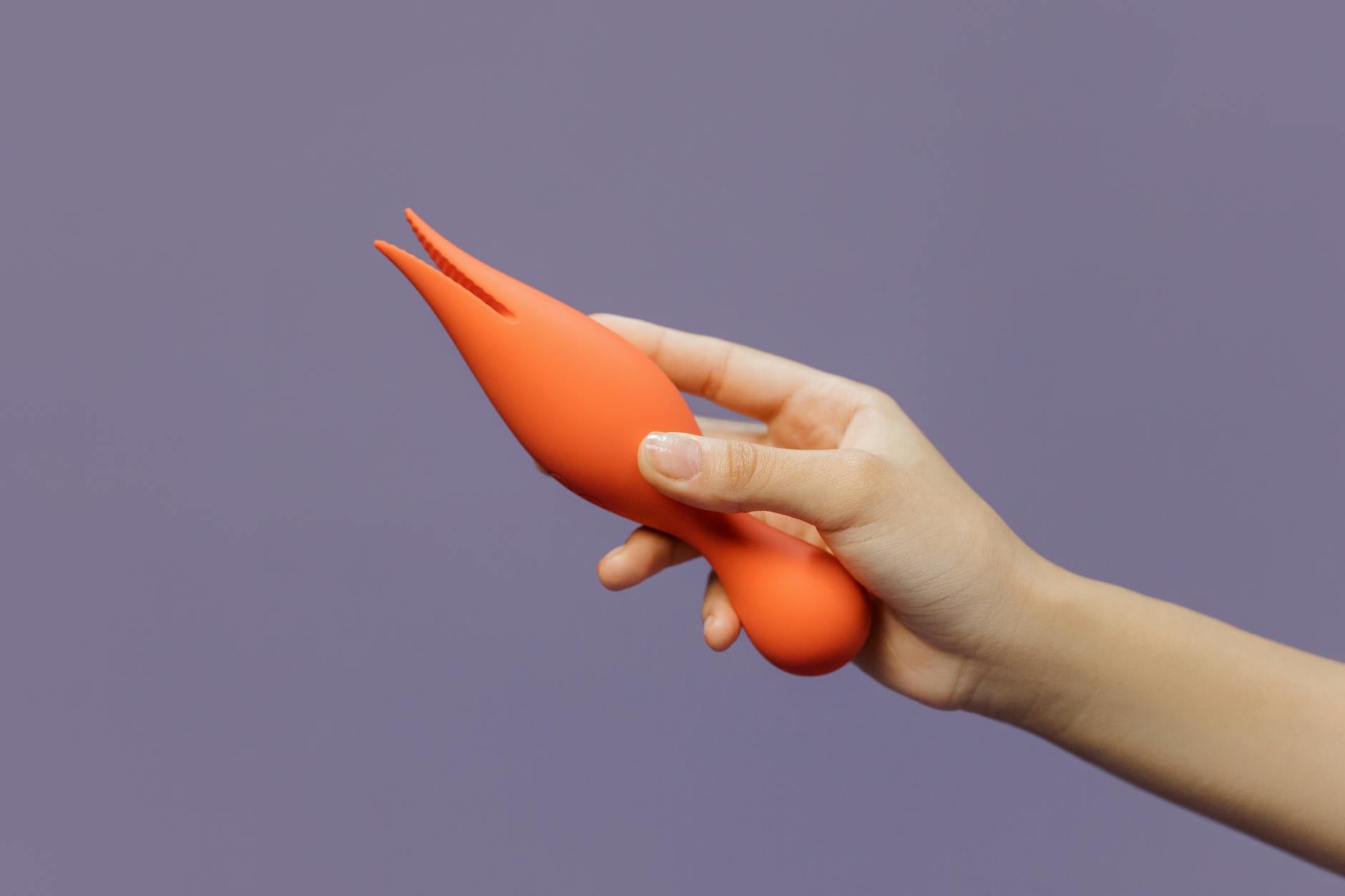
How to Use Lemon Vibrators When Rediscovering Intimacy After Relationship Conflict
Let's be real. After you've had a proper row with your partner, the last thing either of you feels like doing is jumping into bed. The tension sits there. You're both a little guarded, a little stiff in the shoulders, and the thought of being vulnerable enough for sex feels miles away.
This is normal. What's less normal is knowing what to actually do about it.
Here's the thing: physical reconnection after conflict is not the same as makeup sex. One is impulsive and often still angry. The other is intentional, grounded, and rebuilds something real. Lemon vibrators, because they invite slowness and sensation over performance, can actually guide you back into your body together.
Why physical touch matters after a fight
When couples have significant conflict, the nervous system gets dysregulated. You're both in fight-or-flight mode. The amygdala (your threat-detection center) is lit up. Casual physical touch gets misinterpreted as intrusion. Sex feels impossible because vulnerability requires a calm nervous system.
But here's what's counterintuitive: deliberate, gentle physical pleasure actually downregulates that threat response. It tells your brain you're safe with this person again. When you use a lemon clitoral vibrator together after conflict, you're not bypassing the argument. You're literally rewiring your nervous systems to remember that you trust each other.
The research on this is solid. Couples who rebuild physical intimacy intentionally (rather than avoiding it or forcing it) recover from conflict faster and report stronger emotional bonds afterward.
The reset conversation before anything physical
This is the part most people skip, and it's the most important part.
Before you touch each other intimately again, you need a five-minute conversation. Not a rehash of the fight. Not an apology speech. Just: "I want us to reconnect physically. I'm not expecting anything big. I just want to remember that we're okay."
That sentence does three things. It names the intention (reconnection, not performance). It manages expectations (nothing big = no pressure). And it signals consent (you're asking, not assuming).
If your partner is hesitant, that's information. Don't push. Ask what would feel safe. Maybe they need to hear you say something specific. Maybe they need a day or two. Respect that. Forced intimacy after conflict just deepens the wound.
How to start: touch before the toy
Don't pull out a lemon vibrator on day one of reconnection. Start with your hands.
Take 20 minutes. No penetrative sex, no agenda. One of you lies down. The other person touches them everywhere except genitals. Shoulders. Forearms. The inside of the wrist. The back of the neck. The hipbones. You're waking up sensation and relearning each other's body as safe.
This sounds simple. It's not. Most people find this harder than actual sex because there's nowhere to hide. You can't perform or escape into orgasm. You're just present with each other, and that presence is where trust rebuilds.
Do this for a few days before you add a toy.
Introducing lemon vibrators into reconnection
When you're both ready, a lemon clitoral vibrator changes the dynamic in a specific way: it's external, it's not about penetration, and it focuses entirely on sensation and pleasure. There's nothing performative about it. You're not trying to "do it right." You're exploring together.
Start with the lowest setting. If you're using a Lemon Clitoral Vibrator, that's pattern one. The person receiving guides the pace. They say where they want it. They say when to slow down. This is the conversation your bodies need to have after conflict. Who has the mic? You do.
The partner not holding the toy has an equally important job: staying present. Watching her face. Noticing what makes her breath change. Offering water or a pillow. Not checking their phone. This is active, engaged witnessing, and it rebuilds connection on a cellular level.
Why sensation-focused tools help more than pressure-based ones
Lemon vibrators use air-suction technology. They don't vibrate. They pulse. This distinction matters after conflict because it invites curiosity instead of performance.
With a traditional vibrator, there's an implicit expectation: use this, get off. With a lemon clitoral vibrator, the sensation is different enough that you're not operating from muscle memory or past patterns. You're discovering something together. That novelty breaks old neural pathways and creates space for new ones.
Plus, air-suction doesn't require the same kind of intensity that some penetrative tools do. After conflict, when you're already emotionally raw, gentler sensation often feels more connective than rough intensity.
The rhythm of reconnection
Expect this to take more than one session. Reconnection is not a one-night project.
Week one: nongenital touch for 15-20 minutes, a few nights. No goal. Just presence. Week two: introduce a lemon vibrator for 10-15 minutes of sensation play. You're not chasing orgasm. You're chasing the feeling of being attuned to each other. Week three and beyond: let it evolve. Maybe orgasm happens. Maybe it doesn't. Both are fine.
The timeline matters because it signals that you're not rushing past what happened. You're taking time to rebuild. That's what repairs relationships. Not forgetting the conflict. Not pretending it didn't happen. But choosing, deliberately, to reconnect anyway.
What to watch for (and when to pump the brakes)
If either of you feels numb or dissociated during reconnection, stop. That's your nervous system saying it's not ready yet. Numbness after conflict is normal, but pushing through it doesn't help. It usually deepens the disconnection.
If one partner feels like they're performing for the other, that's a sign the reset conversation didn't land. Go back to talking. Reconnection doesn't work if one person is just going through the motions to make the other happy.
If you find yourself getting angry again during touch, that might mean the original conflict isn't actually resolved. Sex won't fix that. A conversation with a couples therapist might. Be honest about what you're feeling.
The emotional truth underneath
Here's what I see again and again in my practice: couples who rebuild intimacy intentionally after conflict end up stronger than couples who never fight. Not because the fight was good. But because deliberately reconnecting teaches you that conflict doesn't end the relationship. Your body learns that you're safe with this person even after disagreement.
That's the opposite of what most of us learned growing up. We learned that conflict means distance. That anger means the relationship is broken. But in real, sustained partnerships, conflict is just the friction that keeps things honest. Reconnection is what proves the relationship can hold it.
Using lemon vibrators in that reconnection process isn't about the tool. It's about creating a container where sensation and presence matter more than performance. Where you're both exploring together instead of one person directing and the other complying. That's the recipe for rebuilding trust.
When to seek support
If the conflict was serious (infidelity, sustained emotional abuse, betrayal of trust), sex isn't the first step back together. That requires a couples therapist who can help you rebuild the foundation. Intimacy can follow, but only after trust is addressed.
Similarly, if one partner is significantly less interested in reconnecting, that's worth exploring with professional support. Sometimes reluctance signals something deeper that a vibrator can't solve.
But for the majority of couples navigating normal conflict, intentional reconnection using lemon sexual toys helps because it invites slowness, curiosity, and presence. It removes the pressure of "performance" and replaces it with the pleasure of being attuned to each other again.
FAQ: Reconnecting After Conflict With Lemon Vibrators
How long should I wait after a major argument before trying to reconnect physically?
Most couples benefit from at least one full day of separation before physical reconnection. That gives your nervous system time to downregulate. If the argument was about something that damaged trust (infidelity, significant betrayal), waiting a week or more is healthier. The timeline should be guided by when both partners feel genuinely ready, not when one person wants to rush past discomfort.
Can I use a lemon vibrator if I'm still angry at my partner?
Not effectively, no. If you're still in active anger, sex or intimate touch will feel like you're faking it. You might end up resentful. The reset conversation is where you check in honestly about readiness. "I still need some space" is a completely valid answer, and forcing intimacy before you're ready will actually deepen the conflict.
What if one of us wants to reconnect and the other doesn't?
That difference in readiness is real information. Don't override it. Ask why. "I'm scared this means we're fine when I'm still hurt" is different from "I just need another day." Listen to what your partner is actually saying. Pressuring someone into physical intimacy damages connection further.
Is it normal to not feel aroused after a fight?
Completely normal. Conflict activates your threat response. Your body is literally not in a physiological state for arousal. That's not dysfunction. That's your nervous system doing its job. Waiting a few days, reconnecting with non-sexual touch first, and then introducing sensation play allows arousal to return naturally rather than forcing it.
How do I know if my partner is actually enjoying it or just doing it to make me happy?
Ask. Not during, but in the conversation before. "I want this to feel good for you, not obligatory. If something doesn't feel right, tell me." Watch their body language too. Are they relaxed, or tense? Are they making eye contact, or looking away? After, ask directly: "Did that feel good for you?" Trust the answer. If they say no, that's information you need.
Can lemon clitoral vibrators help if the conflict was about sex or desire mismatch?
Yes and no. If the conflict was that you want different frequencies of sex or different types of pleasure, a lemon vibrator can help you both discover something new together. That novelty sometimes helps couples with desire mismatch find ground they both enjoy. But if the conflict was about coercion or pressure around sex, you need a therapist before you use any toy. Rebuild the trust foundation first.
Moving forward
Reconnecting after conflict isn't about getting back to how things were. It's about consciously choosing each other again, with more information about what you both need. Using lemon vibrators in that process works because they invite presence, curiosity, and gentleness. They're not a fix for the underlying argument. But they can be the gateway back into a body that remembers it's safe with this person, even after disagreement.
That's where real, sustained intimacy lives. Not in the absence of conflict, but in the deliberate choice to reconnect anyway.
Ready to explore reconnection in your own relationship? Reach out to us if you have questions about which lemon sexual toys might work best for your situation.