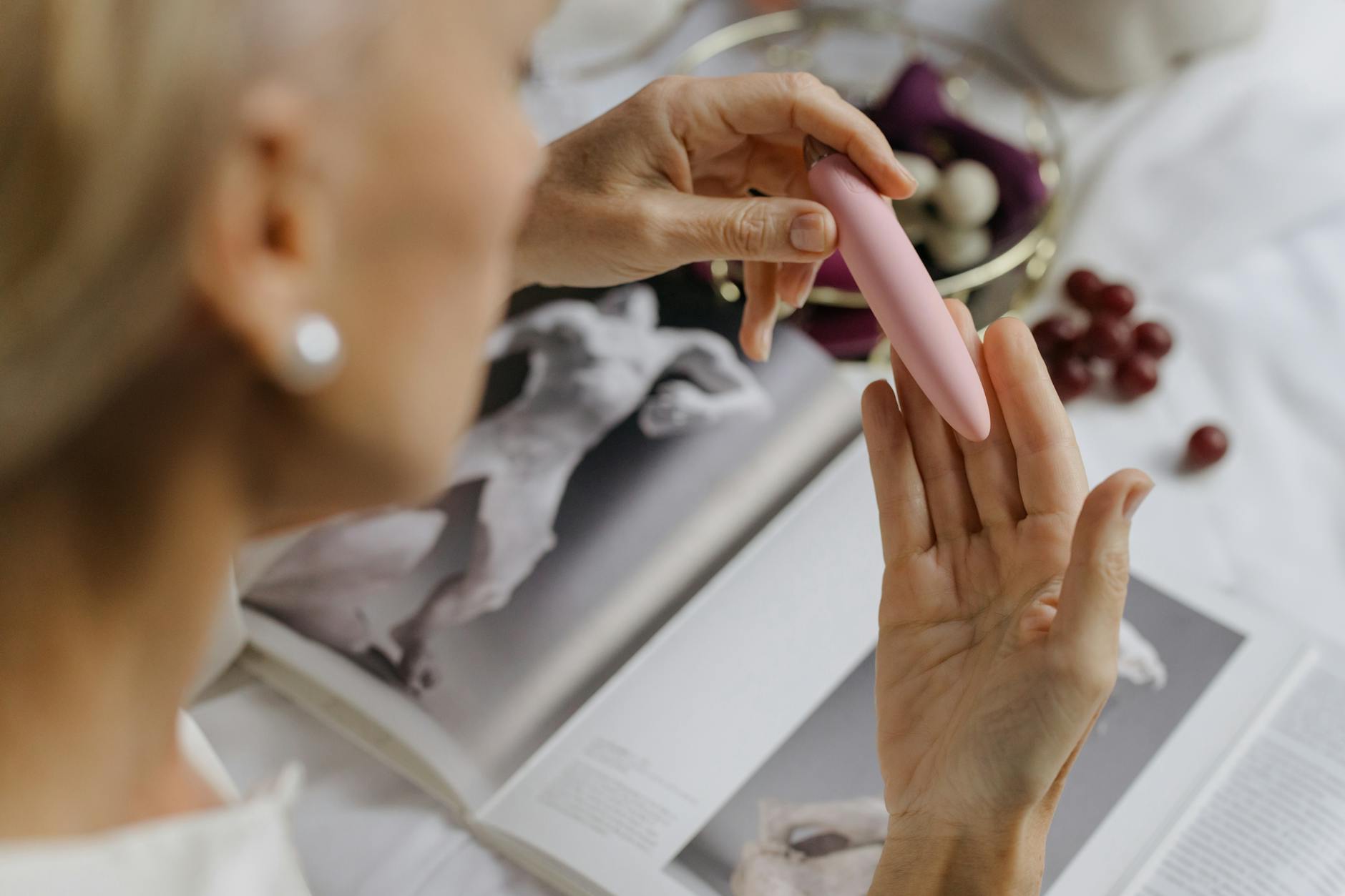
Let's start with what grief actually does to your body
Grief numbs. Not metaphorically. Physically. When you're in acute grief, your nervous system downregulates sensation as a survival mechanism. Your body pulls resources inward to manage the emotional weight, which means pleasure circuits go quiet. Touch feels distant. Orgasms feel unreachable. You might feel like you're watching your body from outside it rather than living inside it.
That's not weakness or wrongness. That's neurobiology.
But here's what I see in my practice again and again: people think numbness means they should stay away from pleasure entirely. They wait for desire to return on its own. And it sometimes doesn't, because the nervous system gets comfortable in survival mode. The body forgets that sensation is possible.
Lemon vibrators, specifically, can interrupt that pattern. Not by forcing pleasure, but by creating a low-stakes entry point back into physical awareness. I want to walk you through exactly how.
Why sensation-seeking during grief feels different
Grief grief changes three things about how your body processes pleasure:
First, attention. Your brain is running background processing on loss constantly. When you touch yourself, part of your awareness is always somewhere else. This makes direct touch feel like you're trying too hard.
Second, arousal thresholds. Cortisol and other stress hormones suppress the neurochemicals that generate arousal. Your body literally requires more stimulation to cross the arousal threshold. But if you're numb, you don't know how much is enough.
Third, permission. Grief culture tells you that pleasure is disrespectful, selfish, or premature. Your body mirrors that belief. Even if nerves fire, you might interrupt yourself midway through.
Lemon vibrators address all three. The rhythmic, consistent stimulation of a clitoral vibrator like the Lem doesn't require you to generate arousal from nothing. It does the work. Your job is just to show up.
Starting small, starting sensory
Here's how I frame this to clients: you're not trying to have an orgasm. You're not trying to feel horny. You're retraining your body that sensation is safe and available.
Start with low intensity. The Lem and other lemon vibrators have multiple patterns. Begin on the gentlest setting, pattern 1 or 2. Place the toy on your inner thigh, your vulva, anywhere sensitive but without pressure to perform. The goal is five minutes of consistent, light stimulation. Not aiming for anything. Just noticing.
You might feel nothing the first time. That's fine. You might feel a small tingle. Also fine. You're building a neurological pathway that says "my body can feel again." This takes repetition.
Do this three to five times a week, same time if possible. Routine helps your nervous system trust that this is safe. No expectations attached to outcome.
The grief-specific technique that actually works
After clients get comfortable with basic sensation, I introduce what I call the "anchor and expand" method.
Use your lemon clitoral vibrator for two minutes on your chosen area. Then pause. Notice where you feel the residual sensation. Is it warm? Prickly? Warm and spreading? Spend 30 seconds just breathing into that sensation without adding more stimulation.
Then resume for another two minutes. Pause again. Expand your awareness outward. What's happening in your legs? Your chest? Your breath?
The pauses matter. They teach your brain that you're in control. You're not being overwhelmed by sensation. You're choosing it, directing it, stopping it. This is especially important for grief, where loss often feels like something that happened to you.
Repeat the cycle three times. Total time: about ten minutes. No pressure to orgasm. The win is noticing your own body responding.
Why lemon vibrators specifically help with numbness
I mention lemon vibrators, or the Lem, by name here because the suction mechanism works differently than traditional vibration for grief-numbness specifically.
Vibration creates a broad, sustained stimulation. It's relentless in a good way. For someone numb, that relentlessness is permission to stop trying so hard. You don't have to figure out the angle or the rhythm. The toy does.
Suction-based clitoral vibrators like the Lem also create a sensation that's distinct from what your fingers or a partner provides. Newness itself can bypass the neural fatigue that comes with grief. Your brain is primed to notice novel stimuli. A Lem clitoral vibrator delivers that novelty in a controlled, safe way.
The other lemon sexual toys, like the Berri or other adult toys in our collection, offer different patterns and intensities. But the core principle is the same: consistent, predictable sensation that your nervous system learns to trust.
The emotional piece (because it's not separate)
Here's what I need to say clearly: you will likely feel guilty. You might feel like you're betraying the person you're grieving. You might feel like pleasure is inappropriate.
That guilt is real. It's also not evidence that you're doing something wrong.
In my practice, I reframe this: using a lemon vibrator during grief is not moving on. It's staying in your body while you grieve. Those are different things. Moving on would be forgetting. Staying in your body while grieving is self-care that your nervous system desperately needs.
If this guilt is intense, especially if it's blocking you from touch entirely, talk to a therapist who specializes in grief. There's often more there than shame about pleasure. Sometimes it's ambivalent feelings about the relationship itself, now that it's over.
But if you're ready to rebuild physical sensation, lemon adult toys can be part of that reclamation.
Timing, privacy, and the nervous system
Grief is exhausting. Your nervous system is running a marathon. So timing matters.
Don't attempt this when you're in active, acute grief. That window is usually the first two to six weeks after loss. During that time, your nervous system needs to process. Any pleasure seeking will feel forced and wrong, and your body will tell you so.
Give yourself at least six to eight weeks before you try lemon vibrators. Then assess: am I having moments where my mind isn't in crisis? Am I sleeping more than four hours? Can I sit through a conversation without feeling like I'm dissociating?
If yes, you might be ready.
Privacy is essential. You need physical and mental space where no part of you is managing someone else's discomfort. If you share a home, lock the door. If you share a bed, wait for private time. This isn't about shame. It's about your nervous system needing zero external demands while it relearns sensation.
What comes after sensation returns
Some clients report that after three to four weeks of using lemon vibrators this way, something shifts. Not suddenly. Gradually. They notice they're touching themselves between sessions. They have a moment where they genuinely want to. Desire isn't back, but its ghost is.
If you have a partner, that's a conversation, and it's separate from this one. How Lemon Vibrators Help When Rebuilding Intimacy After Infidelity Trauma might feel relevant, though the context is different. The point is: reconnecting with your own body is a distinct step from reconnecting sexually with someone else.
Grief is not linear. You might use lemon vibrators consistently for six weeks and feel great, then hit a grief wave and need a break. That's normal. You're not starting over. You're just respecting where your nervous system is on any given day.
Some people also find that once physical sensation returns, they want different tools. The Lem might feel right for months, then you want to explore different patterns or intensities. Listen to that. Your body knows what it needs.
FAQ: Grief, sensation, and lemon vibrators
How long does numbness usually last? Acute grief numbness can last anywhere from two weeks to six months, depending on the relationship and your support system. Some people experience waves of numbness interspersed with intense feeling for much longer. There's no standard timeline. Your nervous system is processing one of the biggest losses possible. Be patient with the pace.
Is it normal to feel guilty about wanting pleasure after loss? Completely normal. Your brain might interpret pleasure as moving on, which feels like betrayal. Reframe it internally as staying alive, staying in your body. Those are different things. Pleasure doesn't erase grief. The two can coexist.
Can I use a lemon clitoral vibrator if I'm not trying to orgasm? Yes, absolutely. In fact, for grief-numbness, releasing the orgasm goal is often what makes the tool work. You're retraining sensation, not performing. Pleasure might be the eventual outcome, but it's not the point. The point is rebuilding awareness of your own body.
Should I tell my partner I'm using lemon sexual toys during this period? That depends on your relationship and communication style. If you share intimacy, transparency usually helps. Something simple like "I'm using a vibrator to help my nervous system reset. This is for me, not about anything missing between us" often works. If you're single or prefer privacy, you don't owe anyone that disclosure.
What if I try and I still feel nothing? Give it time. Neurological changes take repetition. Also consider whether your grief is still in acute phase. If you're sleeping less than four hours or in constant crisis mode, your nervous system isn't ready. Wait another month and try again. If you've been consistent for four weeks and still feel nothing, talk to a doctor. Grief affects hormones, which affects sensation. Sometimes a physical check-in helps.
Is it disrespectful to grieve and also seek pleasure? No. Grief doesn't require suffering to be authentic. The person you're grieving loved you and wanted you to be okay. Part of being okay is staying in your body, staying alive, remembering that sensation and aliveness are possible. That's not betrayal. That's honoring your own survival.
The simple truth
Grief numbs. Numbness is your nervous system trying to protect you. But protection has a shelf life. At some point, staying alive means rebuilding sensation, relearning that your body can feel good.
Lemon vibrators are one tool for that work. They don't replace grief processing, therapy, or time. But they can be a remarkably effective way to tell your nervous system: you're safe. sensation is available. You're still here, and you deserve to feel alive.
Start small. No expectations. Just show up and notice. Your body will take it from there.