Here's what nobody tells you about quitting smoking and sex
Quitting smoking is hard. You know that. What you probably don't know is that three to six months after you quit, your body starts reporting sensations you haven't felt in years. Your skin becomes more sensitive. Your sense of smell returns. And your clitoris wakes up.
Nicotine is a vasoconstrictor. That means it shrinks blood vessels. Smaller vessels equals less blood flow equals less sensation, less arousal, and a harder time reaching orgasm. When you quit, blood flow normalizes. The effect is tangible. Some people describe it as touching their body for the first time.
How nicotine was quietly sabotaging your pleasure
Most smokers don't connect their smoking habit to sexual response. They see the two as separate problems. They're not. Here's the physiology.
Nicotine restricts the arteries and capillaries that feed your genitals. Less blood in the tissue means less engorgement, less sensitivity, and less natural lubrication. The clitoris, in particular, depends on blood flow for sensation and for the micro-movements that happen during arousal. Nicotine dampens all of it.
This isn't subtle. Studies on smoking and sexual function show consistent patterns: smokers take longer to orgasm, have fewer orgasms overall, and report lower pleasure intensity. One study found that people who smoked 20+ cigarettes a day were three times more likely to experience difficulty with arousal and orgasm compared to non-smokers.
The cruel part is that your brain adapted to this. You stopped expecting your body to respond the way it used to. Quitting feels like a gift to your lungs. It's also a gift to your pleasure.
What changes in the first month
Day one through week four is mostly about nicotine withdrawal. Your body is adjusting to the absence of the drug, not yet experiencing the restoration of function. You might feel irritable, foggy, or anxious. Libido often takes a hit here too, which feels unfair.
But underneath, things are shifting. Blood pressure normalizes. Oxygen in your bloodstream increases. Your cardiovascular system starts rewiring the neglected pathways.
Some people notice changes in this window. Others don't feel anything different sexually until month two or three. Both are normal.
Months 2-3: When sensation comes roaring back
Here's where it gets interesting. Around week six to twelve, many people report that touching feels more intense. Their partner's touch feels different. Orgasms, when they happen, feel sharper or longer or both.
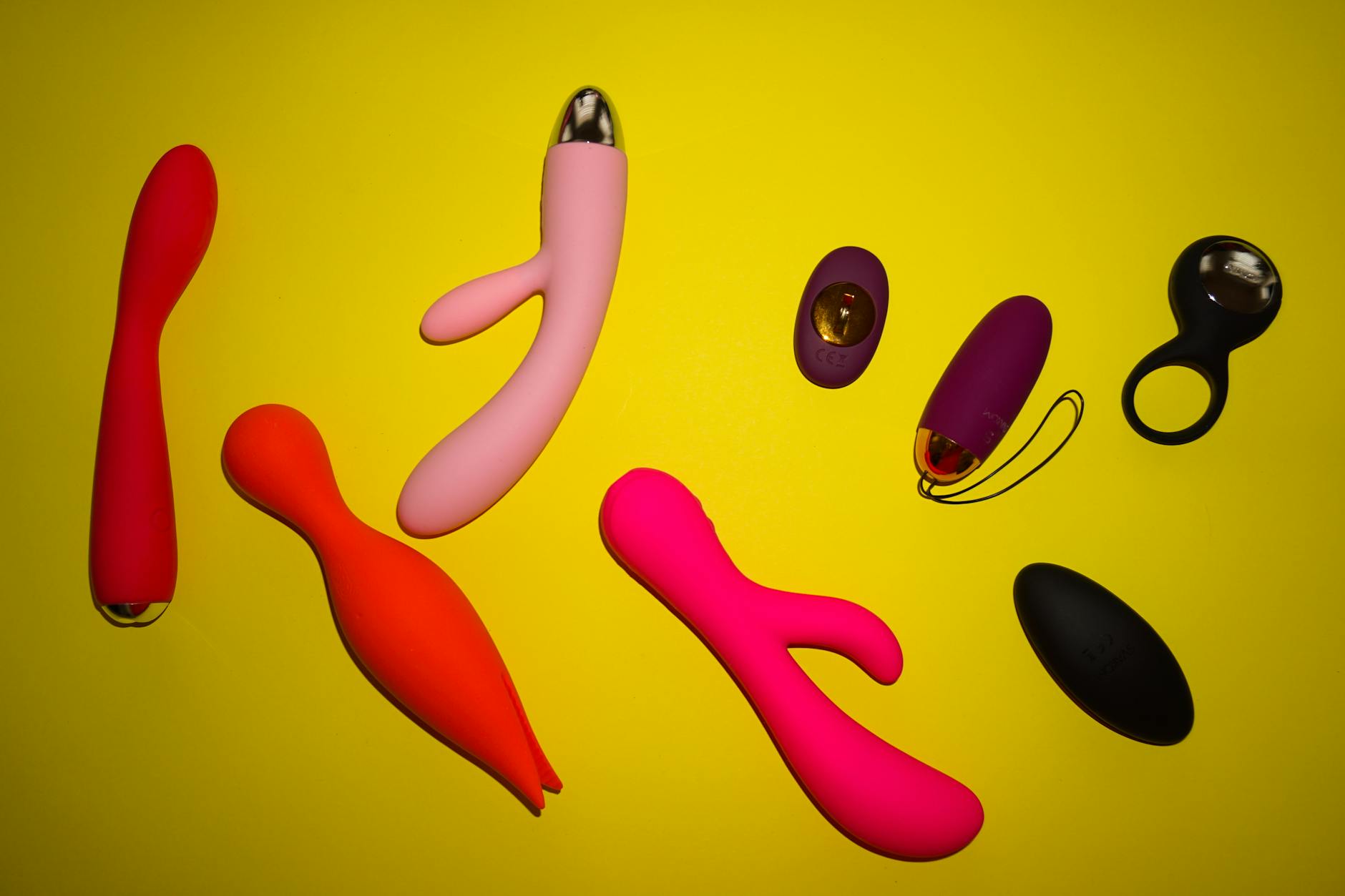
This is the point where a lemon clitoral vibrator becomes revelatory.
Why? Because suction-based stimulation like the Lem works through gentle pressure and pulse patterns, not aggressive vibration. It relies on adequate blood flow to the tissue for that sensation to register fully. When your blood vessels are constricted from nicotine, a suction vibrator can feel muted or unsatisfying. You might have tried one before quitting and thought, "This isn't for me."
Quit smoking, wait twelve weeks, and try it again. The difference is stark.
One client told me she'd bought a lemon sucker years ago and hated it. She quit smoking, three months passed, and she tried it again out of curiosity. She said it felt like someone had installed new nerve endings overnight. The stimulation that had felt generic suddenly felt precise and pleasurable in ways she couldn't have predicted.
Why suction works better now
Suction stimulation creates a gentle vacuum that draws tissue into the chamber and then releases it in a rhythmic pattern. This mechanism doesn't require aggressive friction or intense vibration to create pleasure. It requires sensation. It requires blood flow.
With normal blood flow, the tissue in and around your clitoris becomes engorged, more sensitive, and more responsive to that gentle suction. The sensation is often described as more focused, less dispersed across a wide area. Some people prefer this to traditional vibrators because it feels less numbing over time.
If you've quit smoking and are exploring lemon vibrators for the first time, start at the lower intensity levels. Your sensitivity has increased, which is good. But it also means you might find level five overwhelming when you used to need level eight. That's not a problem. It's a sign that your body is working properly again.
The psychological piece that matters
Quitting smoking is a big identity shift. You're literally changing how you spend your time, how you manage stress, what your hands do when they're restless. Some of that energy goes inward. You notice your body more because you're not constantly managing nicotine cravings.
That awareness matters for pleasure. Sensation doesn't live in your genitals. It lives in your nervous system, and your nervous system pays attention based on what you're paying attention to. When you quit smoking, you have more mental bandwidth to notice what feels good. That alone can shift the experience.
If you're partnered, your partner might also notice changes. Arousal might come faster. You might have more interest in sex. Some couples find that one partner quitting smoking actually improves their sex life together, even if the person who quit isn't the one driving the change. Blood flow is systemic. Everything gets a little more alive.
Timeline expectations
Here's a realistic map.
Weeks 1-4: Withdrawal dominates. Pleasure is probably not your priority. That's fine.
Weeks 5-8: You might start noticing taste and smell returning. Sensitivity to touch increases, but it's not always pleasurable yet. Sometimes it's just overwhelming.
Weeks 9-12: This is when most people report noticeable changes in sexual response. Arousal is easier. Sensation is clearer. This is the sweet spot for exploring new tools like a lemon clitoral vibrator.
Month 4+: Changes continue to deepen. Some people experience their most intense orgasms around the six-month mark, when cardiovascular improvements are solidified and their nervous system has fully adapted to normal blood flow.
That said, everyone's timeline is different. Smoking duration, current age, other health factors, and stress levels all influence how quickly the changes register. If you quit and don't feel different after four months, that doesn't mean something is wrong. Your body is still healing.
If sensation still feels muted
Most people do experience increased sensation after quitting. But if you're six months smoke-free and pleasure still feels numb, a few things are worth checking.
First, stress and sleep. Quitting smoking often coincides with other life changes. If you're stressed or sleep-deprived, your whole nervous system is dampened, including sexual sensation. That's reversible with better sleep and lower stress.
Second, medications. Antidepressants, blood pressure medications, and some antihistamines can affect sexual response. If you started or changed medication around the time you quit, that might be the culprit, not the quitting itself.
Third, give it more time. Healing is not linear. Some people need nine months or a year to feel fully back to normal.
And fourth, if pleasure is genuinely absent or painful, talk to a doctor. There are conditions unrelated to smoking that affect sexual response, and they're worth ruling out.
The longer game
Quitting smoking is one of the best things you can do for your body's capacity for pleasure. It affects everything from skin texture to cardiovascular function to the basic ability to oxygenate tissue. And unlike other big life changes, this one keeps getting better. Year two is usually better than year one. Year five is usually better than year two.
That restoration is worth protecting. Stress, poor sleep, new medications, or relationship friction can all temporarily dampen sensation again. But you now know what normal baseline pleasure feels like. That's worth a lot.
People also ask
How long after quitting smoking does sexual function improve?
Most people notice changes between six and twelve weeks. Some feel differences earlier, around week three or four. Others take four to six months. The cardiovascular improvements happen relatively quickly, but your nervous system's adaptation to those improvements takes longer. There's no magic number. If you're not feeling different at three months, you're not broken. You might just be someone whose timeline runs longer.
Can a lemon vibrator help with sensation after quitting smoking?
Yes. Lemon clitoral vibrators and other suction-based toys work with your body's natural blood flow to create sensation. Once that blood flow improves after quitting smoking, suction stimulation often feels more intense and more pleasurable. If you tried a lemon sucker before quitting and didn't love it, revisit it after three months of being smoke-free. You might have a completely different experience.
Will my orgasms feel different after I quit smoking?
Most likely, yes. Many people report that orgasms feel longer, more intense, or more focused after quitting. Some describe them as arriving more easily. Others say they feel deeper or more full-body. The variation depends on your body, but the general trend is that sensation improves. That includes orgasmic sensation.
What if I quit smoking but still have trouble reaching orgasm?
There are a lot of variables. Check in on sleep, stress, current medications, and relationship dynamics first. Those factors matter more than people realize. If those are solid and you're still struggling four to six months after quitting, it's worth talking to a doctor. Smoking-related sexual dysfunction usually reverses with time, but other factors could be at play.
Is it normal to feel numb after quitting smoking?
Yes, especially in the first month. Nicotine withdrawal is a real physical process, and it can temporarily dull sensation as your nervous system recalibrates. But this usually resolves by week four or five. If you're feeling generally numb in your body—not just sexually, but everywhere—talk to your doctor. That can sometimes indicate depression or another condition worth addressing.
How does nicotine affect the clitoris specifically?
The clitoris is highly vascularized, meaning it depends a lot on blood flow for sensitivity and arousal. Nicotine constricts the blood vessels that feed it, which reduces engorgement and sensation. When you quit and those vessels relax and open up again, the clitoris literally becomes more sensitive. This is why so many people report that touch feels different and more pleasurable after quitting.
The bottom line
Quitting smoking is hard. You're managing cravings, changing habits, and rebuilding your identity around being a non-smoker. That's a lot of work. But one unexpected gift that comes with that work is a more responsive, more pleasurable body.
Your clitoris doesn't stay numb forever. Your blood flow returns. Your sensitivity normalizes. And tools like lemon clitoral vibrators—tools that might have felt underwhelming before—suddenly click into place.
Give yourself three months. Then pay attention. The pleasure you thought was gone is probably just waiting for you to restart.