Let's be real about pleasure after 40
Orgasms feel different after 40. They don't feel worse. They feel different. That distinction is everything, because the cultural narrative around midlife sexuality is deeply unhelpful. Either you're told nothing changes (helpful: nothing), or you're told everything fades (helpful: also nothing). Both miss what's actually happening.
I work with couples navigating this transition all the time. What I notice is that people who understand the physical reality, embrace the changes, and adjust their approach find that lemon vibrators and clitoral stimulation become even more satisfying than they were in their 30s. Not because the body magically improves, but because you finally stop fighting it.
The physical shifts that matter
After 40, several things change at the cellular level. Collagen production slows. Tissue elasticity shifts. Blood flow to the genitals takes slightly longer to increase, meaning arousal builds slower. Lubrication patterns change. These aren't failures. They're recalibrations.
Hormone levels matter too. Estrogen and testosterone gradually decline starting in the late 30s, but the drop accelerates after 40 for many people. This changes how quickly your clitoris engorges during arousal and how intensely sensations register. But here's what doesn't change: the nerve endings are still there. The brain's pleasure centers still fire. The capacity for orgasm not only remains but often deepens.
I've worked with women whose most powerful orgasms happened in their 40s and 50s. This isn't rare. It's common enough that we should stop acting surprised by it.
Why lemon vibrators adapt better to your body now
Traditional buzz vibrators rely on rapid vibration to trigger the clitoris. That works fine at 25. After 40, many people find intense buzz either overwhelming or insufficient. You need either subtly different frequencies or a completely different stimulation type to hit the same satisfaction.
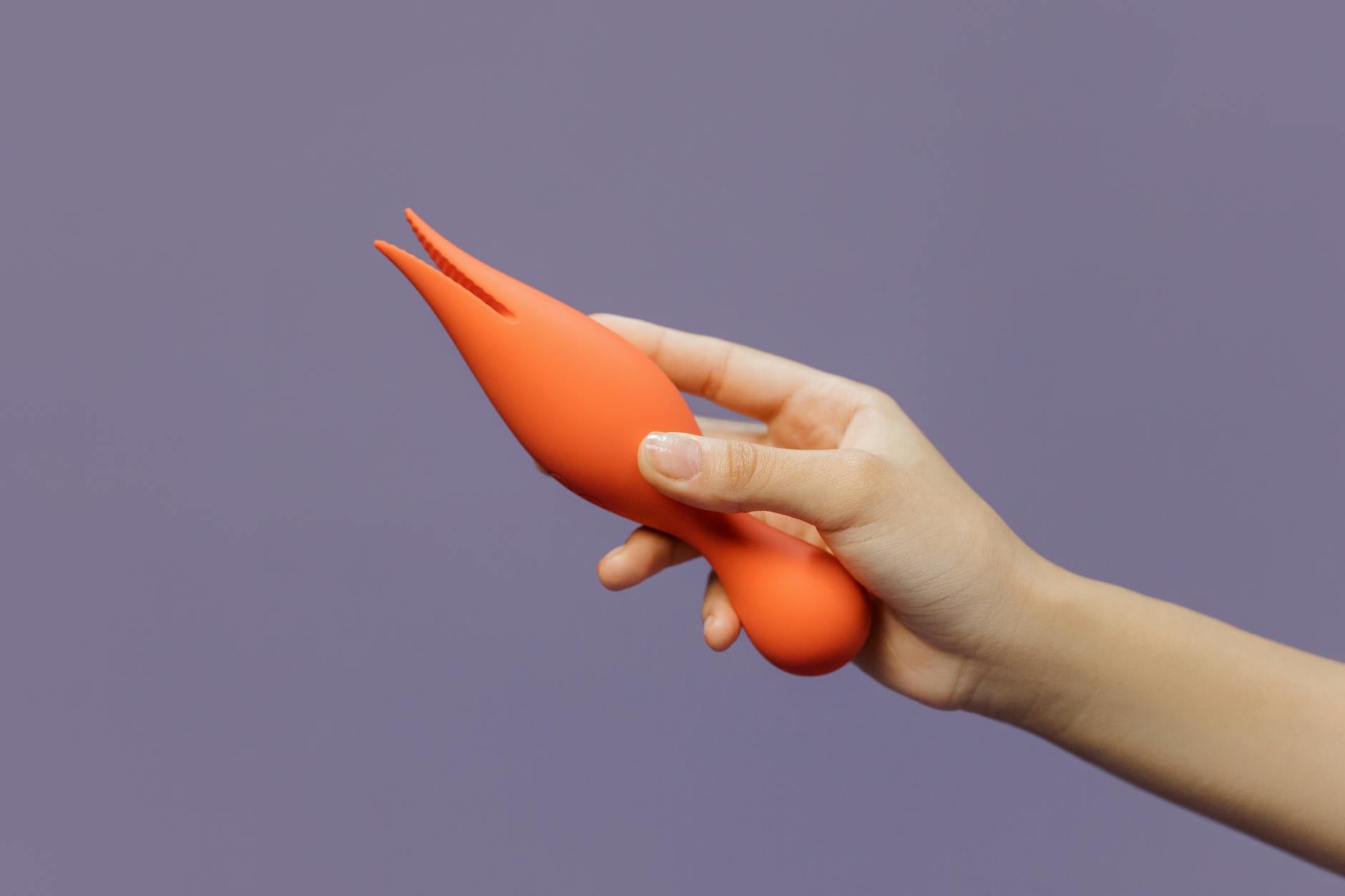
Lemon clitoral vibrators and suction-based devices like the Lem work differently. Instead of buzz, they use gentle air pulsation and suction that stimulates the entire clitoral complex, not just the surface. For bodies with shifting tissue sensitivity, this approach often feels more intuitive and more powerful than anything you've tried before.
The reason is mechanical. Suction engages a broader tissue area and creates a seal that intensifies sensation without requiring friction. After 40, when friction-based stimulation can feel too intense or numbing, suction-based lemon vibrators often become the tool that finally clicks.
The arousal timeline gets longer. Use it.
At 25, you might reach orgasm in five minutes. At 45, it might take 20. Most people experience this as a problem. I experience it as an opportunity.
A longer arousal window means more time for your nervous system to settle into pleasure. Less performance pressure. More ability to explore what actually feels good instead of chasing the fastest finish. If you're partnered, it also means more time for connection.
When you're using a lemon vibrator solo, a longer warm-up is genuine advantage. Spend 10-15 minutes exploring different settings on the Lem before you focus on the finish. Let your body gradually build. You'll often find that the orgasm, when it comes, has more depth than the quick ones from your 30s. Different shape entirely.
Sensitivity changes. Your settings need to change too.
Many people assume that after 40, they need more intensity to feel pleasure. Often the opposite is true. Tissue becomes more reactive to subtle stimulation. The clitoris itself is more easily overstimulated.
If you've been using a lemon vibrator at setting 4 or 5 for years, you might find that setting 2 feels more powerful now. This freaks people out. They think they've lost sensitivity. What's actually happened is their tissue is responding to a different kind of signal.
When you switch tools or adjust your usual routine, give yourself permission to experiment. Start at the lowest setting and move up. Notice what feels good right now, in this body, at this age. That's not loss. That's information.
Orgasm shape shifts. Learn to recognize it.
At 25, orgasms often feel like a clear peak followed by a clear fade. At 40+, many people describe them as more wave-like, more diffuse, or more internally focused. Some people experience multiple waves instead of one big peak. Some feel orgasm as deep pleasure without the explosive release they used to know.
I've had clients swear they've lost the ability to orgasm, then realize they were looking for the wrong shape. They were having orgasms. Just different ones.
With lemon clitoral vibrators specifically, this shift becomes even more pronounced because suction-based stimulation tends to create deeper, more internal sensations rather than surface-level peaks. If you're used to a specific orgasm signature, you might need to learn to recognize pleasure in a new form.
Mental load matters more than you think
This is where relationship dynamics become crucial. I work with couples where one partner has crossed 40 and suddenly pleasure feels harder to access. Nine times out of ten, it's not physiology. It's anxiety. Worry about aging. Relationship friction. Work stress. The body responds to all of it.
At 25, you might power through mental noise. At 40, you can't fake arousal. Your system is more sensitive to what's actually true in the moment. If something is off in the relationship, the body knows immediately.
Lemon vibrators can't fix relationship problems. They're phenomenal solo tools or partnered supplements, but they work best when your nervous system feels safe. If pleasure is harder to access, check in with what's true emotionally before assuming your body is broken.
When medication enters the picture
Many people start or adjust medications in their 40s. Antidepressants, blood pressure meds, hormone treatments. Some absolutely affect arousal and orgasm. Some don't. The intersection of aging, medication, and pleasure is real and worth a conversation with your doctor.
I mention this because I've worked with people who blamed aging when the actual culprit was a medication side effect. Getting clarity matters. If orgasm suddenly feels impossible and nothing else has changed except a new prescription, that's worth exploring with your healthcare provider. Often there are adjustments or alternatives.
The relationship reset that often happens
After 40, many people experience a shift in what they want from partnership. Kids might be older. Career pressure might ease. You might have less tolerance for dead-weight relationships. This clarity is actually a gift, even though it can destabilize things short-term.
For people rediscovering pleasure solo, lemon vibrators and clitoral stimulation tools become a form of reconnection with yourself. You're learning what you like now, not what you liked at 22. That's profound work.
For people in long-term partnerships, this moment is an opportunity to renegotiate. What worked at 30 might not work at 45. That's not failure. That's evolution.
Why now is actually the best time
I say this to every client who crosses 40: your pleasure is about to get interesting. You know your body better. You have less patience for performative sex. You've probably dumped most of the shame. A lemon vibrator in your 40s is not the same tool it would have been in your 20s. You know how to use it. You know what you want. You're willing to experiment.
Orgasms might look different. But different doesn't mean worse. Often, it means better.