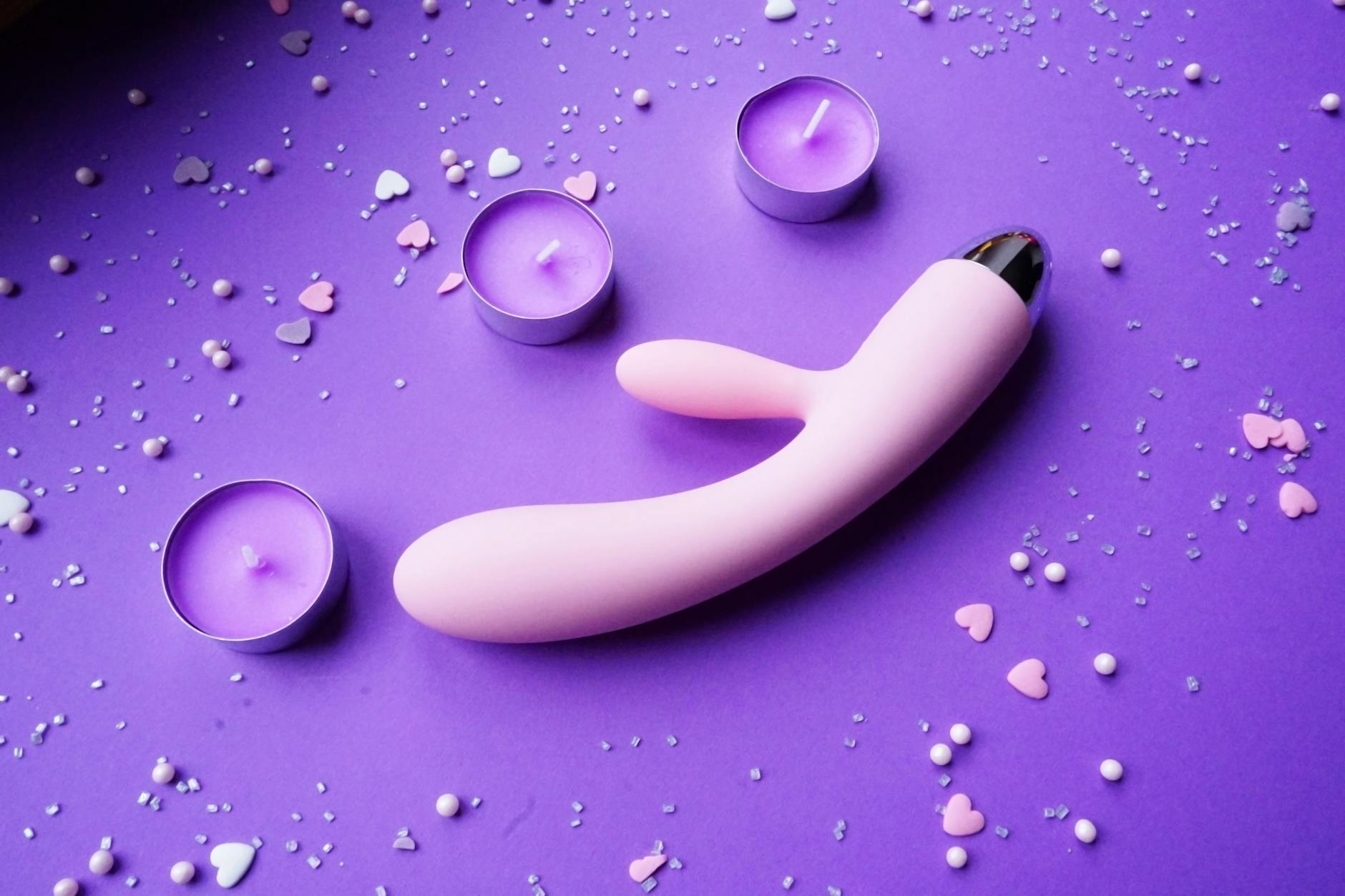
Why Lemon Vibrator Sensations Feel Different After Stopping Birth Control
You've been on the pill, the patch, or the ring for years. It worked. And then you stopped. Within weeks, something shifted. Your lemon vibrator doesn't feel the same. Maybe it's more intense. Maybe it's less. Maybe the patterns that always worked now feel off, and you're wondering if something's wrong with you.
It's not. Your body just got hormones back.
What hormonal birth control actually does to sensation
Most people think of hormonal contraception as preventing pregnancy. That's true, but it also does something quieter and more pervasive. It suppresses your natural hormonal cycle, which means it suppresses fluctuations in testosterone, estrogen, and progesterone. Those hormones don't just control fertility. They control blood flow to your genitals, nerve sensitivity, vaginal lubrication, and how quickly your body responds to stimulation.
In other words, they control the baseline settings for pleasure.
Hormonal birth control typically lowers free testosterone, the hormone most strongly linked to sexual desire and arousal speed. It also stabilizes estrogen at lower-than-peak levels. The combination creates a steadier but often dampened sensory experience. Your clitoral vibrator still works, but you're experiencing it through a different neurochemical filter.
When you stop hormonal birth control, your body begins producing these hormones again in their natural rhythm. For some people, the return happens quickly. For others, it takes months. The transition period is when most people notice the shift.
The first few weeks after stopping
Don't expect instant changes. In the first 7 to 14 days, most people notice very little. Your body hasn't rebuilt hormone production yet. The pill or patch is still metabolizing out of your system.
Around week two or three, you might notice breast tenderness, mood shifts, or changes in cervical fluid. This is your ovaries waking up. It's also when many people report changes in sensation. A lemon clitoral vibrator might suddenly feel stronger. Your sensitivity to touch might increase. Some people say the suction sensation feels more direct.
This isn't permanent weirdness. It's recalibration.
Why lemon vibrators feel stronger (and sometimes too strong)
Testosterone rises. This is normal and happens in everyone with ovaries, even if they've never heard it mentioned. Returning testosterone increases sensitivity in nerve endings, speeds up arousal, and makes stimulation feel more intense overall.
If you loved the feel of your lemon vibrator before, you might suddenly find lower intensity levels more satisfying. Pattern 2 might feel like what Pattern 5 used to feel like. This confuses people into thinking they've lost something. You haven't. You've gained receptor sensitivity.
If the increased intensity is uncomfortable, it's a simple fix. Start lower. Use a pattern you never used before and work backward. Your body will recalibrate to the new baseline within weeks.
The estrogen rebound and lubrication
Estrogen also rises over the first 1 to 3 months, particularly in the second half of your cycle if you ovulate. Higher estrogen thickens vaginal tissue and increases natural lubrication. This affects how a vibrator feels against tissue. More lubrication means less friction, which changes the sensation profile entirely.
If your lemon vibrator felt slightly uncomfortable during intercourse while you were on hormonal birth control, it might feel smoother and more comfortable now. If it felt optimal before, the added lubrication might feel slippery or less defined.
Again, this settles. But during the transition, you might need to adjust. Some people add external lubricant temporarily. Others prefer it without. Pay attention to what your body is telling you rather than defaulting to what worked before.
Desire and arousal speed change too
The hardest part of coming off hormonal birth control isn't always sensation. It's often desire.
Many people report that they feel horny for the first time in years. Others report that desire fluctuates wildly across their cycle, which can feel destabilizing after years of a flat baseline. Some find that spontaneous desire returns, which changes the whole architecture of partnered sex.
With a lemon vibrator, this shows up as changes in how long warm-up takes and what kind of stimulation actually triggers arousal. You might find that you need more mental engagement or that fantasy plays a bigger role. You might find that external stimulation alone isn't enough anymore and you need internal sensation too.
If you're in a partnership, this is worth talking about. Someone with a fluctuating desire cycle needs different timing and communication than someone with a steady baseline. It's not better or worse. It's just different.
Managing the transition with your body
If lemon vibrator sensations feel off right now, here's what actually helps.
Track your cycle for one month. Download a cycle app or use a calendar. Note when you use your vibrator and what it feels like. After 30 days, you'll see patterns you didn't expect. You'll probably notice that some days feel more sensitive. Other days feel muted. This is your hormonal cycle, which hormonal birth control was suppressing. It's not broken. It's working.
Lower your baseline and work up. If your usual pattern or intensity feels too strong, spend a week exploring lower settings. Retrain your body to recognize subtler sensation before going back to what felt good before.
Use external lubrication liberally. Even if you didn't before, try it during this transition. You might find your natural lubrication fluctuates wildly as your body adjusts. External lube gives you control over the sensation profile.
Give yourself three months. That's how long it typically takes for hormonal stabilization after stopping birth control. Your sensations will probably feel relatively stable by month three, though they might shift again with your cycle.
Consider your partner's adjustment too. If you're in a relationship, hormonal changes affect both of you. Someone might notice that you smell different or that you're more or less interested in sex at different times. This is information, not a problem.
When sensation changes signal something else
Most of the time, changes in how your lemon clitoral vibrator feels are just hormonal rebalancing. Sometimes they're not.
If you're experiencing pain that's new and intense, see a gynecologist. If your desire disappeared entirely and hasn't returned after three months, that might be worth checking in with a provider about. If you're cycling from hypersexuality to no desire, that might point to a larger hormonal issue like PCOS or thyroid dysfunction.
But if sensation just feels different, if your vibrator feels stronger or weaker or requires different patterns? That's textbook hormonal transition. It's normal. It will stabilize.
Reconnecting with pleasure on the other side
Here's what many people don't expect when they come off hormonal birth control: their sexuality often feels more expansive on the other side.
When testosterone returns, desire tends to feel more embodied. When your cycle returns, you might discover that different things turn you on at different times. A lemon vibrator might feel absolutely essential one week and less interesting the next. You might find that you want partnered sex more, or that solo time with your vibrator becomes more intentional.
This isn't loss. It's information about your body and what it actually wants. For years, hormonal birth control was telling your body to want a steady, predictable baseline. Your body is now telling you something different.
That's worth listening to.
Frequently asked questions
How long after stopping birth control will my sensations change?
Most people notice shifts within 2 to 4 weeks, with changes continuing through month three. Your baseline should feel relatively stable by the third month, though you might continue noticing fluctuations across your cycle. Everyone's timeline is different depending on which contraceptive they used and their individual biology.
Will my lemon vibrator always feel different now?
No. Once your hormones stabilize, sensation will stabilize too. But it might stabilize to a different baseline than before. You might find your vibrator now feels better, not just different. Many people report more intense or satisfying orgasms after hormonal stabilization because their bodies have returned to baseline hormone levels.
Should I switch intensity levels after stopping birth control?
Probably. Start with lower intensity than you used before and work upward over a few weeks. Your nervous system needs time to recalibrate to higher hormone levels. What felt right before might feel too strong temporarily. This changes as your body adjusts.
Is it normal for desire to be all over the place right now?
Completely. Hormonal birth control suppresses cycle-based fluctuations in desire. When you stop it, those fluctuations return. Some days you'll want your lemon vibrator desperately. Other days you won't care. This is your actual hormonal cycle, which is normal and healthy. Track it for a month to see the pattern.
Can stopping birth control affect my ability to orgasm?
Yes, and usually in a positive direction. Many people report stronger or more easily achieved orgasms after hormonal stabilization because testosterone has returned to higher levels. If you're having trouble with orgasm, give yourself the full three months for adjustment before worrying that something's wrong.
What if sensation changes don't stabilize after three months?
If you're past month three and sensation still feels completely off, check in with a gynecologist or provider who specializes in hormonal health. Sometimes coming off birth control unearths underlying hormonal issues like PCOS or thyroid dysfunction that were masked by the contraceptive. Getting clarity on that is worth your time.
The other side of hormonal transition
Coming off hormonal birth control is a bigger shift than most people anticipate. You're not just stopping a medication. You're inviting your body's natural hormonal rhythm back in. That rhythm shapes everything about pleasure, desire, sensation, and what turns you on.
Your lemon vibrator didn't break. Your body just got more complicated and more honest. Give yourself the grace to figure it out. Pay attention to what feels good now, not what felt good on hormonal birth control. And if you need help understanding what's happening, that's what providers and therapists are for.
You deserve to understand your own pleasure. That understanding starts with accepting that it changes, and that change isn't a malfunction.