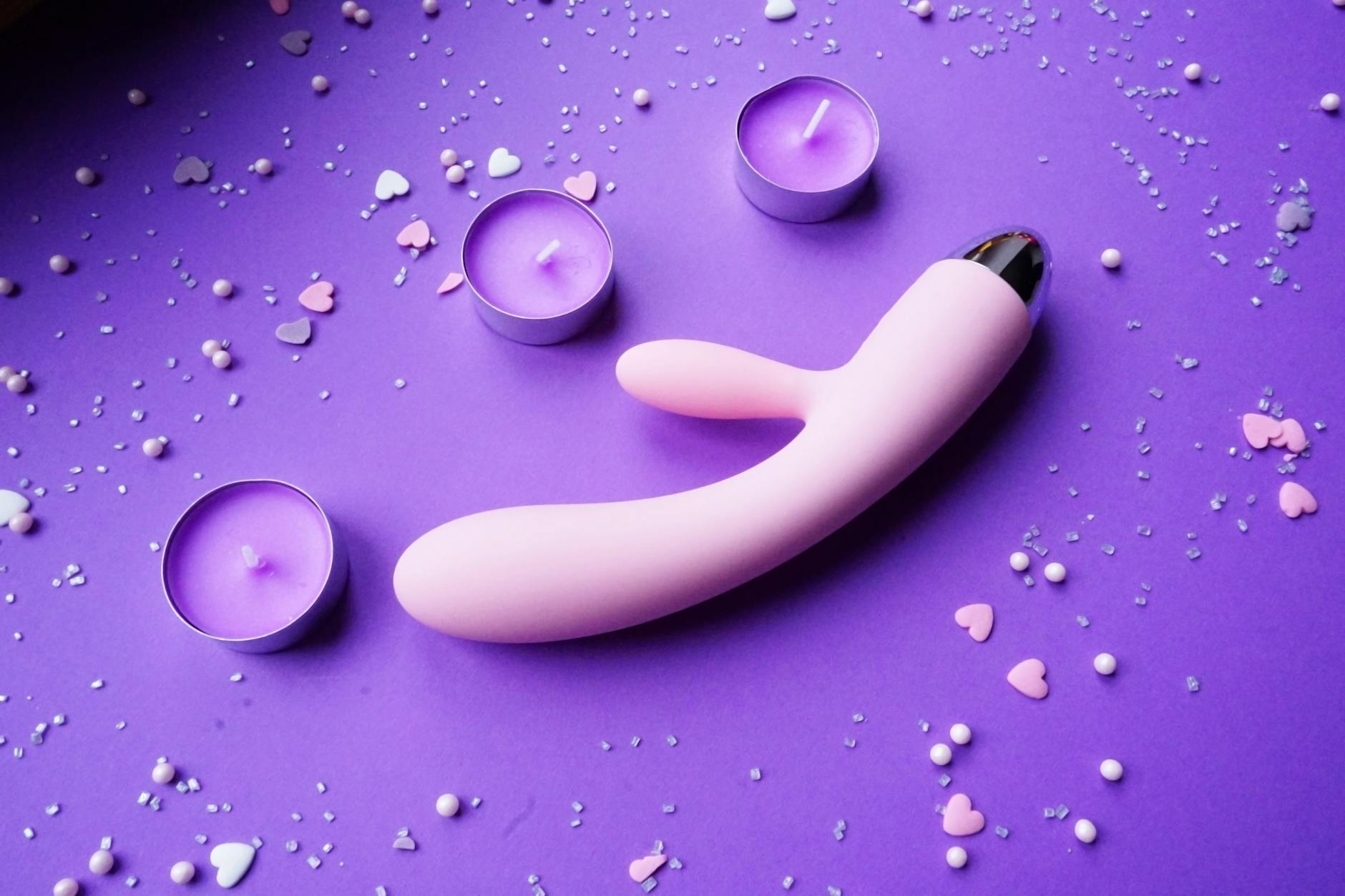
Why Lemon Vibrator Suction Feels Different After Certain Medications
Let's be real. You start a new medication, and suddenly the lemon vibrator that always worked feels like it's operating on a different frequency. The suction's the same. Your body's not. And nobody told you this was coming.
Most people assume pleasure changes are purely psychological or hormonal in the traditional sense. But medications literally rewire how your nervous system receives and processes sensation. That's not a side effect. That's pharmacology.
Here's what actually happens when you start an SSRI, blood pressure medication, or hormonal birth control, and why your clitoral sensitivity might feel muted, delayed, or completely reorganized.
How SSRIs change clitoral sensation
Selective serotonin reuptake inhibitors (SSRIs) are among the most prescribed antidepressants. They work by keeping serotonin circulating in your brain longer. Which is great for your mood. Which can be complicated for arousal.
About 30-40% of people on SSRIs report changes in sexual function. For some, that means lower desire. For others, it's orgasm delay or numbness during stimulation. With lemon vibrators specifically, users often describe the suction feeling "further away," even though the intensity setting hasn't changed.
Why? Serotonin actually dampens dopamine in the reward pathways. Dopamine is what makes pleasure feel like pleasure. More serotonin circulating means the chain reaction of arousal builds more slowly, and sensation registers as less intense at the peak.
Common SSRIs with this profile include sertraline, paroxetine, and fluoxetine. Escitalopram and citalopram tend to have slightly milder sexual side effects, though everyone's different. If you've recently started an SSRI and your lemon vibrator suddenly feels less responsive, this is likely why.
Blood pressure and other cardiovascular medications
Beta-blockers and ACE inhibitors work by relaxing blood vessels and reducing heart rate. Which saves lives with hypertension. Which also means less blood flow to the genitals during arousal.
Clitoral erection depends on that vascular rush. When blood pressure medication reduces it, the clitoris doesn't engorge the same way. Tissues feel less plump, less responsive. With a lemon suction toy, that means the seal might feel less snug, the sensation less direct. Some users say it feels like they're chasing the feeling instead of experiencing it.
Diuretics have a related issue. They reduce overall body fluid, which can make lubrication thinner and tissue sensitivity lower. Again, not broken. Just reorganized.
If you've started a new blood pressure med and notice changes, mention it to your doctor. Sometimes switching to a different class of medication (like an ARB instead of a beta-blocker) preserves sexual function better. This is a legitimate health conversation, not something to downplay.
Birth control pills and clitoral sensitivity
Hormonal birth control stabilizes estrogen and progesterone. Which prevents ovulation. Which also flattens the hormonal cycle that normally drives arousal peaks.
Naturally, your desire and sensitivity surge right before ovulation, then drop after. Birth control pills smooth that curve into a flat line. For some people, that's liberation. For others, it's numbness.
The lemon clitoral vibrator paradox here is real. Many users report that on hormonal birth control, suction feels less intense overall, and achieving orgasm takes longer. When they skip a week (placebo week) or switch methods, sensation suddenly sharpens.
Progestin-only pills and hormonal IUDs suppress ovulation differently than combination pills, so experiences vary. Some people find mini-pills or copper IUDs preserve pleasure better. Others don't notice a difference. Your gynecologist can help you explore options if this matters to you.
Antihistamines, decongestants, and chronic dryness
Over-the-counter cold meds contain pseudoephedrine or antihistamines. These dry out your entire body, including vaginal and clitoral tissue. Dry tissue is less sensitive tissue. It's also more prone to irritation, which makes pleasure feel painful instead.
With a lemon suction vibrator, this creates a weird mismatch. The stimulation might be intense, but without adequate lubrication, it can sting rather than satisfy. The fix here is simple. Water-based lubricant, every time. It's not a workaround. It's essential.
If you're on chronic antihistamines for allergies, this compounds. Constant medication, constant dryness. A good lubricant becomes your baseline tool, not an occasional add-on.
Opioid medications and sensation delay
Opioids (prescription pain medications) suppress the central nervous system. Which dulls pain. Which also dulls pleasure signals. People on chronic opioids often report that sensation feels muted overall. Clitoral stimulation takes longer to register. Orgasm, if it arrives, feels less intense.
With a lemon vibrator, users describe needing higher suction settings than before, or needing longer warm-up time. Some say sensation feels like it's happening at a distance, even though the toy is direct contact.
This is one reason opioid management is so important to discuss with your doctor. Sexual function is a legitimate part of quality of life, not a secondary concern.
Thyroid medications and overall energy
If your thyroid levels are off, everything feels off. Underactive thyroid slows metabolism, lowers energy, and mutes dopamine. That includes arousal energy.
Many people on levothyroxine report that pleasure feels flat until their TSH is properly balanced. The lemon vibrator works fine technically. Your brain just isn't as interested in the signal. It's not low desire. It's low-energy arousal.
This one's fixable. Work with your doctor to get thyroid levels in a good range. You might notice pleasure sensation normalize over a few weeks as your metabolism stabilizes.
What to do when medications change everything
First, don't assume you're broken. Your nervous system is adapting to a substance that's literally altering your neurochemistry. That's not a flaw in you or your pleasure capacity.
Second, don't stop taking medication to fix sexual function. That almost never works, and it risks your underlying health. Talk to your doctor instead.
Practical adjustments
Switch your warm-up. If arousal is slower, budget more time. Fifteen or twenty minutes of foreplay or solo exploration instead of five. Your body's still capable. It just needs more runway.
Revisit lubrication. Whether your medication causes dryness or just makes sensation feel distant, water-based lubricant changes everything. It increases glide, reduces friction irritation, and often makes suction feel more direct.
Experiment with intensity. You might need to start at a lower setting and ramp up, or skip the lower settings entirely and start mid-range. There's no wrong answer. Your body's expectations have shifted, so your tool settings should too.
Consider timing. Some medications work better at different times of day. If your medication timing is flexible, talk to your doctor about whether taking it at night instead of morning (or vice versa) might preserve daytime arousal. Small shifts can matter.
Work with a therapist who gets it. If sexual function has become a relationship stressor, a therapist trained in sex-positive, medication-informed counseling can help you both navigate this. It's not about performance. It's about understanding what's changed and adapting together.
When to ask for a medication change
Some medications come in multiple formulations or dosages. If sexual side effects are severe and your current prescription isn't working well, your doctor might switch you to something with a lower sexual side effect profile.
Common switches: from sertraline to escitalopram for depression, from a beta-blocker to an ARB for blood pressure, from a hormonal IUD to a copper one for contraception. None of these are guaranteed fixes, but they're worth discussing.
Bring it up. Your doctor has heard this before. Sexual function is health. It deserves the same attention as any other system.
FAQ
Can I use a lemon vibrator if I'm on an SSRI?
Absolutely. SSRIs don't make vibrators unsafe. They just change how sensation registers. You might need longer warm-up time, more lubricant, or different intensity settings. The clitoral vibrator still works. Your nervous system is just processing the signal differently.
Will my pleasure come back if I stop the medication?
Sometimes. But stopping an SSRI or other psychiatric medication to fix sexual function usually backfires. Depression or anxiety returns, and pleasure gets worse overall. Work with your doctor on options. Switching medications, adjusting dose, or adding a sexual side effect management strategy (like bupropion for depression) might help more than stopping entirely.
How long does it take for sexual sensation to normalize after starting a new medication?
It varies. Some people adapt within weeks. Others take 2-3 months. The nervous system is slow to recalibrate. If changes haven't stabilized after 8-12 weeks, that's a good time to revisit medication options with your doctor.
Does blood pressure medication always affect arousal?
No. Some people on beta-blockers notice zero difference. Others feel a significant shift. It depends on the specific drug, the dose, your individual physiology, and a bunch of other factors. If it's happening to you, mention it. Your doctor can help troubleshoot.
Can lube really make a difference with medication-related sensitivity loss?
Yes. Lube addresses multiple problems at once. It reduces friction irritation (especially with antihistamines), improves the suction seal (better with blood pressure meds), and reduces the mechanical stress that can make stimulation feel painful instead of pleasurable. Water-based lube with a lemon clitoral vibrator is usually the move.
Is medication-related numbness during pleasure permanent?
Not usually. It can normalize with time, dose adjustment, or medication change. And even if it doesn't fully reverse, most people adapt and find new ways to experience pleasure that work with their current neurology. Therapy, different toy settings, or partnered exploration often helps.
Your pleasure matters. That includes the unglamorous part: how your body actually works when it's on medication that keeps you healthy. If something feels different, say it. Get curious about it. Talk to people who understand both the medical and the sensual sides of the equation.
You're not broken. You're just working with a different nervous system than you were before. That's not a bug. It's just information.