Let's talk about the in-between years
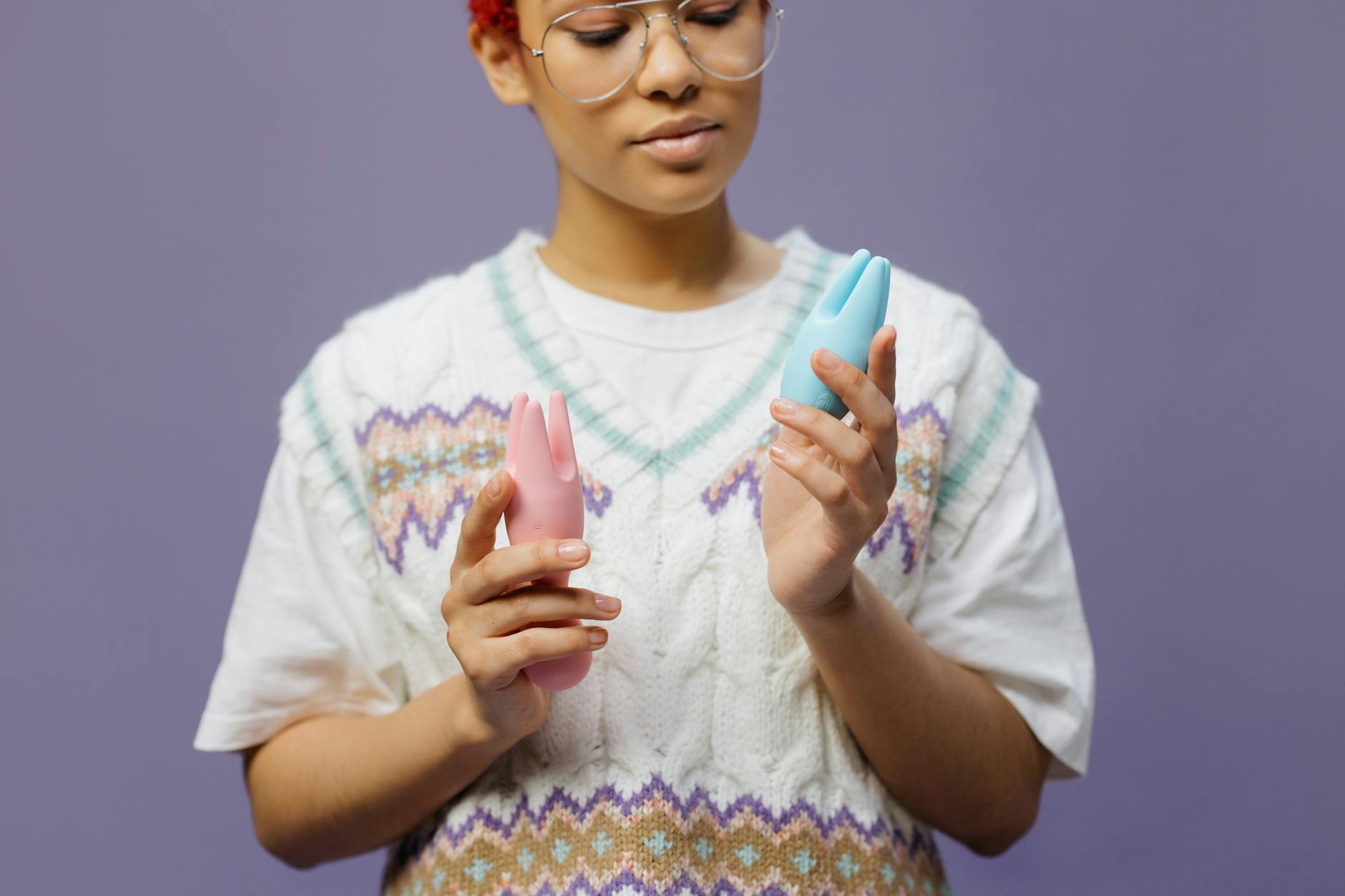
Perimenopause is the awkward middle chapter nobody warns you about. Your period isn't gone yet. Your hot flashes might be intermittent. But your clitoris? It's already rewriting the rulebook. If your lemon sucker or other clitoral vibrator suddenly feels different, you're not imagining it. Your hormones are already in transition, and sensation is one of the first things to shift.
What perimenopause actually does to your body
Here's the thing: perimenopause doesn't start when you stop menstruating. It starts years earlier, often in your 40s, sometimes in your late 30s. Estrogen and progesterone begin fluctuating wildly. Some months they're higher than ever. Other months they drop hard. Your nervous system is essentially being rewired month to month.
This hormonal chaos has a direct effect on clitoral tissue. Estrogen keeps tissue plump and well-supplied with blood. When it drops, even temporarily, that tissue becomes thinner and less engorged. The clitoris has over 8,000 nerve endings, but those nerves rely on healthy blood flow to fire properly. Less blood flow means less sensitivity, or sometimes different sensitivity. Not better or worse, just different.
When I work with clients in perimenopause, the most common report is this: "It used to feel amazing immediately. Now I need more time to warm up." That's not psychological. That's physiology.
Why your arousal timeline changed
The speed at which your body becomes aroused is partly about hormones and partly about blood flow stability. In your 20s and 30s, the surge of estrogen in the first half of your cycle meant consistent clitoral engorgement. Arousal happened fast. Your lemon clitoral vibrator hit a sensitive, well-prepared target.
In perimenopause, that consistency evaporates. Some days your clitoris feels as responsive as it ever did. Other days, even with a lemon sucker at pattern level 3, it takes 20 minutes to build momentum. This isn't a sign of dysfunction. It's a sign that your baseline has shifted temporarily.
The second thing that changes is sensation texture. Many people describe it as feeling slightly more concentrated or less diffuse. With a traditional buzz vibrator, this can feel less satisfying. With suction like the Lem, it often feels more precise. That's because suction works differently than buzz. It pulls rather than pushes. For tissue that's less engorged, that pulling sensation often translates to clearer, more localized stimulation.
The neurological piece most people miss
It's not just about the clitoris itself. Your brain's relationship to pleasure is shifting too. Estrogen affects dopamine receptors. When estrogen drops, your brain's reward circuitry recalibrates. You might notice that sensation that used to feel urgent now feels quieter. Or you might feel less motivation to initiate, even if physical pleasure is still there once you engage.
This is why many people say sex felt more "automatic" in their 20s and 30s and now requires more intention. That's accurate. You're not broken. Your nervous system is just requiring more explicit signals to get going. That's why longer warm-up time isn't a bug. It's the new normal.
For lemon vibrators and other clitoral suction toys, this often means the pleasure builds differently. Instead of a quick, sharp peak, arousal might feel more like a slow climb with a broader plateau. Some people report their best orgasms come during this phase because they're not chasing a specific sensation anymore. They're exploring what actually works now.
Lubrication shifts and what to do about it
Let's be direct: vaginal dryness can start in perimenopause, sometimes even before hot flashes begin. Vaginal tissue is extremely estrogen-sensitive. When estrogen fluctuates, lubrication becomes inconsistent. Some cycles, no problem. Other cycles, notably dry.
This matters for lemon vibrators because suction works best with a stable moisture level. If tissue is dry, suction can feel intense or even mildly uncomfortable. The solution is simple: water-based lubricant becomes your friend. Not because you're aging poorly, but because externally applied lubrication helps suction glide more smoothly and feel more pleasurable. I recommend applying lube not just inside but around the external clitoral area before using your lemon sucker.
If dryness is severe and persistent across multiple cycles, a conversation with your doctor is worth it. There are excellent topical estrogen creams that address perimenopause-related dryness specifically. They're different from systemic HRT and often provide fast relief.
Why intensity level suddenly feels different
Many people report that patterns they loved at level 4 or 5 suddenly feel too strong. You're not losing sensation. You're experiencing a change in tissue tolerance. Thinner tissue, less blood supply, recalibrated nerve sensitivity. That combination means lower intensity can actually feel more satisfying.
My advice to clients: reset your baseline. Treat your lemon vibrator like you're exploring it for the first time. Start at pattern 1 or 2 and build up. You might find that what felt boring at level 2 a year ago now feels perfectly interesting. You might also find new patterns you'd previously skipped over now work brilliantly.
This isn't weakness. It's your body teaching you something new about what works.
The partner dimension, if you have one
If you're in a relationship, perimenopause can create friction if neither partner understands what's changing. A partner might interpret slower arousal as lower desire. Or interpret the need for external vibration as something they're not providing. It's worth naming explicitly: "My body is changing hormonally. This isn't about us. This is about my clitoris recalibrating."
One useful framework: separate the conversation about your pleasure from the conversation about your partnership. You can say, "I need more time and different stimulation right now," without saying, "You're not enough." Those are two separate statements and they deserve separate conversations.
When you invite your lemon vibrator into partnered sex, frame it as an exploration, not a replacement. "I'm curious how this feels now" is different from "I need this instead of you." The first creates partnership. The second creates distance.
When to loop in a doctor
If your clitoris feels numb or painful rather than just less responsive, that warrants a conversation with your gynecologist. If arousal issues are paired with other perimenopause symptoms (irregular periods, severe hot flashes, mood shifts) and they're affecting your quality of life, HRT or other treatments might be worth discussing.
Perimenopausal clitoral changes are normal. Perimenopause plus clitoral pain or complete numbness is not. The difference matters.
The reframe worth holding
Perimenopause gets positioned as a loss: you're losing hormonal consistency, losing quick arousal, losing sensation. I'd argue it's a different kind of transition. You're gaining the opportunity to learn what your body actually wants, stripped of the efficiency of younger hormones. You're learning which sensations genuinely work versus which ones worked because your physiology made them easy.
Many people find their most satisfying orgasms come after they've adjusted to perimenopause changes, not before. The shift in what turns you on, how you build arousal, what intensity feels best. None of that is worse. It's just different. And for a lemon clitoral vibrator like the Lem, different is often exactly right. The suction mechanism adapts beautifully to the kind of stimulation perimenopause bodies respond to.
The best time to experiment is now. Your body is telling you something. Listen to it.
People also ask
Does perimenopause lower your sex drive permanently?
Not necessarily. Many people experience fluctuating libido during perimenopause, not permanent loss. Some cycles feel very sexual. Others feel dormant. It's the inconsistency that's disorienting, not a one-way decline. Libido often stabilizes post-menopause. If you want to support arousal during perimenopause, extended foreplay, lemon vibrators, and good communication with partners all help. If libido drops significantly alongside depression or fatigue, talk to your doctor. Sometimes that's hormone-related. Sometimes it's other stuff worth addressing.
Can you use a lemon vibrator during perimenopause if you have irregular bleeding?
Yes. Bleeding patterns don't affect whether external vibrators are safe to use. What does matter is comfort. If you're experiencing cramping, you might find that very gentle suction or no vibration is preferable. If you're not experiencing cramping, your normal routine works fine. Some people find that orgasm actually helps with cramp relief. Others find it uncomfortable. Pay attention to what your body prefers.
Why does suction feel better than buzz during perimenopause?
For many people, yes. Suction stimulates nerves without the same direct mechanical pressure. During perimenopause, when tissue is thinner and less engorged, that gentler approach often translates to clearer sensation. Buzz vibrators can feel buzzy and diffuse. Suction feels more focused. Neither is objectively better, but for perimenopause bodies, suction like a lemon sucker often wins.
How long does it take to have an orgasm with a lemon vibrator during perimenopause?
It depends on where you are in your cycle and where your hormones happen to be that day. Early perimenopause, you might still hit orgasm in 5 to 10 minutes. Later perimenopause with lower estrogen days, 15 to 25 minutes is completely normal. This isn't a problem to fix. It's a rhythm to honor. Give yourself the time your body actually needs instead of chasing the time it used to take.
Is decreased clitoral sensation in perimenopause reversible?
Often, yes. If it's purely hormone-related, many people report that sensation stabilizes and often improves after menopause officially arrives and hormones settle at a new baseline. If you want to support clitoral sensation now, consistent sexual activity actually helps. Blood flow to the area maintains tissue health. Lemon vibrators, fingering, partner stimulation. All of it supports better sensation. It's a use-it-or-lose-it situation, but the good news is using it feels great.
Should I try HRT if my clitoris feels less sensitive?
That's a question for your doctor, not me. Some people find that systemic or topical HRT improves clitoral sensation. Others don't notice a change. The decision to pursue HRT involves lots of factors beyond sensation alone. If clitoral changes are bothering you and they're part of a larger perimenopause picture you want addressed, it's worth mentioning to your provider alongside your other symptoms.
The bottom line
Your lemon vibrator didn't stop working. Your body is just working differently now. That's not tragic. It's an invitation to pay attention, adjust your approach, and sometimes discover sensations you'd overlooked. Perimenopause is a threshold. Walking through it with curiosity instead of dread changes everything. Your pleasure matters at every age. It just looks different in perimenopause, and that difference is worth exploring.