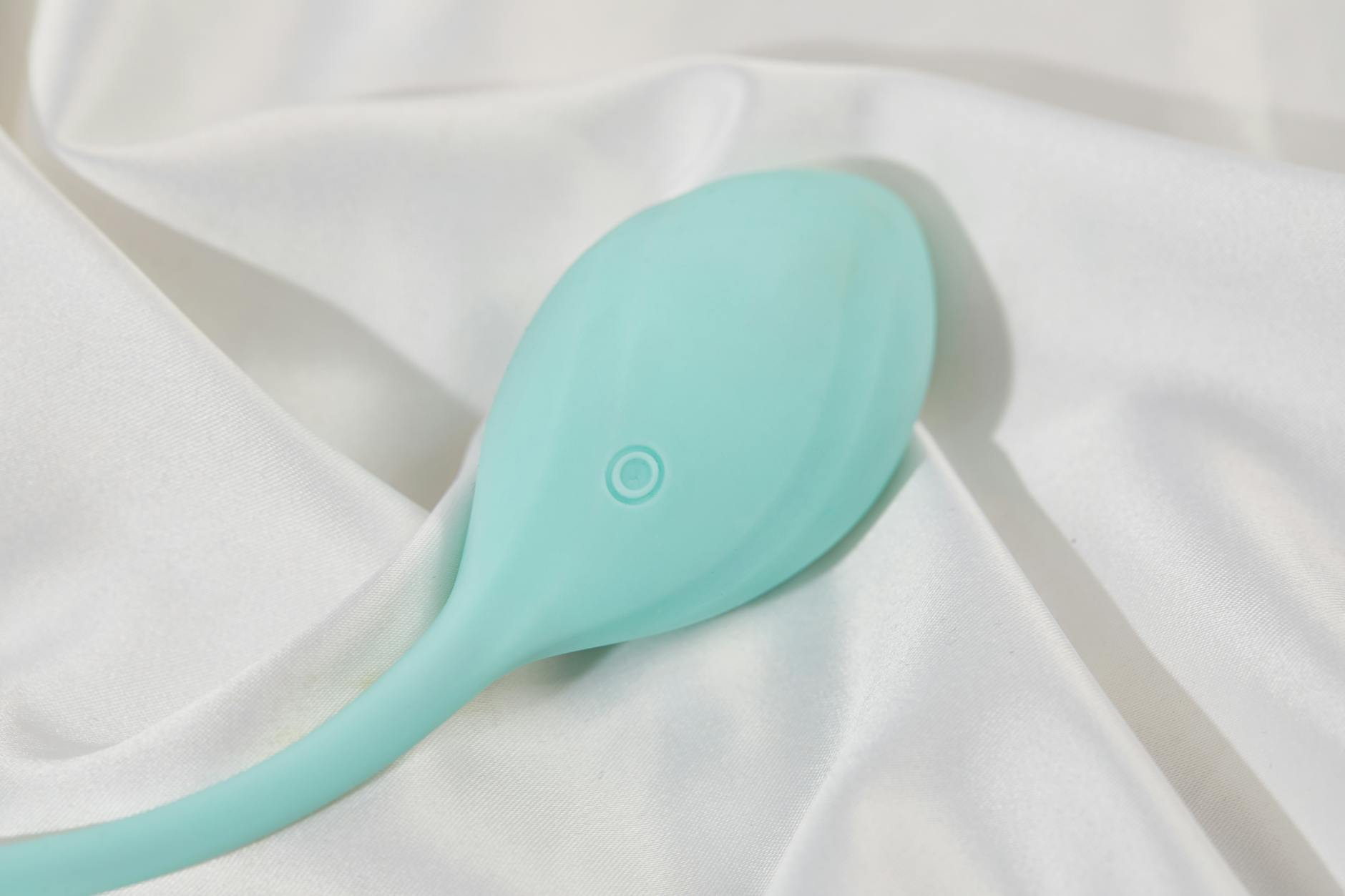
Here's the thing about sensitivity
If you've ever used a traditional vibrator and felt overstimulated, numb, or even a little sore afterward, you're not broken. Your nervous system is just responding differently to how the stimulus is being delivered. The difference between a buzzing vibrator and a suction-based lemon vibrator is more profound than it sounds. One works with your body's natural sensitivity. The other works against it.
Let's talk about what's actually happening when you switch from buzz to suction. And why that switch changes everything for people with sensitive clitorises.
How traditional vibration stimulates the clitoris
A standard vibrator works through rapid, repetitive oscillation. The motor shakes back and forth hundreds of times per second. That creates a broad, diffuse stimulation that activates nerve endings across a wider area of tissue.
Here's what happens: The vibration fatigues certain nerve fibers faster than others. Your clitoris has roughly 8,000 nerve endings clustered in one small area. When they're all firing at the same frequency for extended periods, some of them start to desensitize. The brain stops registering the signal as strongly. This is why many people find they need to increase intensity over time, or switch positions to find stimulation again mid-session.
For people with sensitive skin or high nerve density, there's another layer. That constant micro-movement can feel abrasive. It's not pain exactly, but friction fatigue. Your tissue gets irritated, which feels like numbness or even a dull ache after use.
How suction stimulation feels different
A lemon vibrator works through a completely different mechanism. Instead of vibrating, it creates a gentle vacuum against the clitoris. That suction pulls the tissue upward and inward, stimulating the nerve endings through traction rather than friction.
The experience is less like a buzz and more like a gentle squeeze and release. Some clients describe it as feeling "deeper" even though the device barely touches you. That's because you're engaging layers of the clitoral complex that traditional vibrators often miss. The clitoris isn't just the visible external button. It's a whole internal structure with branches and layers. Suction reaches those internal pathways in a way friction can't.
Why does this matter for sensitive bodies? Because traction-based stimulation doesn't fatigue nerve fibers the same way vibration does. The mechanism is entirely different. Instead of overwhelming a tight cluster of nerves with repetitive motion, you're creating a rhythmic pressure change that the nervous system experiences as intentional and targeted.
The science of nerve response
Your clitoris has multiple types of nerve endings. Some respond to pressure, some to light touch, some to vibration, and some to temperature shifts. A traditional vibrator primarily activates the vibration-sensitive nerves. If those nerves are particularly dense or reactive, you hit overstimulation quickly.
Suction activates a different subset. It engages pressure-sensitive and proprioceptive nerves. That's why many people can use a lemon clitoral vibrator for longer periods without that overstimulated feeling. You're not exhausting the same neural pathways.
There's also a practical advantage. Because suction creates a seal around the tissue, the stimulation is contained. There's no surface friction dragging across sensitive skin. The clitoris isn't being abraded. It's being held gently and pulsed. For people with vulvodynia, reduced skin barrier function, or just naturally tender tissue, this is a game-changer.
Why you might feel numb with traditional vibrators
Numbing during or after vibrator use happens for three reasons.
First is habituation. Sustained vibration at a single frequency causes your sensory neurons to adapt. They stop firing as readily. This is a normal neurological response. It's not permanent, but it's why you might need a break between sessions or feel less sensation on day two.
Second is micro-trauma. Even gentle friction, repeated hundreds of times per second, can cause tiny inflammatory responses in sensitive tissue. The inflammation isn't severe, but it deadens sensation temporarily. You feel numb because the area is slightly swollen and your nervous system is dampening the signal.
Third is pressure. If a vibrator is pressed too firmly against the clitoris, it can compress blood vessels slightly. That reduces oxygen flow to the tissue and mutes nerve signaling. Most people don't realize they're doing this because they're chasing intensity.
Suction avoids all three. The seal prevents surface friction. The mechanical action doesn't cause the same inflammatory response. And the pulsing action actually promotes blood flow rather than restricting it.
Real differences you'll notice when you switch
Most people report three things when they move from a traditional vibrator to a lemon sucker for the first time.
One: The sensation feels sharper and more defined. You're not overwhelmed. Instead, you feel each pulse distinctly. For some, this takes adjustment because it's so different. But most find it allows for real exploration of what actually feels good.
Two: You can go longer. Because the stimulation isn't fatiguing in the same way, you can maintain sensation for 15, 20, even 30 minutes without that overstimulated feeling creeping in. You're not fighting numbness halfway through.
Three: Orgasms often feel different. Not necessarily "better" or "stronger," but different in quality. Many people describe them as more full-body, more concentrated, or more psychologically present because they're not battling sensation fatigue.
What intensity actually means with suction
This is important. With a traditional vibrator, intensity usually means "how fast it buzzes." Higher speed equals more intense sensation. Most people assume the same logic applies to suction vibrators.
It doesn't. With a lemon vibrator, intensity refers to how strong the suction pull is. A higher setting creates stronger vacuum, not faster pulsing. This is a meaningful distinction because stronger suction doesn't create that overstimulated feeling the way faster vibration does. You can often use a higher suction setting comfortably than you could use a high vibration speed on a traditional device.
Start low. Build up. But don't assume "high intensity" with suction means "too much." Many sensitive people find their sweet spot at a moderate-to-high suction level while they'd rarely tolerate high-speed buzz.
If you're transitioning from buzz to suction
Three things to know.
First, your clitoris might need a few sessions to adjust. You've been training it to respond to one type of stimulus. A completely different mechanism feels weird at first. That's normal. Most people need two or three uses before suction actually clicks.
Second, lube isn't optional like it might be with vibrators. The seal is part of what makes suction work. A small amount of water-based lubricant helps create that seal without making it feel too slippery. Don't skip this step.
Third, positioning matters more. With vibrators, you can kind of hold them anywhere and get sensation. With a lemon sucker, the angle and pressure affect whether you get good seal and suction. Spend time finding your angle. It's worth the five minutes of exploration.
If you're learning your body for the first time, suction-based stimulation actually teaches you more about what feels good. Because you're not overwhelmed by buzz, you can pay attention to subtle differences in sensation.
When suction is especially helpful
Certain situations make the switch to suction particularly valuable.
If you have vulvodynia or generalized vulvar sensitivity, suction often feels less triggering than vibration. The mechanism avoids the surface friction that often causes flare-ups.
If you're using a vibrator with a partner, suction is often quieter. It doesn't produce the same buzzing sound. That can feel less clinical and more intimate for some couples.
If you've been experiencing numbness with traditional vibrators, the switch to suction often restores sensation within a few days. You're not damaging anything with a regular vibrator, but you might be fatiguing your nervous system's response. Suction resets that.
If you're sensitive to intense sensation but still want penetrative or partnered play, a lemon clitoral vibrator offers targeted stimulation without the overstimulation risk that some people face with internal or dual-action devices.
The real takeaway
Neither mechanism is objectively better. But they're not the same, and acting like they are misses something important. Your body responds to different types of stimulation differently. A suction-based lemon vibrator isn't just a "fancier" vibrator. It's a fundamentally different way of engaging your nervous system.
If you've struggled with traditional vibrators, that's not a sign your body is broken or that you're "too sensitive." It might just mean you haven't found the mechanism that works with your particular nervous system. Suction often is that mechanism. And once you find it, you often wonder why you waited so long to try something different.
People also ask
Can suction vibrators cause the same numbness as traditional vibrators?
Generally no. Because suction engages different nerve pathways and doesn't work through friction, it's less likely to cause habituation numbness. That said, any stimulation can cause temporary desensitization if overused in a single session. The difference is that it takes longer to happen with suction, and the sensation usually returns more quickly with rest.
Do you need to use a specific type of lubricant with a lemon sucker?
Water-based lubricant works best. Silicone-based lubes can damage silicone toys, and oil-based lubes are too thick and will prevent a proper seal. Apply a small amount around the opening of the device before use. This helps the suction activate without making the seal too slippery.
Will a lemon vibrator feel different if I've mostly used traditional vibrators?
Yes, absolutely. The sensation is noticeably different your first time. It typically takes two or three sessions before it clicks and feels intuitive. Give yourself permission to explore and adjust your angle and pressure. Most people find their preference quickly.
Is suction stimulation safe for all body types?
Suction works well for most people, but those with certain pelvic floor conditions might find intense suction uncomfortable. If you have pelvic pain or pelvic floor dysfunction, start at the lowest setting and go slowly. If you're ever unsure, a pelvic floor physical therapist can give you personalized guidance.
Can you use a suction vibrator during partnered sex?
Absolutely. Many couples find suction vibrators work better during partnered play than traditional vibrators because they're less likely to cause overstimulation and they're often quieter. The sensation also tends to build more gradually, which can feel more connected for some people.
How long can you typically use a lemon clitoral vibrator without losing sensation?
Most people can use suction-based stimulation for 20-30 minutes without experiencing significant numbness. Some report being able to go longer. Compare that to traditional vibrators, where many people hit a numbness wall around 10-15 minutes, and you start to see why the mechanism matters.
Ready to explore what works for you
If you're curious about trying suction-based stimulation, reach out. We can talk through whether a lemon vibrator might be the right fit for your body and sensitivity level. Your pleasure matters, and so does finding the tools that actually work with your nervous system instead of against it.