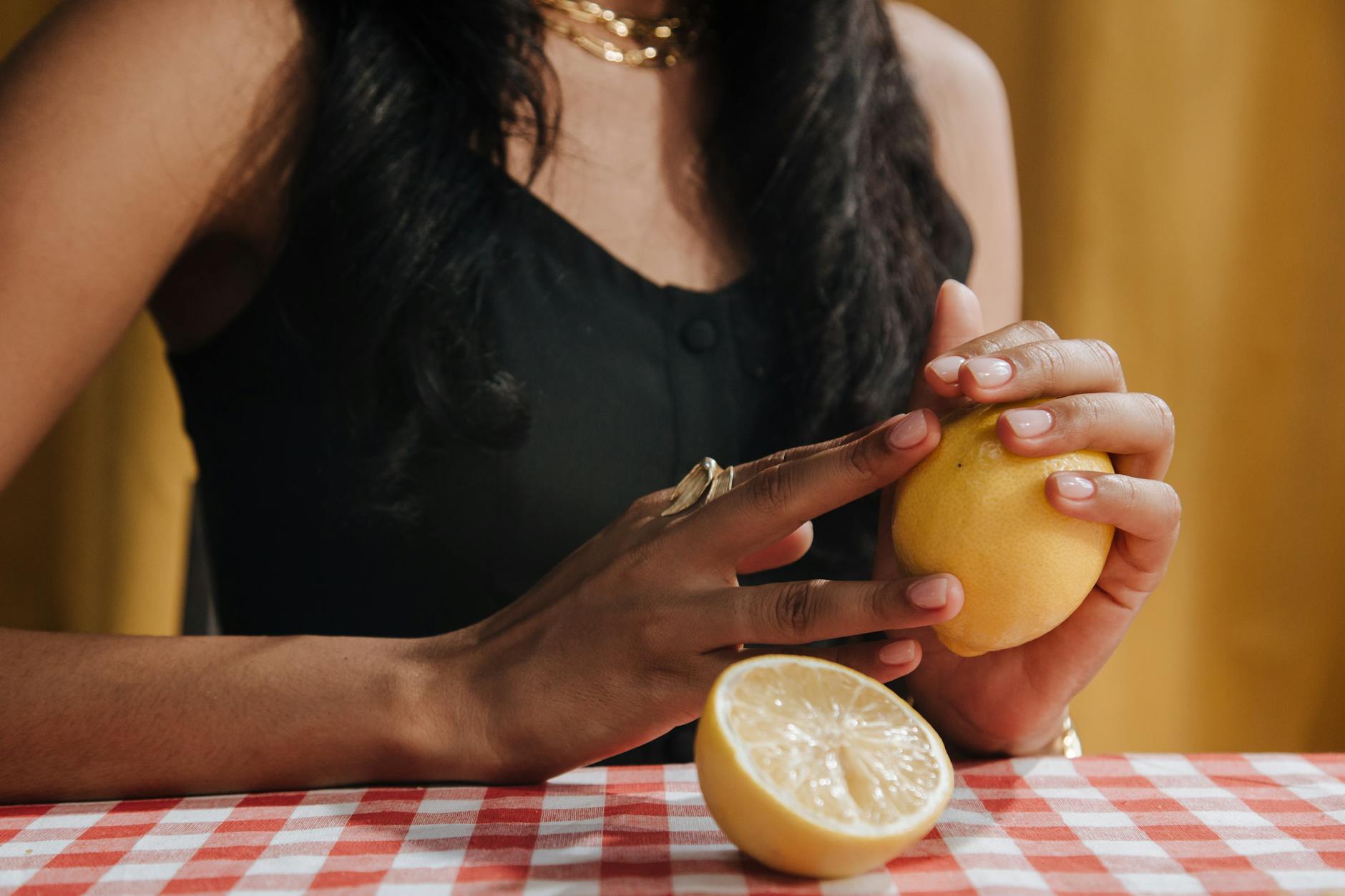
Here's what therapy actually did to your nervous system
Couples therapy doesn't fix your vibrator. It fixes you. And that changes everything about how you use one.
When you enter therapy, you're usually carrying tension you didn't even know was there. Defensiveness. Old resentments. The low-level bracing that happens when you're not sure if your partner is truly safe. That tension lives in your nervous system, and it absolutely shows up in your body during sex. Your muscles clench. Your arousal builds slower. Orgasm feels distant, even when all the physical conditions are right.
Then you do the work. You learn to communicate. You practice vulnerability with someone who's learned to receive it without judgment. Your nervous system gradually downshifts from threat-detection mode to something closer to rest-and-digest. That shift is the real magic. And once it happens, your lemon clitoral vibrator might feel like a completely different device.
What actually changed (it's not the toy)
Nothing about your lemon vibrator's suction power or intensity patterns changed. What changed is your baseline arousal state when you pick it up.
Think of nervous system activation like a volume dial. Before therapy, you're starting at a 6 out of 10. You're already managing old conflict, unspoken expectations, or the background hum of not quite trusting your partner's enthusiasm. Your body needs to work harder to get to arousal because it's already expending energy on vigilance.
After couples therapy, if it worked, you're starting at a 2 or 3. You're not managing threat. Your body can actually relax into stimulation. This means a lemon suction toy that felt lukewarm before suddenly feels electric. You're not comparing sensations across a field of static. The signal gets clearer.
This is measurable stuff. Heart rate variability improves. Cortisol drops. The vagus nerve, which regulates both your ability to rest and your capacity for pleasure, becomes more responsive. That's neurobiology, not sentimentality.
Why suction toys specifically respond to this shift
Air-suction toys like the Lem vibrator work through nerve stimulation, not friction. That distinction matters here because they require a specific kind of receptivity to work well.
Traditional vibrators work partly through persistence. You can be somewhat tense and still feel them. Suction toys are more like a question your body needs to answer. They work best when you're genuinely relaxed enough to let the sensation build. Before therapy, many people find themselves gripping, bracing, fighting the sensation slightly because they're not fully present.
After therapy, when you've learned to soften into discomfort and actually ask for what you want, suction toys start working the way they're designed to. You're not fighting them. You're not waiting for them to prove themselves. You're meeting them halfway. That collaborative quality changes the entire experience.
Many of my clients report that lemon vibrators feel more intense after therapy, not because they've become more physically sensitive, but because they've stopped dampening the sensations through tension. It's like turning up the volume when you've finally removed your finger from your ear.
The communication piece matters as much as the sensation
Here's the part that surprised a lot of my clients: pleasure got better not just during solo sessions, but together.
Couples therapy teaches you how to name what you want without shame. That skill transfers directly to intimate moments. Instead of hoping your partner notices that you like a slower warm-up, you say it. Instead of pretending an intensity level feels good when it doesn't, you communicate in real time.
When you're using a lemon clitoral vibrator with a partner, that communication becomes the container for everything else. Your partner learns exactly what makes you respond. You learn to receive attention without managing their feelings about your pleasure. You're not performing. You're actually present.
That presence is contagious. Partners who've been through couples therapy together often find that shared vulnerable moments during sex feel safer than they ever have. And safety creates the conditions for actual sensation. It's a virtuous cycle.
The timing shifts you might notice
Before therapy, arousal often feels like you need to force it. You know the pattern: some stimulation, then you have to manually push yourself across that threshold into real arousal. It takes forever.
After therapy, arousal often feels more spontaneous. Your body trusts the process more. The lemon vibrator that used to take 20 minutes to get you somewhere might take 12. Not because the toy got faster, but because your nervous system got more cooperative.
Some people also notice they want longer warm-up times now, not shorter. That's not regression. That's your body finally feeling safe enough to want to savor the process instead of rushing toward a finish line. The quality of the experience shifts from transactional to connected.
If you're using lemon sexual toys with a partner, this timing shift matters a lot. Talk about it. "I need more time to warm up" or "I'm ready faster now" both communicate something valuable. Let your partner adjust their rhythm to your actual body, not the version of your body they thought they knew.
When old patterns try to come back (and they will)
Therapy is not a permanent fix you install once and forget about. It's a practice. And old defensive patterns have a way of trying to resurface when you're stressed, tired, or when conflict happens again.
You might notice that on weeks when you've had a fight or when external stress is high, your lemon clitoral vibrator doesn't hit the same. Your body has shifted back into a slightly defended state. That's normal. It's also useful information. It tells you something about where you and your partner are in your cycle of safety.
The good news: you now have tools to get back. You know how to communicate. You know how to re-establish connection. And you know that your nervous system will respond once you do. That knowledge itself is grounding.
Rebuilding pleasure after rupture
Many couples find that after therapy, they actually want to rebuild their sexual connection from scratch. The old version felt disconnected. You want something new.
This is where lemon adult toys become useful tools for exploration rather than bandages for a broken connection. You're not trying to recapture what used to work. You're discovering what works now, in this new version of your relationship where you actually communicate.
Try using a lemon vibrator as a conversation piece. What sensations feel good now? What's different from before therapy? Does your partner want to explore with you? Are there things you've been curious about but never asked for?
That openness is what therapy creates. And devices like clitoral vibrators become a way of staying curious together instead of defaulting back to old patterns.
The longer arc
Here's what I see happen with couples who've done real therapy work and give themselves permission to explore pleasure: their intimacy deepens over time instead of fading.
Early in relationships, novelty and chemistry often drive sensation. Then life happens. Kids, work, conflict, misunderstandings. Sensation flatlines. Couples either accept that as normal or they try to fix it by introducing more intense stimulation or novelty.
But the real fix is always relational. When you address the emotional distance, the sexual distance usually follows. And when you add tools like lemon vibrators to a relationship that's actually connected, those tools genuinely enhance rather than compensate.
Your lemon suction toy isn't different because you went to therapy. You're different. And that difference makes everything about pleasure feel fresher.
FAQ: Your questions about pleasure and therapy
Why does therapy make arousal easier?
Therapy reduces the baseline activation of your threat-detection system. When your nervous system isn't managing conflict or defensive patterns, it has energy available for actual sensation and pleasure. Arousal requires a certain state of ease, and therapy creates that state.
Can couples use lemon vibrators together if we haven't done therapy?
Absolutely. But you might notice that therapy creates a particular kind of openness and trust that makes shared pleasure feel different. If you're considering couples therapy anyway, knowing that it can enhance intimacy is a bonus.
What if pleasure got worse after therapy, not better?
This happens. Sometimes therapy surfaces conflict that needs processing before pleasure can return. Or sometimes you realize you want different things than your partner, and that realization needs to be worked through. Talk to your therapist about it. This is exactly what they're trained for.
How long does it take for the nervous system shift to show up in pleasure?
It varies. Some people notice changes within weeks. Others need months of consistent therapy work before their body fully softens. Trust the process. The changes are happening even if you can't feel them immediately.
Should we be using lemon vibrators with a partner or separately?
Both have value. Solo use helps you reconnect with your own body and what feels good without managing your partner's experience. Together, it can deepen connection and communication. There's no right answer. What matters is that you're choosing consciously.
What if we used toys a lot before therapy and now we don't want to?
That's also normal and valuable information. Sometimes increased intimacy and communication reduce the need for external stimulation. Other times people find they want them in a different way. There's no hierarchy. If you're both satisfied, you're good.
The real work starts now
Therapy gives you the nervous system capacity for deeper pleasure. But you have to actually use it.
That might mean scheduling time for intimacy instead of waiting for spontaneous desire. It might mean trying a lemon clitoral vibrator you've been curious about. It might mean having an awkward conversation about what you actually want instead of what you think you should want.
It definitely means showing up vulnerably. Pleasure, real pleasure, requires the same courage that brought you to therapy in the first place. You've already done the harder work. Your body just needs permission to follow.
If you're navigating relationship shifts and want to explore what works for your body now, reach out. We can talk through what you're experiencing and what might help you feel more connected to yourself and your partner. Pleasure after therapy is a different animal. It's worth exploring intentionally.
Connect with us to discuss how to rebuild intimate connection after therapy or major relationship transitions.