Here's what nobody tells you about dilators and clitoral sensation
You start dilator therapy for one reason. Your pelvic floor is tight, or vaginismus, or recovery from pelvic floor dysfunction is going slower than expected. Then, somewhere around week two or three, you pick up your favorite lemon vibrator and notice something strange. The sensation is different. Not worse, not better, just... shifted. Your brain expects one thing. Your body delivers another.
This isn't random. This is actually predictable neuromuscular physiology, and understanding it changes how you approach both the dilators and the vibrator together.
What dilator therapy actually does to pelvic tension
A dilator works by gently stretching the pelvic floor muscles over time. Your vaginal opening and the surrounding tissues have been held in a protective tension state. The dilator says, "Okay, I'm going to slowly teach these muscles that they're safe to relax." Over weeks, neural pathways adjust. The muscles learn a new baseline.
Here's the part that matters for pleasure: as your pelvic floor relaxes, the tissue around your clitoris becomes less guarded. There's less compensatory muscle tension in the surrounding structures. For some people, this means the clitoris becomes more easily accessible to stimulation. For others, it means stimulation that previously felt numb or muted suddenly registers more clearly.
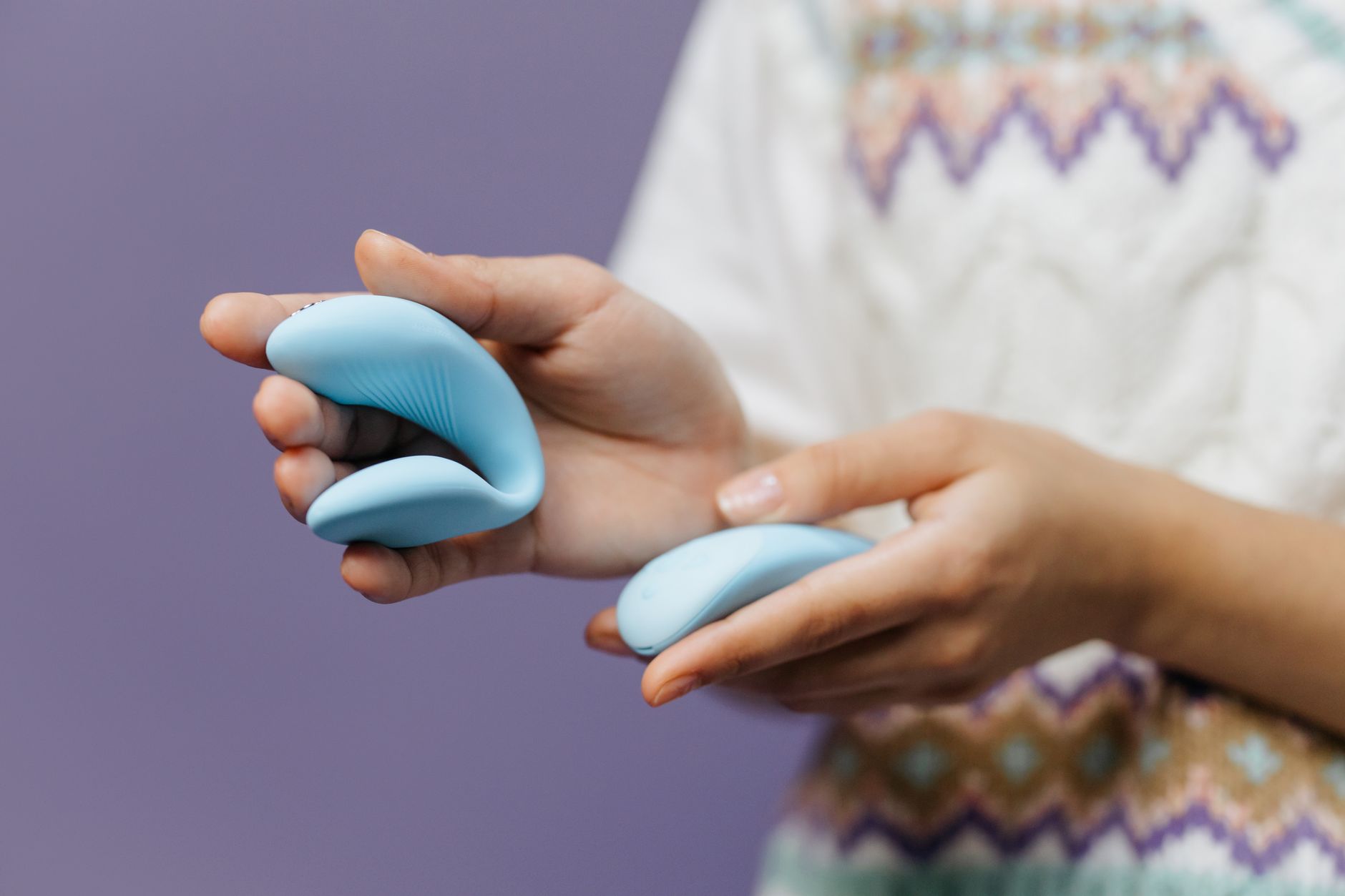
The lemon clitoral vibrator's suction mechanism works by creating consistent pressure and release cycles. When your pelvic floor is chronically tight, that pressure sometimes gets swallowed up by muscle tension. The sensation diffuses. When the pelvic floor starts to release, the same vibrator can feel more focused, more direct, sometimes almost sharper.
The timing problem: when dilator use and vibrator use collide
If you use a dilator and then reach for a lemon vibrator within an hour or two, you're asking your pelvic floor to do two very different things at once. The dilator says, "Relax and stretch." The vibrator says, "Wake up and engage." That cognitive dissonance translates into sensation that feels muted, delayed, or asymmetrical.
Most of my clients find that the sweet spot is either several hours apart or on completely different days. Dilator work first thing in the morning, lemon vibrator in the evening once the nervous system has recalibrated. Or dilators Monday, Wednesday, Friday. Vibrators on off days.
The other timing variable is where you are in your pelvic floor cycle. If your dilator sessions are releasing tension, your nervous system is in a parasympathetic state. Arousal requires a shift toward sympathetic activation. That takes 10 to 15 minutes minimum, sometimes longer if you're newly attuned to your body's signals.
Why sensation can feel numb right after dilator use
Dilators work partly through neural desensitization. You're teaching your nervous system that gentle vaginal pressure is safe. This desensitization isn't permanent, but in the hours immediately following a dilator session, your clitoral nerves are less reactive. It's not injury. It's fatigue.
Think of it like a tight muscle that's just had a good stretch. It feels tired. Neural tissue responds similarly. If you're using a lemon suction toy within two hours of a dilator session and finding that you need higher intensity to feel anything, this is why.
The fix isn't to push harder with the vibrator. That can create new tension patterns and defeat the purpose of dilator work. The fix is patience. Use your lemon vibrator when your pelvic floor has had time to integrate the dilator work, not immediately after.
When sensation becomes hypersensitive instead
For some people, the opposite happens. As pelvic floor tension releases, clitoral stimulation becomes almost too sharp. The suction from a lemon clitoral vibrator that felt perfect three weeks ago now feels like too much intensity.
This is actually a positive sign. It means your nervous system is waking up. You're becoming more sensitive to actual pleasure signals rather than fighting through tension to feel anything. The response is straightforward: start at lower intensity settings. Move back to patterns one or two instead of jumping to your usual setting. Give your sensitivity time to recalibrate.
How dilator progression changes what your body needs from a vibrator
As you move through dilator sizes, your pelvic floor's baseline tension drops in stages. Small dilator to medium dilator is one threshold. Medium to large is another. Each progression is like turning down the volume on background noise.
When you cross into a new dilator size, your clitoral vibrator expectations might need to shift too. You might discover that patterns you've never been interested in suddenly feel amazing. You might find that the suction rhythm needs adjusting. You might want more direct clitoral contact instead of the broader stimulation you preferred when pelvic tension was high.
This isn't a problem with the vibrator or the dilators. It's evidence that your nervous system is learning something new about your body. Pay attention to what shifts. Your preferences are data.
Combining dilators and lemon vibrators for integrated pleasure
If you want to use both tools in ways that actually build on each other rather than compete, the framework is simple. Build your week around the dilator schedule first. If you're doing dilators three times a week, those are anchors. Your lemon vibrator sessions go in the gaps.
On the day you use a dilator, wait at least four to six hours before introducing vibration. Better still is to separate them completely. Dilator work in the morning, vibrator exploration in the evening of a different day.
When you do use the vibrator after dilator work, start slower than you normally would. Spend more time on lower intensity patterns. Let your nervous system confirm that this is pleasure, not threat. As dilator work progresses and your pelvic floor releases further, you might find you want to return to higher intensity. That's fine. You're not locked into any setting.

Photo by Madison Inouye on Pexels
The role of arousal baseline during dilator therapy
Here's something rarely mentioned: dilator therapy often lowers your overall arousal baseline in the short term. You're neurologically busy. Your pelvic floor is processing change. Your brain's capacity for sexual attention is partially occupied.
If you're accustomed to getting aroused quickly with your lemon vibrator, dilator therapy might mean you need longer warm-up time. Twenty minutes instead of ten. More psychological setup. More fantasy or partner attention to get your nervous system into the right state.
This is temporary. As your pelvic floor stabilizes at its new, more relaxed baseline, arousal typically becomes easier again. But in the early weeks of dilator therapy, expecting the same speed is setting yourself up for frustration.
When to check in with a specialist
If you're several weeks into dilator therapy and vibrator sensations are getting worse instead of better, or if you're experiencing pain rather than just sensation change, that's a signal to loop in a pelvic floor physical therapist. They can assess whether you're progressing dilator sizes appropriately and whether your nervous system needs some additional support.
Similarly, if you're attempting to use lemon vibrators and dilators together and finding that it's creating new tension or discomfort, that's worth professional feedback. Pelvic floor PT is evidence-based and often transformative for figuring out the integration.
FAQ
Can I use a lemon clitoral vibrator during dilator therapy?
Yes, but not at the same time. Separate them by at least four to six hours, or better yet, use them on different days. Dilators work by releasing pelvic floor tension while vibrators work by engaging it. Doing both simultaneously creates competing signals in your nervous system.
Why does my lemon vibrator feel numb after using a vaginal dilator?
Dilator use causes temporary neural desensitization as your pelvic floor releases tension and your nervous system adjusts. This is normal and temporary. Your clitoral nerves need recovery time before they're fully responsive again. Waiting several hours or trying the vibrator the next day usually resolves this.
Should I use my lemon suction toy before or after dilator work?
Neither is ideal on the same day. If you must use them sequentially, dilator first, then vibrator at least six hours later. Most people find that dedicating separate days to each tool works best. Your nervous system needs time to integrate the changes.
Does dilator therapy make clitoral vibrators feel different permanently?
No. As your pelvic floor releases and stabilizes at its new baseline, vibrator sensation normalizes. What might feel initially muted or hypersensitive typically resolves within a few weeks as your body acclimates. The shift you notice early on is usually temporary.
Why is my lemon vibrator suddenly too intense after I started dilators?
As pelvic floor tension releases, your nervous system becomes more sensitive to sensation. What felt right when you were holding tension now feels like too much. This is positive progress. Adjust by using lower intensity settings or patterns you haven't explored before. Your sensitivity will stabilize as you adapt.
Can using a vibrator during dilator therapy speed up the process?
Not directly. In fact, combining them in the same session can work against dilator benefits by re-engaging pelvic floor tension. The most effective approach is to let dilators do their work on their schedule, and keep vibrator pleasure sessions separate. They complement each other best when they're not competing.
The takeaway: your body's changing signals are valuable data
When you're working with dilators, your pelvic floor is literally rewriting its baseline tension patterns. Your lemon vibrator isn't broken. Your nervous system is just processing something big. The sensation shifts you notice aren't problems to fix. They're feedback about what your body is learning.
Listen to what feels different. Adjust your timing and intensity accordingly. If something feels off or painful, check in with a pelvic floor specialist. And remember: dilators and vibrators can absolutely coexist in your pleasure practice. They just work better when you give them space to do their jobs separately, then come back together when your nervous system has time to integrate.
Have more questions about combining tools or understanding your pelvic floor? We're here to help. Get in touch.