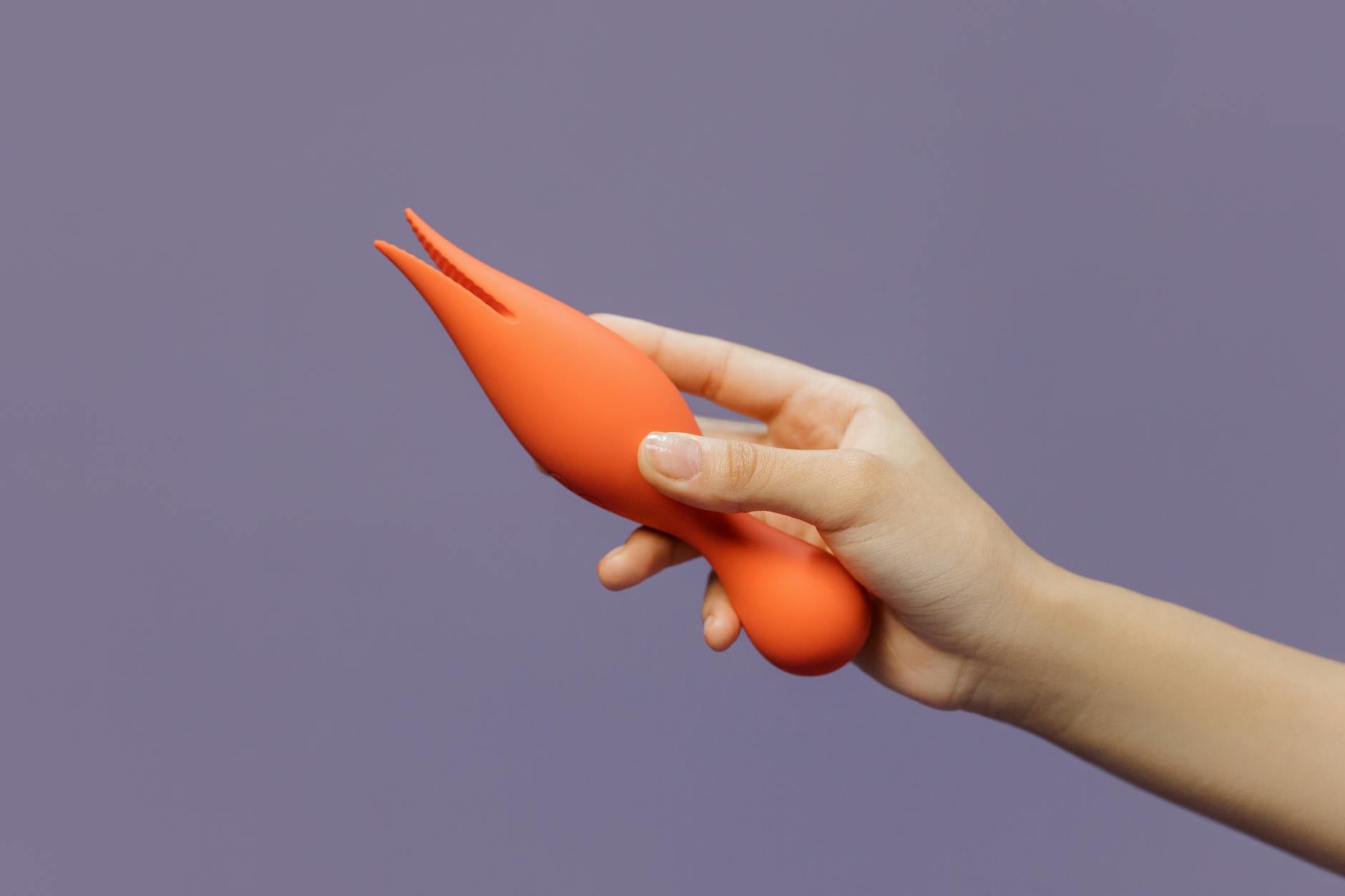
Here's the thing about lubricant and clitoral vibrators
Lubricant doesn't just help things glide. It fundamentally changes how your body receives stimulation from your lemon vibrator. The sensation shifts, the intensity profile changes, and the entire arc of arousal can be different. Most people either skip lube entirely or assume it's just "helpful" without realizing it's actually rewriting the experience.
That matters, especially if you've been using a lemon clitoral vibrator without it and wondering why the experience feels one-dimensional. Spoiler: it probably isn't the vibrator.
What actually changes when you add lubricant
When you use a lemon vibrator against dry tissue, friction is high and direct. The toy's surface makes full contact with the sensitive skin of your clitoris, and because there's resistance, you feel the vibration pattern very clearly. It can feel intense. It can also feel sharp.
The moment you introduce lubricant, three things shift simultaneously.
First: friction drops. The lube creates a buffer between your skin and the vibrator's surface. The toy doesn't grip the same way. This means stimulation feels smoother and more diffused instead of concentrated at one point.
Second: pressure distributes. Without lube, the vibrator can press hard against tissue because friction holds it in place. Lubricant reduces that anchor point, so pressure spreads across a wider surface area. This is why adding lube often makes stimulation feel gentler even if you're using the exact same intensity setting.
Third: the vibration travels differently through tissue. This is the part most people miss. Lubricant is a conductor. Vibrations transmit through it differently than they would through air or direct contact. You may feel the vibration traveling deeper into the clitoral body rather than just at the surface. For some people, this feels more pleasurable. For others, it feels less direct.
Why this matters for pleasure
If you've been using a clitoral vibrator without lubricant, you're likely experiencing stimulation that's high-frequency and localized. It can build arousal quickly, but it can also feel fatiguing after a few minutes because the intensity never really changes. Adding lube transforms that experience into something that feels more continuous and less sharp.
This is especially relevant if you're someone who bruises easily, has sensitive tissue, or finds direct clitoral stimulation uncomfortable. Lubricant isn't a workaround for pain. But it does change the character of sensation in a way that might make the experience more sustainable and pleasurable.
For partners, lubricant also affects what they feel. If you're using a lemon vibrator during partnered sex or foreplay, the slickness changes the toy's movement on your body, which means different feedback for them and a different experience for you simultaneously.
The texture question: water-based versus silicone
Not all lubricants behave the same way with clitoral vibrators. Water-based lubes are lighter. They provide slip without adding much viscosity, so stimulation stays relatively crisp. You still feel the vibrator's pattern clearly, but the pressure is distributed and the friction is gone.
Silicone-based lubes are thicker and more cushioning. They create a more substantial buffer between your skin and the toy. Vibrations travel through them differently. You might feel a deeper, more diffused sensation. The tradeoff: silicone lubes last longer, which some people love and others find overstimulating because sensation never really resets.
Here's what matters: if you're using a lemon vibrator made of silicone (which most modern clitoral vibrators are), stick with water-based lube. Silicone lubricant can degrade silicone toys over time. It seems counterintuitive, but water-based is both safer and actually more versatile.
The warm-up effect
One thing that shifts dramatically when you add lube is how your body responds to warm-up time. Without lubricant, stimulation builds quickly because friction creates intensity. With lube, arousal often takes slightly longer to build, but the plateau feels more stable.
This is why some people report that using their lemon vibrator with lubricant requires patience they didn't think they needed. The intensity isn't hitting as hard or as fast. That doesn't mean it's less effective. It usually means it's more sustainable and less likely to lead to overstimulation.
If you're partnered, this is also where communication matters. If you've been using a lemon vibrator without lube, you're used to a particular arc of sensation. Adding lubricant changes that arc, and if your partner doesn't understand why the experience feels different, they might assume something is wrong. It's not. It's just different.
Application technique changes everything
How you apply lubricant matters as much as the type you choose. Most people put it on the vibrator and go. That works, but it's not optimal.
Try this instead: apply a small amount directly to your clitoris first, then use the vibrator. This gives your body time to warm up before the vibration starts, and it means the lube is distributed across the tissue before the toy makes contact.
For a second application mid-session, add more to the vibrator rather than directly to your body. Reapplying directly can feel jarring and cool, which interrupts the momentum.
One more note: more lubricant doesn't equal more pleasure. It equals more slip, which can actually make it harder to feel the vibration pattern. Start with a dime-sized amount and add more only if you need it.
When to skip the lube
Lubricant isn't universally necessary. If you're naturally lubricated during arousal, you might not need additional lube at all. If you find that lube makes stimulation feel too diffuse and you prefer sharp, localized intensity, don't force it.
Skipping lube is fine if that's what feels good. But if you've never tried it or tried it once and dismissed it, consider giving it another shot with intention. <a href="/blog/lemon-vibrator-for-beginners-first-time-guide">Beginners exploring lemon vibrators</a> sometimes assume the toy itself isn't right for them when really they just haven't found the right lubrication strategy.
Lubricant and your clitoral sensitivity over time
Here's something clinically interesting: using lubricant can actually help maintain clitoral sensitivity if you're a frequent vibrator user. Without lube, repeated direct stimulation can sometimes desensitize tissue over time. The constant friction and pressure create a kind of accommodation where you need more intensity to achieve the same sensation.
Lubricant reduces that accommodation by distributing pressure and lowering friction. This is why some partners notice that the person using the vibrator seems to need less intense settings when they introduce lube. The tissue isn't working as hard to register the sensation.
This also matters if you've been experiencing <a href="/blog/how-to-recover-from-lemon-vibrator-soreness-after-first-use">soreness after vibrator use</a>. Lubricant can reduce mechanical trauma to tissue, which means faster recovery and less likelihood of irritation building up over time.
FAQ: Lubricant and lemon vibrators
Should I use lubricant every time I use my lemon vibrator?
No. Use it when it feels good and skip it when it doesn't. That said, if you're experiencing discomfort, pressure sensitivity, or feel like you need higher and higher intensity to feel anything, try introducing lubricant. It might shift the experience in a way that solves the problem without requiring you to change settings or buy a new toy.
Can I use coconut oil with my lemon clitoral vibrator?
Not with a silicone toy, which is what most lemon vibrators are. Coconut oil is a natural oil, and oils degrade silicone over time. Stick with water-based lube, which is designed specifically for use with silicone toys and won't compromise the material.
Why does my lemon vibrator feel less intense when I use lubricant?
Because lubricant reduces friction and distributes pressure. You're not getting less stimulation. You're getting distributed stimulation instead of concentrated stimulation. For some people, that's less intense. For others, it's actually more effective because it allows arousal to build more gradually without overstimulation.
Does using lubricant with my lemon vibrator wear it out faster?
No. Water-based lubricant is designed to be used with silicone toys. It won't damage the material. Proper cleaning after use (which you should do regardless) will keep your toy in great condition. If anything, lubricant might extend the lifespan by reducing friction-related wear on the surface.
Can I use the same lubricant with a partner if we're using a lemon vibrator together?
Yes, absolutely. Water-based lubricant is safe for all skin and compatible with all materials. If you're using a lemon vibrator during partnered sex, lubrication helps with comfort for both of you and changes the sensation in ways some couples find really pleasurable.
What if lubricant makes stimulation feel too numb or diffuse?
Then don't use it. The goal is pleasure, not adherence to a rule. Some people genuinely prefer the sensation without lube. The key is knowing you have the choice and understanding what each approach delivers so you're making that choice intentionally rather than by default.
The bottom line
Lubricant changes how your body receives vibration from a lemon vibrator. It's not a minor detail. It's a variable that can completely reframe an experience that wasn't working. If your lemon clitoral vibrator doesn't feel right, before you assume it's the toy, experiment with water-based lubricant and pay attention to what shifts. Odds are, something will.
If you have other questions about technique, toy compatibility, or how lubricant affects different clitoral vibrators, <a href="/contact">reach out to Hello Nancy</a> and we'll help you sort it. Your pleasure matters, and sometimes the answer is simpler than buying something new.