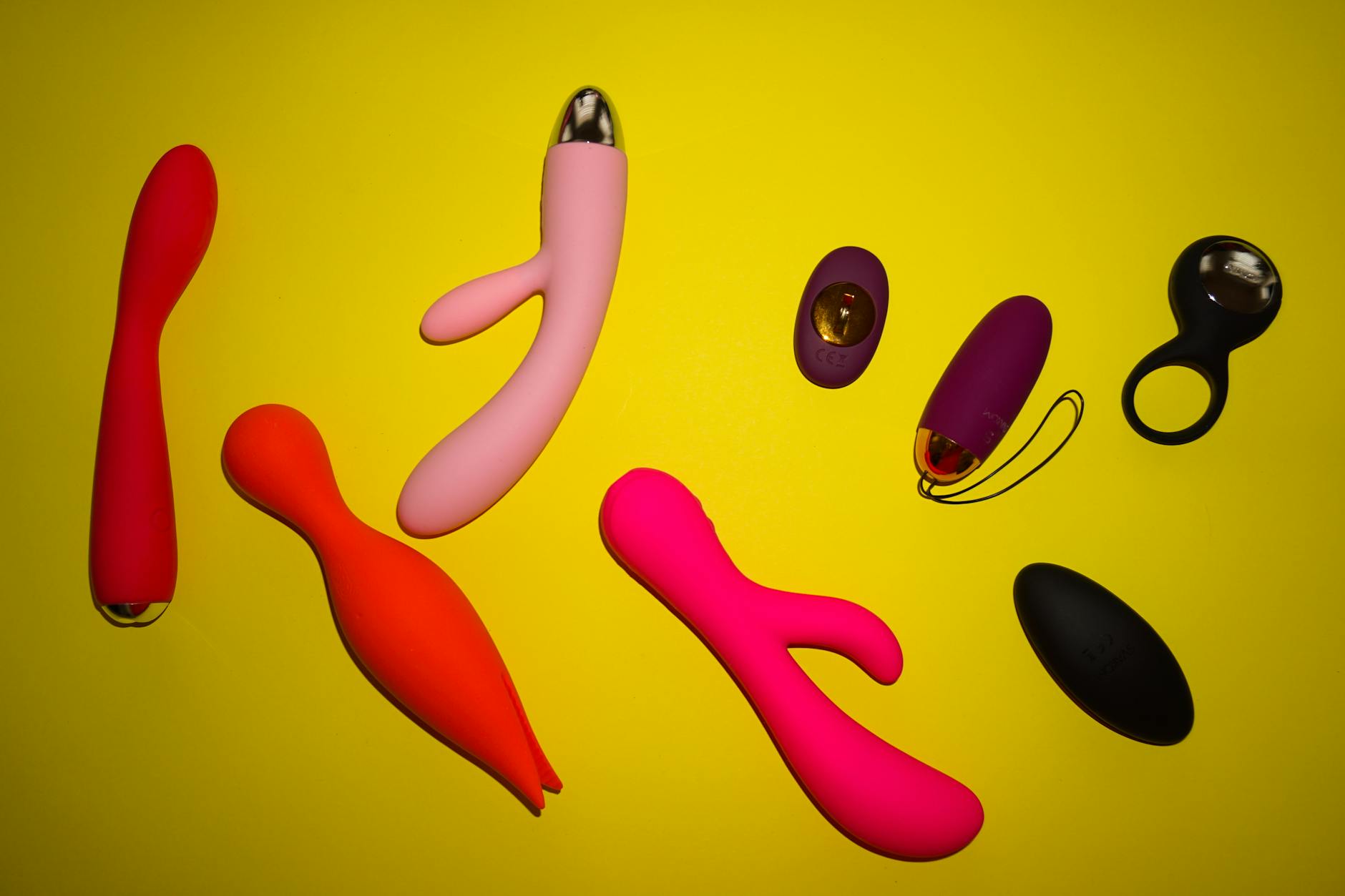
Your body isn't betraying you
You know how a Lemon vibrator feels solo. The intensity, the pattern, the exact moment of release. Then you introduce it to a new partner and suddenly everything shifts. The suction feels different. Your arousal takes longer to build. Sometimes you can't finish at all. You might assume something is wrong with you, the device, or the relationship. None of those things are true.
What's actually happening is your nervous system is doing exactly what it evolved to do: scan for safety when you're vulnerable with someone new.
The nervous system's role in sensation
Most people think pleasure happens between your legs. It doesn't. It happens in your brain and your nervous system, which is why the exact same Lemon clitoral vibrator can feel radically different depending on who's in the room.
When you're alone, your parasympathetic nervous system (the rest-and-digest mode) is running the show. Your body is in control. Blood flows exactly where it needs to go. Your pelvic floor is relaxed. Arousal builds in a predictable arc.
When a new partner is present, even if you trust them, your sympathetic nervous system kicks in. This is the fight-or-flight response, the one that kept your ancestors alive. It's not voluntary. Your body literally cannot tell the difference between "threat" and "vulnerability with someone new." Both feel dangerous on a biological level.
What happens next is predictable: your blood vessels constrict slightly, your pelvic floor tenses, your brain diverts resources from pleasure pathways to threat-assessment pathways. Your lemon vibrator is still working exactly the same way. Your body is working completely differently.
Why the first time feels like friction instead of flow
Three neurological shifts hit simultaneously when you introduce a clitoral vibrator to a new partner scenario.
Cognitive load skyrockets. You're not just experiencing sensation anymore. You're thinking about whether you look good, whether your partner is judging you, whether you'll orgasm on command, whether the timing is right, whether this is weird. Each of those thoughts is a tiny interrupt signal to your nervous system. Your brain can't focus on pleasure when it's running a parallel process called "Am I being perceived as weird right now?"
Your pelvic floor contracts involuntarily. Tension in the pelvic floor reduces sensation because the muscles that normally create pleasurable tension are already tense from anxiety. When you use a lemon sexual toy alone, that muscle engagement is under your control. With a partner, it's a defensive reflex. You feel less intensity because the tissue itself is guarded.
Arousal timing changes. Alone, your body has learned a rhythm over years. With a new partner, that rhythm is completely unfamiliar. You might need twice as long to warm up. You might need different pressure. You might need silence instead of sound. Your lemon adult toy hasn't changed. The conditions under which your body operates have.
What first-time partner use actually looks like
I want to normalize what you might be experiencing because I see this so often in practice.
Scenario one: You've used the Lem vibrator alone a hundred times. You bring it to bed with a new partner and suddenly the suction that usually brings you to orgasm in eight minutes takes twenty. Or thirty. Or doesn't happen at all. Your partner thinks you're not into them. You think there's something wrong with your body. Reality is simpler: your nervous system is in yellow alert and your parasympathetic tone is offline.
Scenario two: You can orgasm, but it feels muted. Like you're experiencing it through a layer of cotton. The intensity is there but the emotional resonance is missing. You feel disconnected from the sensation even though the lemon clitoral vibrator is doing exactly what it always does. This happens because pleasure requires presence, and presence requires nervous system safety.
Scenario three: You're worried the whole time that something is wrong, which creates a feedback loop where your anxiety about your body's response becomes the actual barrier to pleasure. The vibrator works fine. Your body works fine. Your nervous system is just doing overtime.
How to shift from sympathetic to parasympathetic
You can't logic your nervous system into relaxation. But you can create the conditions for it to downregulate. Here's what I recommend.
Start with conversation, not the device. Before you introduce a clitoral vibrator, talk about it. Not during sex. Before. Tell your partner you want to try something, that you're a little nervous, that you need them to be patient. This simple act signals safety to your brain because you're not hiding. Shame and secrecy keep the nervous system activated. Honesty disarms it.
Do a solo run first. Use your lemon vibrator alone the night before or the morning of. Let your body remember what pleasure feels like. This primes your nervous system to recognize the sensation when it comes again, even under different conditions.
Dim the lights and close the door. Literally reduce sensory input from the environment. Less visual stimulation means your threat-detection system has fewer variables to process. Your nervous system can focus on safety cues from your partner instead of cataloging everything else in the room.
Build arousal before you introduce the toy. Ten minutes of kissing, touch, or whatever foreplay actually turns you on matters more than you think. You want to be genuinely aroused before the vibrator enters the picture. That way, you're adding to existing pleasure rather than trying to create it from a cold start while someone is watching.
Tell your partner exactly what you need. "Slower," "just stay there," "I need quiet," "keep kissing me," "don't watch me right now." Specific requests are not a mood killer. They're the difference between an experience that feels safe and one that triggers performance anxiety. The lem vibrator works better when you're not braced for judgment.
The timeline most people don't expect
First time with a new partner using a clitoral vibrator: usually slower, sometimes no orgasm, normal anxiety. Second time: still a little self-conscious, but your nervous system recognizes the safety cues from last time. Third or fourth time: your body starts to relax because it has a pattern now. By the fifth or sixth time, your lemon sexual toy often feels almost like it does solo, except better because there's another person there and you're not carrying the weight of novelty anymore.
The magic isn't in the device. It's in the repetition of the experience going well, which teaches your nervous system that vulnerability with this person is safe. Your body learns to trust. That takes time.
When to bring it up versus when to just introduce it
This depends entirely on your relationship style and your partner's familiarity with sex toys. Some people want a huge conversation. Some people prefer you just pull it out when you're already intimate. Both are fine as long as it's consensual.
What matters: make sure your partner knows you want feedback too. "Did that feel good for you? What did you think?" turns the moment into collaboration instead of performance. This is the single fastest way to downregulate performance anxiety.
The difference between first time and first time with THIS person
If you've used lemon adult toys with previous partners, introducing one to a new partner is different. You have the experience and the confidence. You might assume your body will just know what to do. It won't, at least not at first. Each partner is a new nervous system reset because the safety cues are different. Their touch, their breathing, their energy, the way they respond. You're not starting from zero, but you're starting fresh.
That's not a regression. It's information. It means the device isn't the issue and your body isn't the issue. You're just building a new rhythm with a new person.
FAQ
Why does my lemon vibrator feel less intense when my partner is in the room?
Intensity perception is neurological, not physical. Your nervous system dampens sensation when it's in threat-detection mode. A new partner activates that mode automatically, even if you trust them. The device is the same. Your nervous system is running different software. As your body learns the partner is safe, sensation typically returns to normal.
Can anxiety about using a vibrator with a partner become permanent?
No. Anxiety about new situations is temporary. If anxiety persists after multiple positive experiences, that usually signals something else: concern about being judged, mismatched desires around toys, or a partner response that wasn't supportive. Those are relationship conversations, not body conversations.
Should I use my lemon clitoral vibrator alone first to "warm up" before being intimate with a new partner?
Ideally, yes. Solo use beforehand reminds your nervous system what pleasure feels like and can actually help your body recognize the sensation when it returns during partnered time. You're not cheating. You're priming your system.
What if my new partner wants to control the vibrator and I lose sensation?
Tell them. "I feel more sensation when I hold it" or "I'd rather guide this part" is not demanding. It's feedback. A partner who gets defensive about this isn't ready for partnered toy use. Full stop.
How long does it usually take before a clitoral vibrator feels normal again with a new partner?
Varies by person, but most people report a significant shift by the fourth or fifth partnered experience. If sensation doesn't improve after ten times, something else is happening. Talk to your partner or consult a sex therapist.
Is it normal to orgasm alone but not with a new partner using the same lemon vibrator?
Completely normal. It's not about the toy. It's about nervous system activation. The same tool works fine in a safe, familiar context. In a novel context with a new person, your parasympathetic system is offline. That's the variable, not the device.