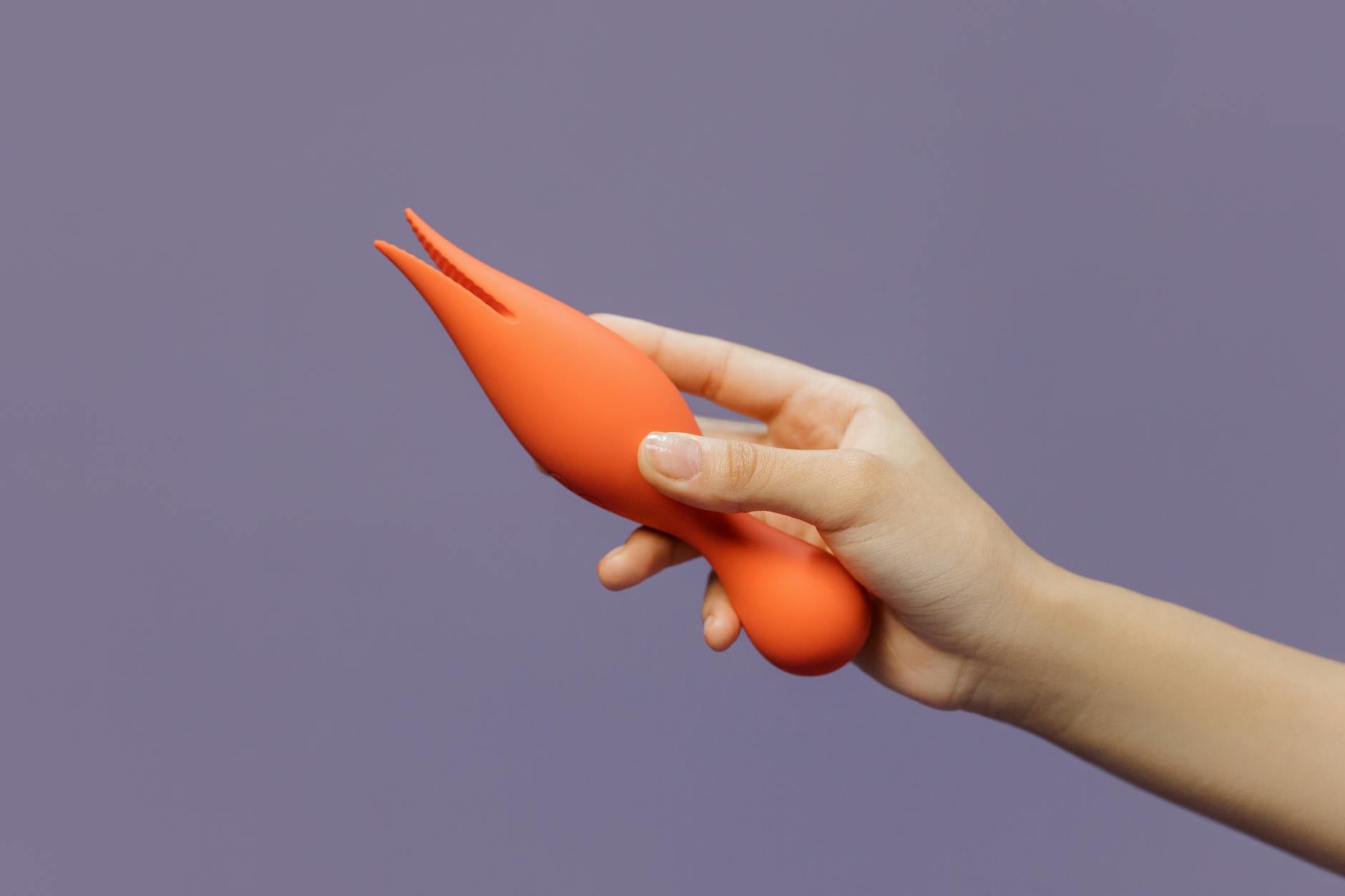
Why Lemon Vibrators Feel Different With Vaginismus
Let's be real. If you have vaginismus, penetration has probably felt like your body is working against you. That's because it literally is. Vaginismus is involuntary muscle tension in the pelvic floor, and it changes absolutely everything about how your body responds to touch, including clitoral stimulation.
The good news? Lemon vibrators and other clitoral suction toys can actually feel wildly different when you have vaginismus, and often in a better way. But only if you understand why.
What vaginismus actually does to your body
Vaginismus isn't psychological, and it isn't about not wanting penetration. It's a reflex. When your body perceives a threat to the vagina, the pelvic floor muscles involuntarily contract. This can happen even if your brain is completely fine with what's happening.
Think of it like a eye twitch or a gag reflex. You can't will it away. Your nervous system triggers it before your conscious mind has a chance to negotiate.
This involuntary tension does several things to your overall pleasure response:
- It makes your pelvic floor tight and restricted, which changes blood flow to the entire genital region
- It activates your sympathetic nervous system (the fight-or-flight response), which interferes with arousal
- It can make your entire pelvic floor feel raw or sensitive, even hours after a trigger
- It often radiates tension up into your lower belly, hips, and inner thighs
When you layer all of this together, you end up with a nervous system that is basically in lockdown. Which is why penetration feels impossible, but also why many things that should feel good don't.
Why clitoral vibrators bypass the pelvic floor problem
Here's where it gets interesting. The clitoris has its own nerve supply. When you stimulate the clitoris directly with a clitoral vibrator, you're accessing pleasure pathways that don't depend on your pelvic floor being relaxed.
Your clitoris has about 8,000 nerve endings, and they're wired directly to the pleasure centers of your brain. That's separate from the vaginal nerve supply, which is the part that's caught in vaginismus tension.
Lemon vibrators and air-suction clitoral vibrators work particularly well because they deliver stimulation through suction rather than vibration alone. This means they're not adding mechanical buzz that can feel overwhelming to an already-triggered nervous system. Instead, they're creating consistent, rhythmic pressure that your body often finds more bearable.
Many people with vaginismus report that suction feels "gentler" or "more contained" than traditional vibrators, even at higher intensity levels. That's because suction creates a seal and a steady pressure, rather than rapid mechanical movement.
The nervous system piece most people miss
Vaginismus isn't just a vaginal problem. It's a nervous system problem. Your sympathetic nervous system is stuck in a protective mode, and that interferes with arousal across your whole body.
Clitoral stimulation can actually help calm that nervous system response, but only if you approach it the right way. If you go for intense, rapid stimulation, you might trigger more tension. If you go for slow, steady pressure, you can actually help your nervous system downshift.
This is why the pattern and intensity settings on lemon vibrators matter so much when you have vaginismus. Lower patterns feel less jarring. Slower build-up feels less like an assault and more like something your body can welcome.
Some people find that using a clitoral vibrator while doing gentle pelvic floor relaxation work (like breathing exercises or light stretching) helps their nervous system recalibrate. Your clitoris is literally rewiring the signal, while your breath is telling your pelvic floor it's safe to release.
What changes about pleasure with vaginismus
If you have vaginismus, you might notice that orgasms feel different. They might be harder to reach, or they might feel more contained to the clitoris rather than radiating through your whole body.
That's not a problem. It's just a different experience.
Some people with vaginismus find that clitoral-only orgasms are actually more intense and satisfying than they expected, because there's no competing tension pulling their attention away. Your pelvic floor isn't fighting you, so your brain can focus entirely on the pleasure.
Others find that arousal takes longer to build, or that they need specific conditions to feel turned on at all. That's also completely normal. Your nervous system is working overtime, and it might need extra reassurance before it believes it's safe to be sexual.
How to use a lemon vibrator when you have vaginismus
Four things I recommend to almost every client with vaginismus who wants to explore clitoral vibrators:
Start with the lowest intensity. Your nervous system is already on high alert. You don't need to prove anything with high intensity. Let your body warm up slowly to the sensation. You can always increase intensity later.
Use water-based lubricant even though it's just external stimulation. Lubrication reduces friction, which reduces the risk of irritation. Irritation can trigger pelvic floor tension all over again. Plus, the ritual of applying lube can be a calming, permission-giving act for your nervous system.
Breathe through it. This sounds simple but it matters. When your pelvic floor tenses, people often hold their breath. If you focus on slow, deep breathing while using a clitoral vibrator, you're actively telling your sympathetic nervous system to downshift. Inhale for four counts, exhale for four counts.
Stop if you feel pelvic floor tension increasing. If your pelvic floor starts clenching, pause. Don't keep going. That tension is information. Your nervous system is saying "I need a break." Honor that. You can always come back to it later.
The role of pelvic floor physical therapy
Vaginismus usually needs more than just a vibrator. Pelvic floor physical therapy is genuinely life-changing for most people with vaginismus, and it works beautifully alongside using clitoral toys.
A pelvic floor physical therapist can teach you how to relax (not strengthen) your pelvic floor, help you understand your specific triggers, and guide you through gradual desensitization work. It's not quick, but it's effective.
Many people find that once they've had a few sessions and learned some basic relaxation techniques, clitoral vibrators start to feel completely different. The tension is still there sometimes, but you have tools to work with it instead of being at its mercy.
When to see a specialist
If penetration has become impossible, or if you feel pain during any kind of sexual touch, see a gynecologist who understands vaginismus. Many don't, so ask directly: "Do you treat vaginismus?" A good one will refer you to a pelvic floor physical therapist.
If you have a partner and vaginismus is affecting your relationship, a sex therapist or couples counselor who specializes in sexual health can help you both navigate this without shame. How to introduce a lemon vibrator to your long-term partner is a separate conversation, but it's worth having.
The bigger picture
Vaginismus makes your body feel like it's betraying you. But clitoral pleasure is still entirely accessible to you. A lemon vibrator or other clitoral suction toy isn't a workaround for vaginismus. It's a path to pleasure that exists completely separately from the tension.
Your clitoris doesn't have vaginismus. Your nervous system can learn to trust touch again. And you absolutely deserve orgasms that feel good, whatever form those take.
Frequently Asked Questions
Can you use a lemon vibrator if you have vaginismus?
Yes, absolutely. Clitoral vibrators like the Lem are actually a great option because they bypass the pelvic floor muscles that are affected by vaginismus. You're stimulating the clitoris directly, which has its own separate nerve supply. Start with low intensity and go slow, but there's no reason clitoral pleasure should be off-limits when you have vaginismus.
Why does my pelvic floor feel tense even when I'm using a clitoral vibrator?
Your nervous system might still perceive sexual touch as a threat, even if it's just clitoral. This is completely normal. Take breaks, focus on breathing, and consider working with a pelvic floor physical therapist who can teach you relaxation techniques. It can take time for your nervous system to learn it's safe.
Is vaginismus permanent?
No. Vaginismus is treatable. Pelvic floor physical therapy, relaxation techniques, and sometimes dilator therapy can help. Some people recover in months, others take longer. It depends on the underlying cause and how long you've had it. But recovery is absolutely possible.
Can a vibrator make vaginismus worse?
It can if you approach it the wrong way. High intensity, rapid stimulation, or pushing through pelvic floor tension can trigger more tension. But slow, gentle, low-intensity clitoral stimulation while doing relaxation work can actually help your nervous system recalibrate. Listen to your body.
Should I use lube with a clitoral vibrator if I have vaginismus?
Yes. Even though you're not penetrating, lubrication reduces friction and irritation, both of which can trigger pelvic floor tension. Water-based lube is best. The act of applying it also gives you a moment to check in with yourself and set an intention.
Will an orgasm from a clitoral vibrator feel different if I have vaginismus?
Possibly. You might find that orgasms feel more localized to your clitoris rather than radiating through your whole body. That's not wrong or broken. It's just different. Many people find that clitoral-only orgasms are actually really satisfying, especially when they're not competing with pelvic floor tension.