Why Lemon Vibrators Take Longer After Starting New Medication
Let's be real. You start a new medication. Within days or weeks, your lemon vibrator isn't hitting the same way. What used to take five minutes now takes fifteen. Or twenty. And suddenly you're wondering if something's broken, if the medication is the culprit, or if this is just your life now.
It's almost certainly the medication. And it's not permanent.
Here's what's actually happening inside your body when you start something new, why your lemon clitoral vibrator experience changes, and the practical moves that bring sensation back online.
How medication rewires your arousal system
Your nervous system is the control center for pleasure. Not your mind, not your heart, not your hormones alone. Your nervous system. It's the thing that tells your clitoris to swell, your skin to become more sensitive, your brain to focus.
Most medications that change sexual response do it by interrupting one of three pathways: dopamine, serotonin, or blood flow. Some medications do all three at once.
Antidepressants, particularly SSRIs (selective serotonin reuptake inhibitors), are the biggest culprit. They increase serotonin availability in your brain, which is fantastic for mood. But serotonin also suppresses the arousal chain. You might notice that it takes longer to get turned on, that your lemon vibrator requires more patience, that the sensation feels muffled even when you reach orgasm.
Blood pressure medications, antihistamines, and certain pain relievers work differently. They might reduce blood flow to the genitals, which means less engorgement, less sensitivity, less responsiveness to the suction action of a clitoral vibrator. Antihypertensives can be particularly aggressive here because genital vasocongestion (the pooling of blood that makes sensation sharp and clear) depends entirely on good circulation.
Birth control pills are subtly different still. They don't block arousal, but they lower testosterone and sometimes suppress your body's own lubrication. This doesn't break your clitoral vibrator experience. It just changes the friction profile and the kind of warm-up your body needs.
Why your lemon vibrator feels different now
Think of arousal as a volume dial. Before medication, you might have started at 3 and reached 8 in five minutes. Now you're starting at 1 and climbing more slowly.
With a lemon sucker or any clitoral vibrator, you're relying on the body's ability to build sensation through stimulation. That chain goes: stimulation sends signals to your nervous system. Your nervous system tells your blood vessels to open. Your clitoris engorges. The tissue becomes more sensitive. The sensation intensifies.
When medication intercepts that chain, every step gets longer. The signals still arrive. But they're quieter. Your blood vessels open more slowly. Engorgement is subtler. Sensitivity builds gradually instead of reaching a peak.
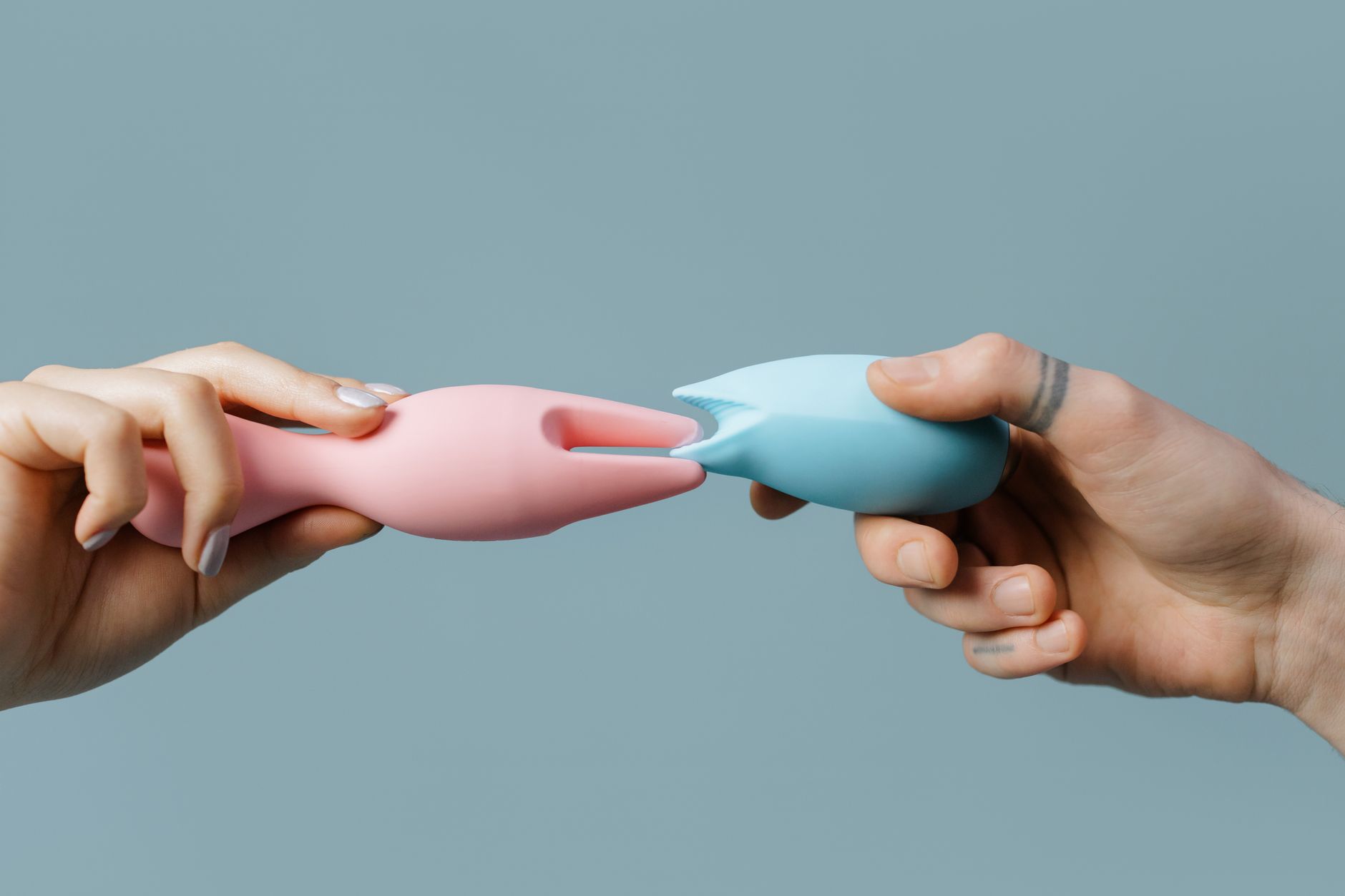
For people using air-suction toys like the Lemon Vibrator, this often means the sensation feels less intense even at the same intensity setting. You might feel tempted to jump to level 5 or 6 to compensate. Don't. That usually backfires into desensitization or irritation. Your body needs time to remember how to respond.
The timeline you're probably on
Medication changes to sexual response typically unfold in phases.
Days 1-7. This is the honeymoon period where you notice nothing. Your medication is settling into your system, but your nervous system hasn't fully adjusted yet.
Days 8-21. Changes often arrive suddenly. Your arousal might feel muted. Your lemon clitoral vibrator might require more time. Some people feel no change whatsoever during this window. Some feel dramatic change. Both are normal.
Weeks 4-8. If change is going to happen, this is when it stabilizes. Your body has adapted to the new baseline. What felt broken in week two might feel manageable now. Or it might feel more pronounced. Again, both are completely normal.
Months 3-6. This is when you start to find your new rhythm. Your nervous system has integrated the medication. You understand what your body needs now. Your lemon vibrator routine evolves to match.
If you're past week three and the change feels severe or isn't showing any signs of easing, that's worth flagging to your prescriber. Medication choice matters. Sometimes a different drug in the same class works better. Sometimes dosage adjustment helps.
What actually helps you get back to normal sensation
Three foundational shifts.
Lengthen your warm-up. This is not a failure. This is listening. If you used to need five minutes and now you need fifteen, budget fifteen minutes. Use your lemon vibrator on lower settings earlier in the session. Let your body climb the arousal ladder at its own pace. Rushing creates frustration and teaches your nervous system that pleasure is disappointing. Patience teaches it that pleasure is still available, just on a different timeline.
Lower your starting intensity. Before medication, you might have started your clitoral vibrator on pattern 2 or 3. Now, start on pattern 1. Let your body wake up at lower stimulation. Once you're actually aroused (swollen, warm, focused), then move up. This prevents the sensation from feeling overwhelming or numb depending on what your body's doing that day.
Add external stimulation. Your lemon vibrator is powerful. But when arousal is sluggish, combining clitoral suction with other input helps. Touch your breasts. Move your hips. Watch something that actually turns you on instead of just running your toy on autopilot. Bring your brain into it. Arousal is 60 percent nervous system, 40 percent mind. If your nervous system is slowed by medication, your brain needs to pick up the load.
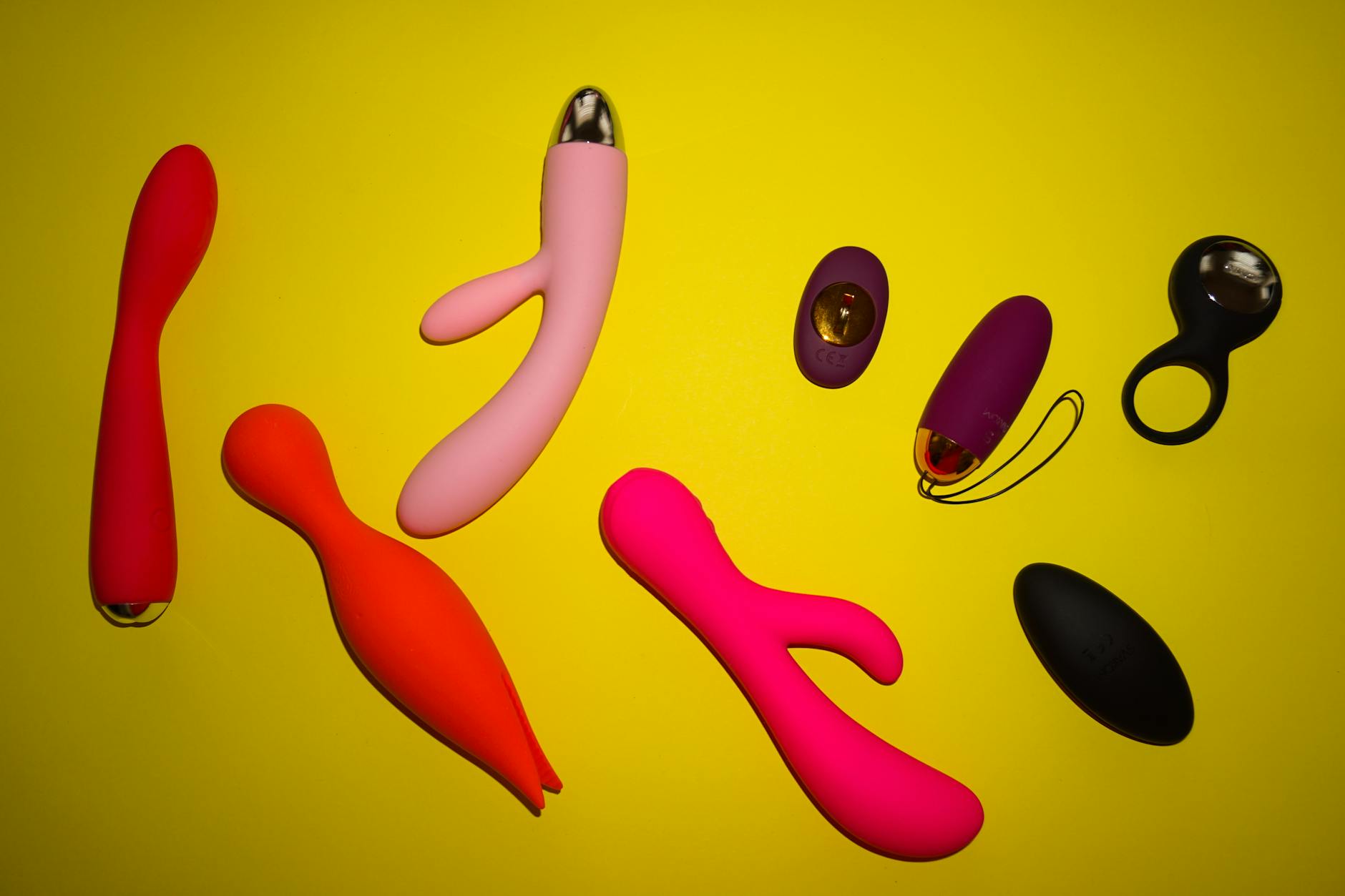
Photo by FounderTips on Pexels
When medication changes are worth discussing with your doctor
Not all medication side effects are permanent. Not all are unfixable. But some conversations need to happen.
If arousal has disappeared entirely and you're three months in, mention it. There's no medal for suffering through this. A different medication might work just as well for your condition without the sexual side effect. Switching is often possible. You just have to ask.
If you're on SSRIs and sexual response has tanked, ask about augmentation. Some people add bupropion (which increases dopamine) to counteract SSRI sexual side effects. Others switch to different antidepressant classes like SNRIs or tricyclics that have a lower sexual impact. These are real options. Use them.
If your blood pressure medication is the culprit, talk to your prescriber about alternatives. Different classes of BP medication have different sexual side effect profiles. Switching from an ACE inhibitor to a calcium channel blocker, for example, might preserve your sexual response.
If you're on antihistamines, consider whether you actually need them year-round or if you can use them only seasonally. If you're on them daily, ask if there's a different class that suits you better.
Don't assume medication incompatibility with pleasure is just the price of treatment. It's often a solvable problem.
The secret thing nobody tells you
Your lemon vibrator, or any clitoral vibrator, is still working exactly the same way. The change is entirely in how your body responds to it. This is actually the good news. It means the solution isn't hardware. It's understanding what your nervous system needs right now.
Most people adjust completely within two to four months. Your body learns the new normal. Your brain learns to work harder. Your expectations reset. And suddenly you're having perfectly good orgasms with your lemon sexual toy again. They might arrive differently than before. But they arrive.
The thing that sabotages most people is impatience. They wait a week, notice a change, panic, and stop exploring altogether. That actually makes the adjustment harder. Your nervous system needs practice and permission to respond at its new speed.
Keep using your clitoral vibrator. Keep showing up. Keep being patient. Your pleasure is still there. You're just on a slightly longer path to reach it.
FAQ
How long does it usually take for medication to stop affecting sexual response?
Three to six months is typical. Some people see improvement in four weeks. Others take longer. If you're past six months and the change feels severe, talk to your doctor about adjusting dose or switching medications. The timeline varies because nervous system adaptation varies from person to person. Age, overall health, what you're taking it for, and your baseline nervous system sensitivity all play a role.
Can I use my lemon vibrator more often to make up for slower arousal?
No. In fact, more frequent use on the same medication can actually increase desensitization. Your nervous system gets tired. Instead, use your clitoral vibrator in longer, more intentional sessions less frequently. Quality over quantity. One mindful 20-minute session twice a week beats three rushed five-minute sessions daily when your arousal is already compromised.
Will the sexual side effects go away if I stop the medication?
Usually, yes. Most medication-related changes reverse within two to four weeks of stopping, though some people take longer. But don't stop medication to fix sexual side effects without talking to your prescriber first. The original reason you started that medication probably matters more than sexual response does. The goal is finding a solution that protects both.
Are certain medications worse for sexual response than others?
Yes. SSRIs like sertraline and paroxetine are particularly strong suppressors of arousal. SNRIs like venlafaxine are usually milder. Bupropion actually tends to improve sexual response. Blood pressure medications like beta blockers and ACE inhibitors have higher sexual side effect rates than calcium channel blockers. Antihistamines vary by type. Ask your pharmacist if the specific medication you're on has a known sexual side effect profile. Knowing what you're dealing with helps you plan.
Does lube help when arousal is slowed by medication?
Lube helps with lubrication, obviously. But it doesn't speed up arousal or sensation. What actually helps is time, lower starting intensity, and a longer warm-up. Lube is valuable for comfort, but don't expect it to fix a medication-related arousal delay. It's part of the toolkit, not the whole solution.
Should I tell my partner about medication-related changes to my sexual response?
Yes. If you're with a partner, they've probably noticed something's different. Communication prevents resentment and confusion. You might say something like, "My new medication is changing how quickly I get aroused. It's not about you or how I feel about you. I'm going to need longer warm-up time, and I'm working through it." That sets expectations and brings them into the solution instead of leaving them wondering what went wrong.
Sources and further reading
If you want to understand more about how specific medications affect sexual response, the Sexual Medicine Society of North America has clinical summaries. Your pharmacist can also pull the detailed patient information sheet for your specific medication and highlight the sexual side effect data.
Many people find that connecting with their prescriber about these changes, rather than quietly suffering, opens up real options. Sexual response matters to your quality of life. That's worth a conversation.
In the meantime, your lemon clitoral vibrator is waiting. Give yourself permission to adjust. Your body will follow.