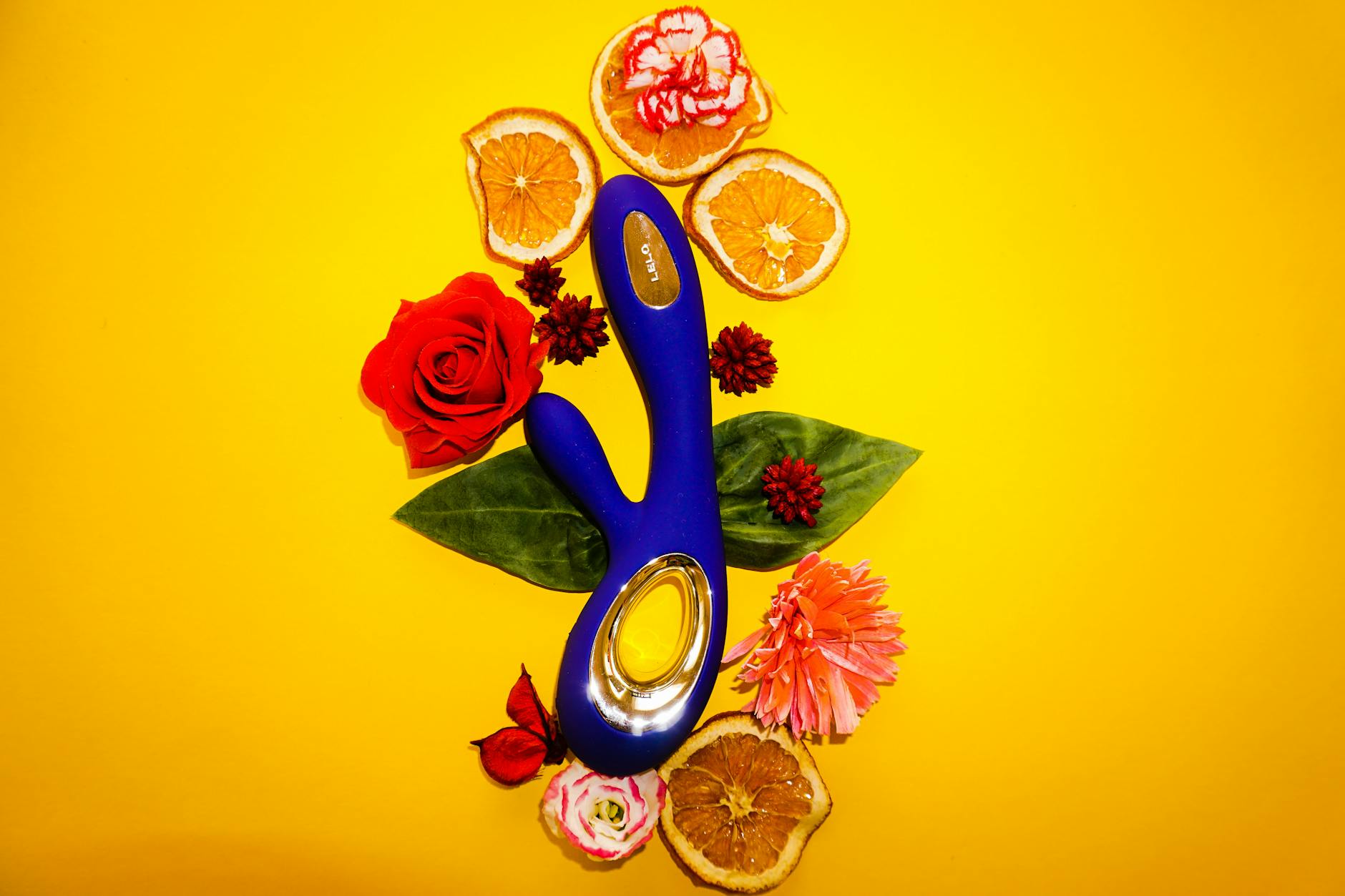
Here's what nobody tells you about trauma and pleasure
Trauma doesn't make pleasure impossible. It makes the pathway there longer. And that's not a flaw in you, or a sign you're "not ready." It's your nervous system doing exactly what it's supposed to do. After threat, everything slows down. Including arousal.
When you're recovering from sexual or relational trauma, even safe touch can take longer to register as pleasurable. That's not broken. That's healing. And it changes how tools like a lemon vibrator work in your body.
What trauma actually does to arousal
Your nervous system has three states: safe, stressed, and shut down. Trauma keeps you cycling between stressed and shut down because your brain learned that threat could come without warning. When you try to access pleasure, the system has to check first. Is this safe? Can I trust this? Only after your nervous system gets a clear answer does arousal have permission to wake up.
Sexual trauma has a more specific impact. The areas of the brain responsible for pleasure and self-protection get tangled. Your clitoris might respond to stimulation, but your mind is somewhere else. Your body might warm up, but your nervous system keeps you partially braked. And a lemon vibrator, which works through sustained suction rather than friction, can feel gentler on that protective mechanism. But it can also take significantly longer to get there because the suction builds over time instead of delivering shock-and-awe intensity.
That's not a problem. It's actually useful information.
Why suction-based stimulation works differently during healing
A lemon clitoral vibrator uses air-pulse technology. Instead of buzzing against tissue, it creates a seal and gently vacuums the clitoris. That means there's less direct friction, which can feel safer to a nervous system that's used to bracing against threat. The sensation builds gradually. It's not aggressive. It doesn't demand an immediate response.
For people in trauma recovery, that slow building is often the difference between "maybe" and "yes." Your nervous system can stay in the body longer because nothing is forcing intensity.
But here's the thing that surprises people: that same gentleness can mean sessions take twice as long or longer. Not because something's wrong. Because your body is getting to safety first, then pleasure. The arousal doesn't show up until that foundation is solid.
The role of dissociation and grounding
Dissociation is one of trauma's most common shields. Your mind drifts. Your body's "there" but your awareness isn't. When you use a lemon vibrator and find yourself zoning out, that's often dissociation doing its job. Protecting you by taking you somewhere else.
The fix isn't to fight it or shame yourself for "not being present." It's to pause and ground first. Press your feet into the floor. Name five things you see. Feel the texture of the sheets. Let your nervous system confirm: I'm safe, I'm here, this is now, not then.
Then, slowly, come back to the vibrator. Your body might need longer warm-up because it's constantly running a threat assessment. That's not inefficiency. That's healing.
What actually speeds things up (and what doesn't)
Three practices that make a real difference.
1. Consistent solo exploration in a safe space. Using a lemon vibrator on your own, in a locked room, where you control every variable, teaches your nervous system that pleasure is something you can access safely. Not with someone watching. Not performing. Just you and sensation. That data travels fast through the nervous system. Over weeks, your body learns: this is safe. And then arousal gets faster.
2. Very slow warm-up. I mean 20 to 30 minutes before even turning anything on. Breathwork, gentle touch on non-sexual areas, warming the room. Let your vagus nerve (the main thoroughfare of your nervous system) settle into parasympathetic mode before asking for pleasure. When you start with a lemon vibrator after real calm, the response time shortens dramatically because you've already told your system: safe, safe, safe.
3. Presence practices that aren't meditation. Meditation can backfire for trauma survivors because sitting alone with your thoughts can trigger memory intrusion. Instead, try something embodied. Shaking. Dancing. Cold water on your face. A specific ritual (lighting a candle, a phrase) that signals to your body: this is a pleasure container, not a threat space. That signals your nervous system to downshift.
When to bring a partner into the picture
If you're in a relationship and your partner is part of the picture, the rules change slightly. But not before you've spent time solo. Because healing isn't about proving you can have pleasure with someone else. It's about proving it to yourself first.
When you do include a partner, they need to understand one thing: the slow pace isn't rejection. It's recovery. A partner who gets this doesn't rush. Doesn't ask "why is it taking so long." Doesn't interpret slow arousal as low desire. They just stay present and patient while your nervous system decides it's safe.
If that feels impossible to communicate, that's data too. That might mean you need to process more solo before adding a witness.
The role of trauma-informed therapy
Lemon vibrators are tools. Powerful ones. But they're not therapy. If trauma is still active, if you're having panic responses or severe flashbacks during or after sexual activity, a trauma-trained therapist is the first move. Someone trained in somatic experiencing or sensorimotor psychotherapy can help your nervous system unwind in ways a vibrator can't.
That's not weakness. That's wisdom. You wouldn't try to fix a broken leg with a heating pad. Some systems need professional recalibration.
What healing actually looks like over time
Six months in, arousal starts to arrive faster. Not instantly. But maybe 15 minutes instead of 45. A year in, you might find that you can access pleasure more fluidly because your nervous system has enough data that it's safe. Two years in, some people report that lemon vibrators work nearly the way they do for people without trauma history. Not because the trauma disappeared. But because arousal and threat stopped being tangled.
This isn't linear. Stress, anniversaries, relationship conflict, or a specific smell can all slow you back down. That's not regression. That's your nervous system doing its job again. And you now know the fix: slow down, ground, wait for safety to arrive.
FAQ
How long does it typically take for pleasure response to return after trauma?
There's no universal timeline. Some people feel significant shifts in weeks. Others take a year or more. It depends on the type and duration of trauma, your current stress level, and the quality of your support system. Healing isn't about speed. It's about consistency. Using a lemon vibrator regularly, in a safe space, teaches your nervous system faster than sporadic attempts.
Can using a lemon vibrator actually trigger trauma responses?
Yes, it can. Sexual stimulation can activate trauma memories because the nervous system associates physical sensation with threat. If this happens, pause immediately. Ground yourself. The goal isn't to push through. The goal is to stay safe. Talk to a trauma-informed therapist before continuing. Many recommend starting with non-sexual touch first, then slowly introducing clitoral stimulation only when your nervous system has settled.
Is it normal to feel numb during arousal when you're healing?
Completely normal. Numbness is a protective response. Your nervous system is still running a threat assessment, which dampens sensation. This usually shifts as you build evidence of safety through repeated solo sessions. Some people also find that a lemon clitoral vibrator helps numbness more than other tools because the suction creates a unique sensation that can help rewire the nervous system's response.
Should I tell a partner that I'm recovering from trauma before using toys together?
Yes. Not as confession or apology. But as context. "My nervous system takes longer to warm up, and I need a slow pace. Here's what helps." A partner who can't honor that is telling you something important. Healing happens faster in relationships where safety is explicit.
What if I've tried lemon vibrators and they haven't helped?
That might mean your nervous system needs something else right now. Solo use? Yes. But maybe also therapy. Maybe also a reset on the relationship dynamics around pleasure. Maybe your body needs trauma-specific somatic work before any toy will register as safe. That's not failure. That's information. Follow it.
Can trauma-informed solo practice with a lemon vibrator actually speed up healing?
Yes. Somatic therapists actually recommend it. Your body learns safety through consistent experience. When you use a lemon vibrator in a controlled, safe environment, your nervous system collects data: this sensation is safe, this space is safe, I can trust my body. That data compounds over time, and arousal pathways start to open. Not because the toy is magic. Because you're teaching your nervous system a new pattern.
You're not broken, you're rewiring
Trauma changes how arousal works. Using a lemon vibrator during recovery doesn't bypass that change. It works alongside it. Slow warm-up. Consistent solo practice. A nervous system that's learning to trust again. That's not dysfunction. That's healing. And it often leads to a deeper, more intentional relationship with your body than existed before. Not because trauma is good. But because recovery demands honesty. And honesty changes everything.