Let's start with the thing no one tells you
Endometriosis changes pleasure. It doesn't end it. But the shift is real enough that many people with endo spend months or years thinking something's wrong with them, when actually they just need a different approach to what works.
Here's what actually happens: adhesions, inflammation, and nerve sensitization rewire how your pelvic tissue responds to pressure, friction, and direct stimulation. The standard vibrator that worked fine before now feels either too intense, too scattered, or doesn't hit the right spot at all. This is not failure. This is information.
How endometriosis changes sensation
Think of your pelvic floor like a map. Endometriosis doesn't just affect the uterus, fallopian tubes, or ovaries. It can grow on nerves, ligaments, and tissue throughout the pelvis. Those nerves become hypersensitive. Some areas become almost painfully responsive to pressure, while others go numb.
That's one layer. The second layer is psychological. If intercourse or penetration has been painful for months or years, your brain learns to brace against stimulation. Arousal becomes harder because your nervous system is literally in protective mode. You're not broken. Your body is doing exactly what it's supposed to do when it predicts pain.
This is why many women with endometriosis report that external clitoral stimulation feels different than internal sensation. The clitoris has its own nerve pathway, separate from the vaginal canal and deeper pelvic structures. When internal sensation is compromised by adhesions or inflammation, external pleasure often becomes richer, more reliable, and more satisfying.
Why suction feels different (and better)
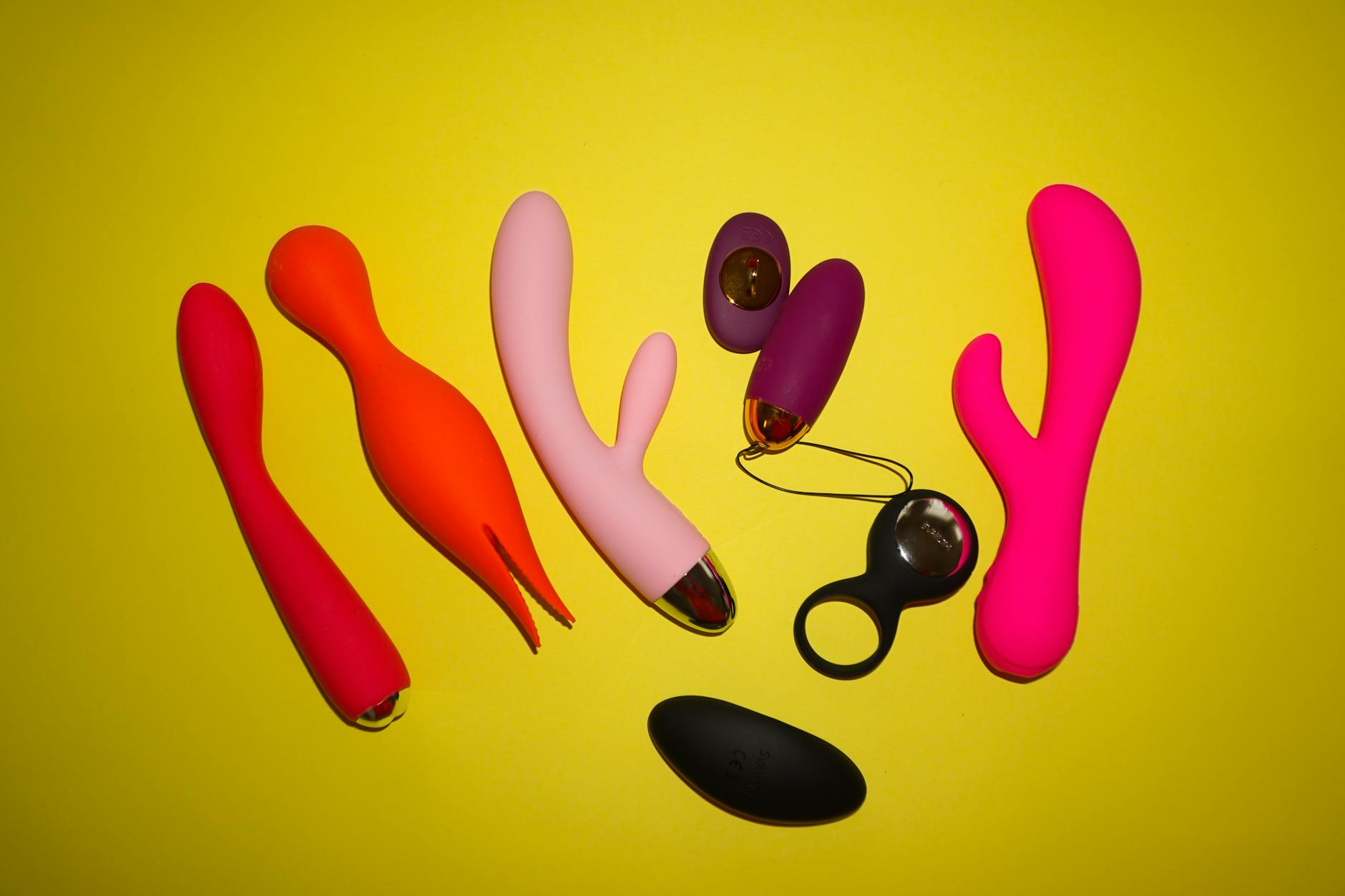
The Lemon Clitoral Vibrator uses pneumatic suction rather than vibration alone. This matters enormously for endometriosis.
Here's the mechanical difference: traditional vibrators move back and forth at a fixed frequency. Suction devices create a gentle pressure change that stimulates the clitoris through a different neural pathway. Instead of rapid mechanical buzz, you get a rhythmic engorgement and release pattern. This feels less jarring, more buildable, and easier to control.
For people with endometriosis, this translates to four specific advantages.
First, you have fine-grained control over intensity. On the Lem, you can start at pattern 1, barely more than a whisper of suction, and work up slowly. There's no "too much too fast" snap. Most traditional vibrators are binary: low buzz or high buzz. If low still feels intense, you're out of options.
Second, suction doesn't require the same pelvic floor engagement that friction does. When your pelvic floor is already inflamed or tight (which is almost universal with endo), friction can trigger guarding or cramping. Suction pulls sensation outward rather than pushing in, which many find genuinely comfortable.
Third, the sensation is highly localized. Buzz vibrates the whole device, which vibrates your hand, which vibrates the surrounding area. Suction concentrates sensation right at the clitoral glans and the sensitive corona. People with endo often report that this focused, contained feeling allows them to relax more fully because they're not bracing against unexpected vibration traveling elsewhere.
Fourth, suction patterns are easier to synchronize with your own arousal rhythm. Orgasms with endo are often slower to build and more fragile. You need a device that can hold a steady pattern while you focus on sensation, not one that distracts you with intensity fluctuations.
The role of lubrication and warmth
Endometriosis isn't typically a lubrication condition, but inflammation often makes external tissue more sensitive. Using a water-based lubricant creates a gliding surface that reduces friction against already-irritated skin. It sounds like a small thing. It's genuinely transformative.
Heat also matters. If you notice that pain or cramping tend to feel worse on heavier endo days, applying a heating pad to your lower abdomen or back for 10 minutes before solo time can relax the pelvic floor enough to make sensation feel more open and less defended.
One more practical note: if you're taking NSAIDs on heavier pain days, they do take the edge off sensation slightly. This isn't a reason to avoid them, but it's worth knowing that orgasm might feel more muted when you're actively managing pain. Your baseline isn't your ceiling.
Mental load matters as much as physical sensation
Here's what I see most often in my practice. Someone with endometriosis has had pain during sex. They've had frustrating conversations with partners who didn't understand why. They've felt broken. By the time they approach pleasure on their own, there's a significant amount of anxiety layered on top of the physical reality.
That anxiety is real and worth addressing separately from the mechanical question of "which device works best." Many of my clients find that using a device alone, with no partner pressure or expectation, in a warm comfortable space, is the first time in months or years they've allowed themselves to relax enough to feel anything at all.
If you have a partner, the conversation is crucial. [How to Introduce a Lemon Vibrator to Your Long-Term Partner] covers this specifically, but the headline is: separating "my body feels different" from "I want us to reconnect" is the only way both conversations move forward.
When to check in with a specialist
If you're experiencing new pain, escalating pain, or pain that doesn't match your usual endo symptoms, see a gynecologist who specializes in endometriosis. It's possible you have another issue stacked on top of the endo, and that's important to know.
If solo pleasure feels completely off limits because of pain, pelvic floor physical therapy is worth exploring. A PT trained in pelvic pain can teach you how to release tension patterns that make sensation feel like threat rather than pleasure. This work pairs incredibly well with the right device.
And if you're on hormonal management for endo, know that some regimens suppress arousal more than others. That's a conversation worth having with your doctor if you're noticing a significant shift.
The difference between pain and intensity
This is important. Pain is a stop signal. Intensity is a sensation signal. They're not the same.
With endometriosis, it's easy to conflate them because intensity in the wrong spot can trigger pain. But when you find a rhythm and a device that works for your body's actual capacity, intensity becomes information, not harm. You can build to strong orgasms without pain. It just looks different than it did before endo.
Many women with endo report that suction-based devices feel more reliable than buzz because they can feel the pressure building gradually, which gives their nervous system time to acclimate. There's no sudden ramp. This predictability is itself pleasurable.
FAQ
Can I use a lemon vibrator if endometriosis causes internal pain during penetration?
Absolutely. The Lemon Clitoral Vibrator works entirely externally on the clitoris. It bypasses the internal pelvic structures where endo inflammation typically lives. Many people with endo find that external pleasure is actually easier and more reliable than penetrative sensation, especially during flare days.
Does endometriosis affect orgasm ability?
Endometriosis doesn't inherently block orgasm. What it does is change the pathway you need to get there. Some people find orgasms take longer. Some find they need more focused external stimulus. Some find certain positions or intensities now feel uncomfortable. The capacity for orgasm is still there. The map just shifted.
Is it safe to use any vibrator with endometriosis?
Yes, but comfort varies wildly. The key is starting low and slow. If you're used to high-intensity buzz devices, you might find that jumping straight to max setting triggers cramping or inflammation. Suction devices tend to feel more controllable because you can increment intensity gradually. [How to Use a Lemon Vibrator Safely With Pelvic Floor Tension] digs deeper into this.
Will using a vibrator make my endometriosis worse?
No clinical evidence suggests that vibrator use worsens endo. What matters is avoiding pressure or intensity that triggers immediate pain or cramping. If you feel pain during use, stop and try a lower setting or different pattern. Pain is feedback. Listen to it.
Does endometriosis medication affect sexual response?
Yes. Hormonal treatments (like continuous-cycle birth control or GnRH agonists) often suppress arousal somewhat. This is worth discussing with your doctor, because adjusting your regimen or the timing of medication relative to your solo time might help. And [Why Lemon Vibrator Sensations Feel Different After Stopping Birth Control] covers that angle more fully.
How do I know if I'm just having an endo flare or if something new is wrong?
Flares feel familiar. New pain has a different quality. If you're suddenly experiencing pain that doesn't match your baseline endo symptoms, or pain that's worse on days when endo usually feels better, that's a signal to check in with your doctor. Trust your body's signals.
The bottom line
Endometriosis changes how your body feels pleasure. But changed isn't broken. Lots of women with endo report that once they understood how their altered nervous system responds to sensation, their most satisfying orgasms came post-endo diagnosis. You have to know your body to use it well. Endo forces that knowledge. What you do with it is entirely up to you.
Your pleasure matters. Your body's actual capacity, not some imagined pre-endo version of it, is what counts. A device designed for nuance, control, and gradual intensity works better with that reality. Start low. Pay attention. Let sensation build. You deserve satisfaction that feels safe and real.