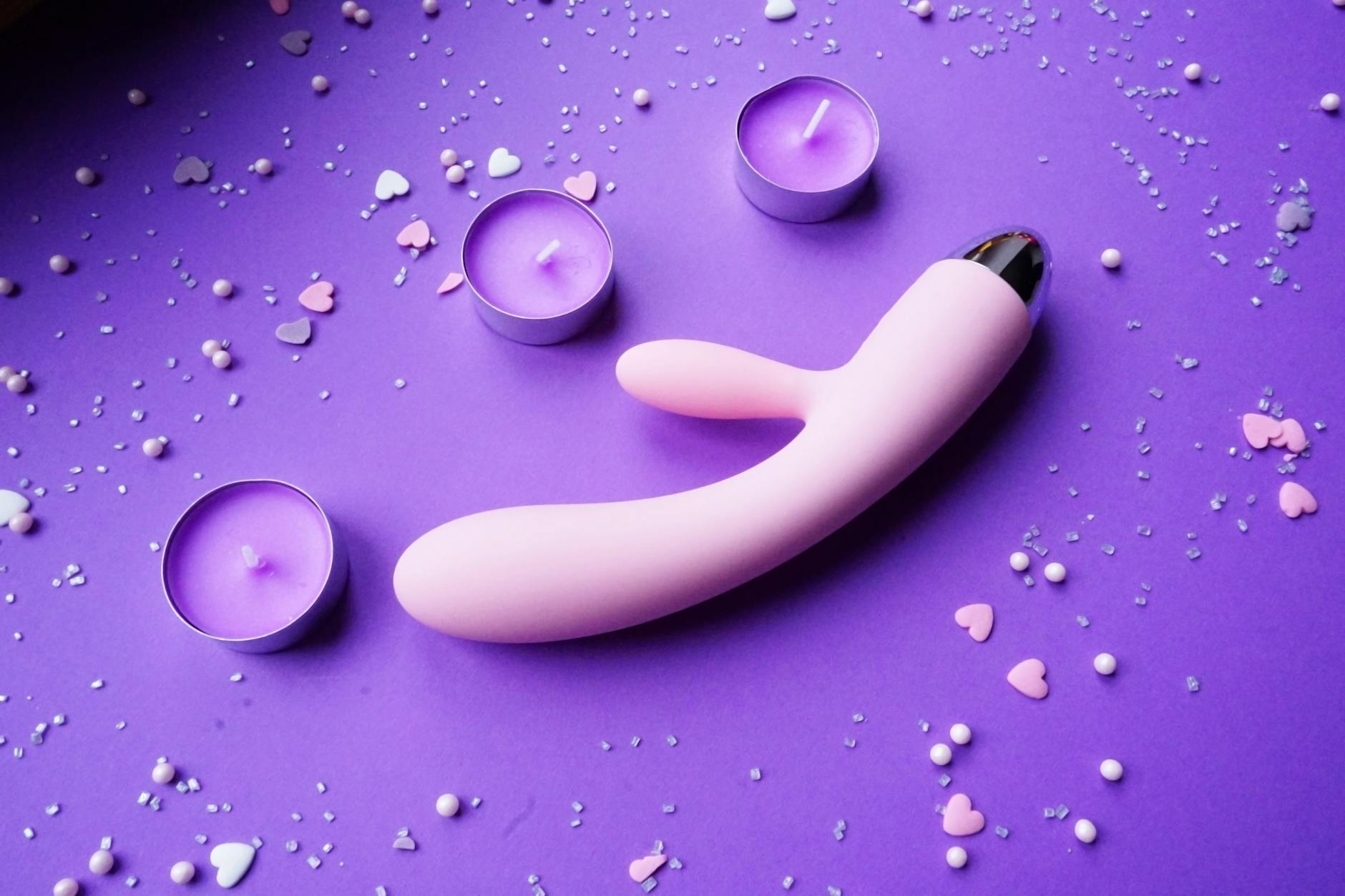
Does a Lemon Vibrator Feel Different After 40? What Changes, What Doesn't
Let's be real. Something shifts around 40. Not everything stops working. It's more subtle than that. Your body's response to a lemon vibrator might feel different, sure, but different doesn't mean worse. In fact, most of my clients report that their pleasure deepens after 40, not diminishes.
The confusion happens because people expect the decline narrative to be straightforward. But sensitivity after 40 is a mixed bag. Some things get less responsive. Other things get infinitely more interesting. Understanding which is which changes how you approach pleasure and what tools actually work for you.
I've spent years helping couples navigate this exact transition. And the pattern I see repeatedly is this: the people who struggle aren't the ones whose bodies changed. They're the ones who didn't adjust their expectations or their technique. A lemon clitoral vibrator feels completely different at 45 than it did at 25 because you're a completely different person using it.
What actually changes in your nervous system after 40
Your skin gets thicker and less reactive to light touch. This is real physiology, not fiction.
The epidermis thickens slightly. Nerve endings in your vulva don't disappear, but the sensitivity profile shifts. Light, feathery stimulation that drove you wild at 25 might feel vague now. Your body is asking for something with more intention, more direct contact. This is where the lemon vibrator's design actually matters. Devices built for suction and sustained stimulation work differently on a 40-year-old body than traditional bullet vibrators designed for surface vibration.
Blood flow changes slightly too. Arousal takes longer to build. Not because you're broken, but because your cardiovascular system works differently. Your body needs longer warm-up time. Most people interpret this as "I'm losing interest." What's actually happening is your body is saying "I need at least 15 minutes of build-up instead of 5." That's not dysfunction. That's just aging.
Collagen production drops. This affects tissue elasticity everywhere, including your pelvic floor. The tissue inside and around your vulva becomes slightly less stretchy. Again, this doesn't end pleasure. It changes how pressure feels. Intense direct pressure might border on uncomfortable where it once felt amazing. This is why so many people over 40 find that gentler, sustained pressure feels better than rapid-fire intensity.
Why sensation might actually improve
Here's the part nobody tells you.
Your brain gets better at pleasure. At 25, your arousal response is almost automatic. Your nervous system is flooded with hormones that make pretty much everything feel good. By 40, that reactive hormone wash is smaller. But your brain has 15+ more years of experience mapping what actually feels incredible. You're not relying on automatic response anymore. You're relying on knowledge.
Most people over 40 report that orgasms feel qualitatively different. Not always stronger in the muscular sense, but often deeper, more nuanced, sometimes more localized. A lemon vibrator at 45 can trigger orgasms that feel completely unlike the diffuse full-body climax you had at 25. People describe them as more centered, more controllable, sometimes way more intense because you know exactly what you want now.
Psychological barriers also drop. The mental load of fertility concerns, the pressure to perform for a partner's timeline, the noise of comparison with other people's sex lives. That quiets down. For the first time, you might actually have space to pay attention to what you want instead of managing what you're supposed to want. That mental clarity alone transforms the experience.
How to adjust your technique with a lemon vibrator after 40
If you've been using the same approach since your 20s, adjust for this new body.
Start with longer warm-up. Budget 15-25 minutes of gradual build instead of jumping straight to orgasm. Use a lemon vibrator on lower patterns first. The Lem is brilliant here because its suction design doesn't require the direct friction that can feel overwhelming on slightly less elastic tissue. Begin on pattern 1 or 2, stay there for several minutes while your body actually wakes up, then progress.
Pay attention to clitoral hood coverage. After 40, some people find the clitoris itself becomes slightly more sensitive to direct stimulation. A suction-based clitoral vibrator gives you the option to adjust contact. You can cover more of the clitoral area and get broader pressure, or focus directly. At 25, you might have wanted pure intensity. At 45, you might want control over where the pressure lands.
Lubricant becomes your ally, not a sign of dysfunction. Water-based lube extends arousal time and changes how tissue responds to stimulation. You're not adding it because something's wrong. You're adding it because it's the right tool for your current body. Silicone-based feels richer, but it can damage silicone toys, so stick with water-based if you're using the Lem.
The role of hormonal shifts after 40
Estrogen doesn't drop off a cliff at 40, but it does start to decline.
This is completely different from menopause. You're not in that transition yet, probably. But you're on a long slope where estrogen levels are gently declining. This affects vaginal tissue elasticity and lubrication production, but the effect is subtle at 40. It becomes more noticeable in the 45-50 window.
What matters right now is noticing how your body is responding and adjusting. If penetration feels different, that's hormone-related and also completely manageable. If your clitoral sensitivity shifted, acknowledge it and experiment with different vibration patterns. If it takes longer to get there, stop seeing that as a problem and start seeing it as an opportunity to explore patterns you never had time for before.
The key is separation. Hormonal changes are one conversation. Relationship changes are another. Life stress is a third. People often stack all three together and conclude "my body doesn't work anymore." In reality, it's usually one or two factors, and they're all addressable.
What doesn't change about pleasure after 40
Your capacity for orgasm doesn't disappear.
The clitoral nerve endings don't vanish. Your ability to experience pleasure is intact. The neural pathways that route sensation to your brain are still there. The muscles involved in orgasm still work. Everything you need to feel good is still present. What changes is the wrapper, not the gift.
Desire doesn't evaporate either. Yes, testosterone drops slightly for everyone over 40. But it doesn't crater. And desire isn't one chemical. It's built from physical attraction, emotional connection, novelty, stress levels, sleep, how your relationship is functioning, whether you're using pleasure as a priority or an afterthought. You can absolutely have a strong, compelling desire for pleasure at 40, 50, 60. Millions of people do.
Your right to feel good doesn't expire.
This is worth stating plainly. The cultural narrative says your body peaks at 25 and then slowly becomes a inconvenience. That's a story, not science. Your body changes. It develops different strengths. A lemon vibrator at 40+ can facilitate experiences that weren't possible at 25. You have more control. More knowledge. Less performance anxiety. That's not a loss. That's an upgrade.
When to check in with a doctor
If pain appears during use, don't push through it.
Pain isn't normal, and it's not inevitable. It can signal something that's easily treatable. If a lemon vibrator suddenly feels uncomfortable when it didn't before, that's worth mentioning to a gynecologist. Usually it's nothing serious. Sometimes it's hormonal and fixable with topical treatments. The point is you get to know.
If your arousal pattern changes dramatically and doesn't settle in a few weeks, that's also a conversation starter. Not because something's wrong with you, but because you deserve to understand your own body. A GP or gynecologist who specializes in midlife health can help you separate hormonal effects from other factors like stress, sleep, relationship dynamics, or medication side effects.
Don't suffer through. Don't assume this is just what aging feels like. Most things that change after 40 are manageable. You just need information.
FAQ: Lemon Vibrators and Your Body After 40
Does a lemon vibrator feel different on sensitive skin after 40?
Yes, and that's not inherently bad. Sensitivity shifts. What felt perfect at 25 might feel slightly vague at 40 because your skin's nerve ending distribution has changed. A lemon clitoral vibrator using suction technology gives you sustained, concentrated pressure that many people over 40 find more satisfying than rapid vibration. The key is starting on lower patterns and adjusting based on what your body actually wants, not what you think it should want.
Will a lemon vibrator work as well after 40?
It can work better, honestly. You have more information now about what you want. Your brain is better at directing pleasure. You're less distracted by external performance pressure. The physical response might take longer to build, but the orgasm itself can be more nuanced and controllable. A lemon vibrator is designed with sustained suction, not rapid-fire vibration, which works beautifully for bodies that want more deliberate stimulation.
How do I know if changes after 40 are normal or a sign of something wrong?
Listen to your body. If everything feels slightly different but not painful, you're probably just experiencing normal age-related sensitivity shifts. If arousal takes longer but still builds to a satisfying place, that's normal. If there's pain, numbness, or complete loss of sensation, that warrants a conversation with a gynecologist. Most changes are manageable once you understand what's happening.
Is it normal to need more lubricant after 40?
Completely. Estrogen levels are declining, which affects natural lubrication production. This isn't a malfunction. It's just your body adapting. Water-based lubricant makes a huge difference and changes how both penetration and external stimulation feel. Using it is smart, not a sign of dysfunction. Silicone-based lubes feel luxurious but can damage silicone toys, so water-based is your safest bet with a lemon vibrator.
Do clitoral vibrators work differently on aging bodies?
They can, and some designs adapt better than others. Your clitoris doesn't shrink or disappear, but the tissue around it becomes less elastic. Suction-based clitoral vibrators like the lemon vibrator distribute pressure differently than traditional bullet vibrators. Instead of direct friction, suction creates a gentler, more sustained stimulation that many people over 40 find works better with how their body now responds.
At what age do I need to change my vibrator or technique?
There's no magic number. Some people notice shifts around 40. Others don't notice much until late 40s or early 50s. Pay attention to what's working and what's not. If your current vibrator or technique stopped feeling good, experiment. That might mean switching patterns, using more lube, extending warm-up time, or trying a different device. The lemon vibrator's adjustable patterns give you flexibility to adapt as your body changes.
The bottom line
Your body after 40 is not a diminished version of your younger self. It's a different version. Sensitivity shifts, sure. But sensation doesn't disappear. Arousal takes longer but often goes deeper. Pleasure becomes something you actively create instead of something that happens to you automatically. That's not a loss. That's maturity.
A lemon vibrator after 40 can feel completely different than it did at 25 because you're asking it to do something different. You're not chasing the automatic response of your 25-year-old nervous system. You're working with your actual body and brain at 40+. Once you adjust your expectations and technique, most people find that pleasure doesn't decline with age. It transforms.
Your body is still worth knowing. Still worth attention. Still worth pleasure. That doesn't change after 40. Only the path to it changes.
If you want to explore what works for your body now, start here. Invest in longer warm-up. Experiment with sustained pressure instead of rapid intensity. Use lube without shame. Notice what feels good instead of what you think should feel good. And if something feels off, ask a professional. You deserve pleasure that matches who you are now, not who you were.
Ready to learn more? Check out our guide on Lemon Vibrator Patterns and Intensity to understand which settings work best for different bodies and sensitivities. Or, if you're new to clitoral vibrators entirely, start with Lemon Vibrator for Beginners to build a solid foundation. And if you're exploring pleasure with a partner, How to Use a Lemon Vibrator With a Partner walks you through communication and technique.
Have questions about how your body's changing or what might work for you? Reach out. We're here to help.