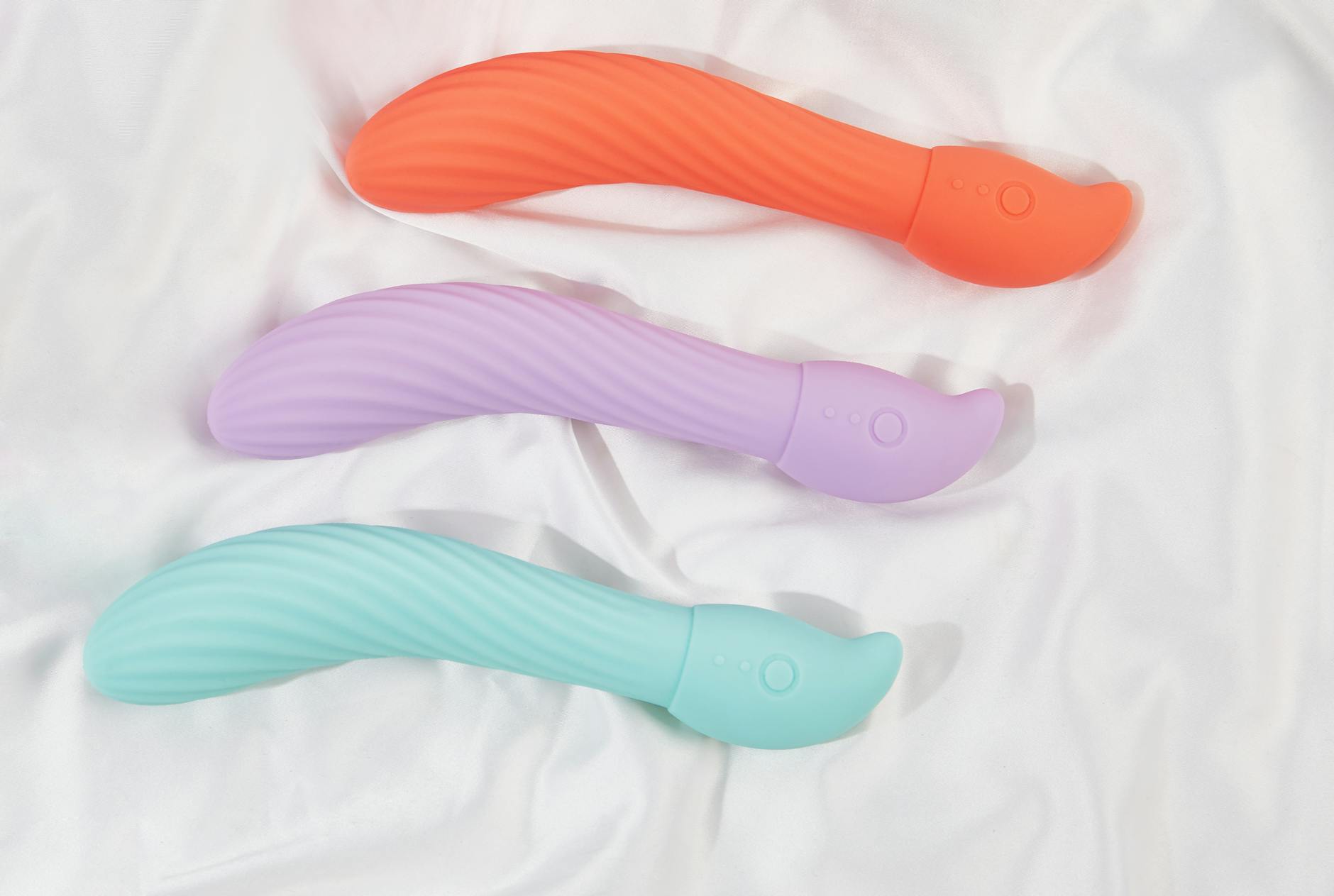
Let's start with what's actually happening
Antihistamines work by blocking histamine receptors. That sounds boring until you realize histamine plays a role in arousal, blood flow, and nerve sensitivity. Many people taking daily antihistamines for allergies or taking high-dose options during cold season notice their clitoris feels duller. Not gone. Duller.
It's not in your head. It's pharmacology.
Why antihistamines numb sensation
Histamine does three things that matter for pleasure. First, it triggers the inflammatory response that brings blood to tissues during arousal. Second, it increases nerve sensitivity. Third, it plays a role in the cascade that makes orgasms feel intense. When antihistamines block histamine, all three take a hit.
First-generation antihistamines (like diphenhydramine) cross the blood-brain barrier and dull sensation system-wide. Second-generation ones like cetirizine or fexofenadine are more targeted and cause less overall numbness, but they still affect genital blood flow and nerve response. If you're taking them daily, you're running on partial sensation.
The clitoris is particularly vulnerable because its entire pleasure response depends on blood engorgement and nerve firing. Take that down 30 or 40 percent, and arousal takes longer, orgasms feel shallower, and you might need a lot more stimulation to get there.
Why lemon vibrators work better here
Traditional vibrators work by oscillating back and forth really fast. That speed depends partly on your skin's ability to register micro-movements. When antihistamines dull sensation, your body misses half those micro-vibrations. You're feeling a buzz that's supposed to be crisp, but it lands soft.
Lemon clitoral vibrators work differently. The suction mechanism creates a sustained pressure and release pattern. Instead of relying on your skin detecting rapid movement, suction engages a different set of nerve endings. It's more of a direct pressure-based stimulation than a speed-based one.
Think of it this way. Buzz travels across your sensory landscape. Suction digs into a specific point. When your landscape is partially numb, suction wins.
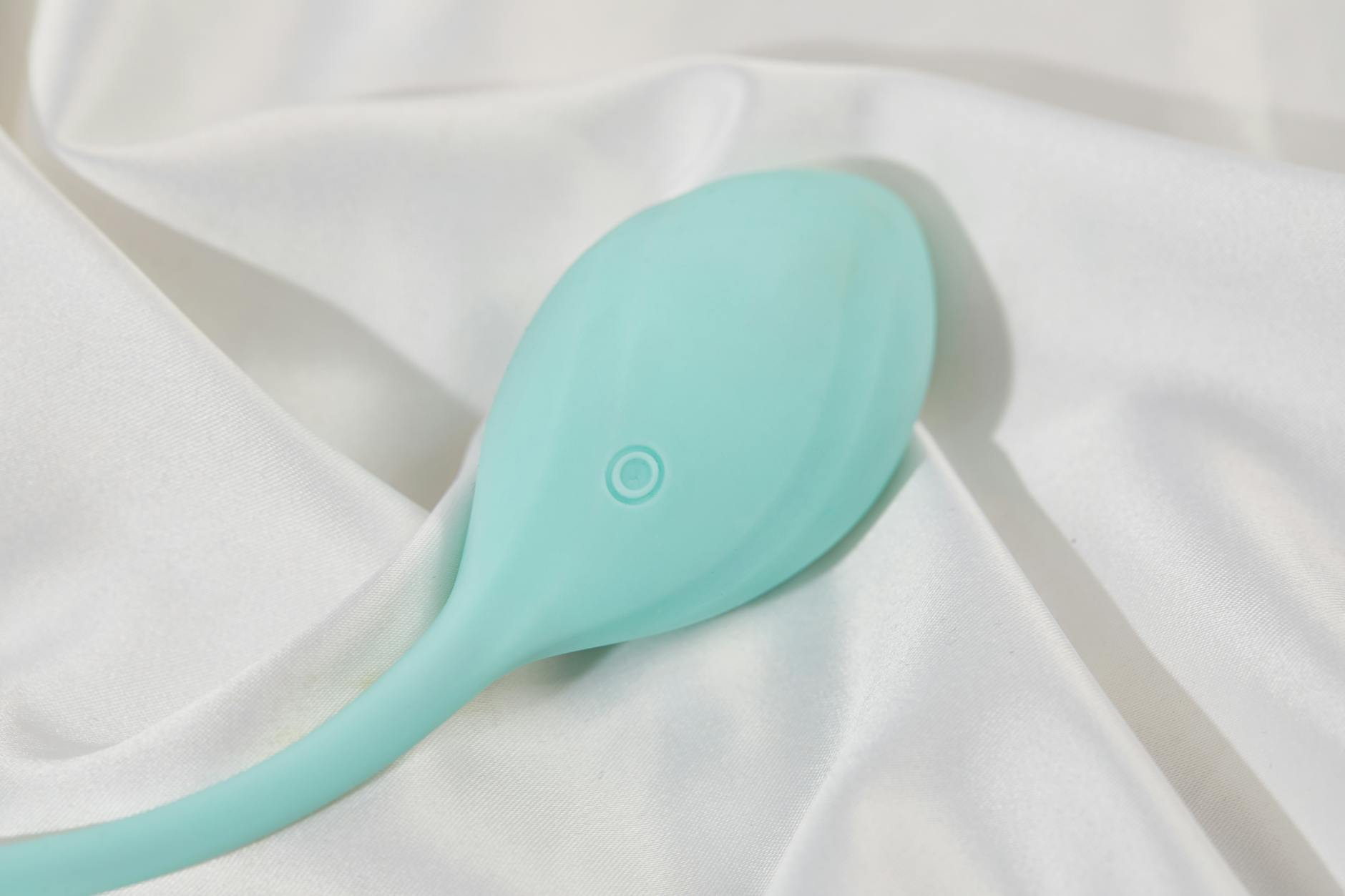
Photo by IFONNX Toys on Pexels
The timing piece that changes everything
If you can swing it, timing matters. Most antihistamines reach peak blood concentration 1 to 3 hours after you take them. Their effects taper after 8 to 12 hours. If you're taking a daily allergy medication in the morning, your sensation is lowest from mid-afternoon through evening. By late evening or early morning, your clitoris is a bit more responsive.
If you're able to shift when you take your medication, ask your doctor about moving it to just before bed rather than first thing in the morning. You get the allergy control you need, but your daytime and early-evening sensation stays better. That's not always possible, but it's worth asking.
For temporary high-dose antihistamines during cold season, the math is simpler. Take them before bed when you're going to sleep anyway, and plan pleasure for when the drug level drops.
How to actually use a lemon vibrator when you're on antihistamines
Four adjustments help:
Start with higher suction settings. If you're used to using a lemon vibrator on pattern 3 or 4, you might need pattern 5 or 6 when antihistamines are in your system. The numbness means you need more intensity to hit the same sensation threshold. This isn't a sign you've lost capacity. It's just math.
Extend warm-up time. Arousal takes longer anyway when antihistamines are dulling your blood flow response. Budget an extra 10 to 15 minutes before you even introduce the toy. You're giving your body a chance to compensate, and blood flow helps.
Use water-based lubricant generously. Antihistamines also dry out mucous membranes, including the vulva. More lube means better contact between the toy and your skin. Better contact means better nerve engagement. It's a small thing that compounds.
Try multiple patterns in one session. You might find that suction patterns 5 and 6 feel nothing, but pattern 7 suddenly feels sharp. Antihistamine numbness isn't always even across settings. Give yourself permission to explore and find your actual sweet spot that day.
When to talk to your doctor
If numbness is severe or if it's affecting your sex life significantly, mention it to whoever prescribed the antihistamine. A few options exist. You might switch to a second-generation antihistamine if you're on first-generation (less systemic numbness). You might try a non-sedating nasal spray instead of a pill (different delivery means different nerve impact). You might adjust the dose or timing.
Sex is a quality-of-life marker. A good clinician should take that seriously. If yours doesn't, that's a sign to find a better fit.
The relationship dynamic piece
If you're partnered, the temptation is to blame yourself or assume your partner did something wrong. You didn't. Your partner didn't. The medication did. That clarity matters because it keeps you both from falling into a shame spiral where the conversation becomes about performance instead of pharmacology.
When you introduce a lemon vibrator to your partner, it's worth framing it as a tool that works with your body right now, not a sign that anything is broken. Some partners actually find this shift exciting because it's tactile and precise in ways that feel collaborative.
Combining tools and time
Your best play is usually a combo. Adjust your medication timing if possible. Use a lemon clitoral vibrator that works on suction rather than traditional buzz. Give yourself more warm-up time. Use more lube. Then see how your body responds.
Most people find that within a week or two of these adjustments, pleasure comes back to a place that feels normal. You're not losing capacity. You're just compensating for a temporary shift in your nervous system. That's totally workable.
People also ask
Can I stop taking antihistamines to get my sensation back?
Don't stop taking medication you need without talking to your doctor. If your allergies are severe or you're managing a cold, the medication is serving a purpose. Instead, work with your doctor on timing, dose, or type adjustments that might preserve more sensation while keeping you symptom-free. Sometimes small changes make a big difference.
How long does it take for sensation to return after I stop taking antihistamines?
Histamine receptors resensitize fairly quickly. If you stop taking antihistamines, you should notice sensation returning within 24 to 48 hours. If you're taking them chronically, you might feel sharper sensation within a week of stopping. That timeline varies based on which antihistamine you were taking and how long you were on it.
Are there antihistamines that don't cause numbness?
Second-generation antihistamines like cetirizine and fexofenadine cause less overall numbness than older options like diphenhydramine because they don't cross the blood-brain barrier as easily. Talk to your doctor about switching if numbness is a real problem. Nasal spray antihistamines also tend to have less systemic effect than pills.
Do lemon vibrators work better for antihistamine numbness than other toys?
Lemon clitoral vibrators work better because suction engages a different sensory pathway than traditional vibration. When antihistamines dull rapid-movement sensation, sustained pressure-based stimulation often still registers. That said, what works is individual. Some people find that suction works better than buzz for clitoral sensitivity in general, medication or not.
Will my partner notice a difference in sensation if I'm taking antihistamines?
Yes, they might. Antihistamines reduce blood flow to genital tissue, which can affect lubrication and the physical response they feel during partnered sex. Your clitoris might not engorge as much, which changes the sensation for you both. This is another reason why timing and communication matter. Your partner isn't doing anything wrong. The medication is just in the way.
Can I use a lemon vibrator if I'm also taking other medications that affect sensation?
Depends on the medication. Some SSRIs, blood pressure meds, and diabetes medications also affect genital sensation. If you're on multiple medications that might be dulling things, talk to your doctor about the full picture. Sometimes adjusting one medication helps more than adjusting others. And yes, a lemon vibrator can be part of your toolkit regardless, but the underlying issue might need a pharmacological solution.
The bottom line
Antihistamines are a trade-off. You get allergy relief or cold management, and your sensation takes a temporary hit. That's normal, it's manageable, and it's not a sign that anything about your body is broken. Lemon vibrators often work better than traditional toys in this scenario because suction bypasses some of the numbness that buzz can't get through. Combined with timing adjustments and a bit of patience, your pleasure is still entirely within reach.