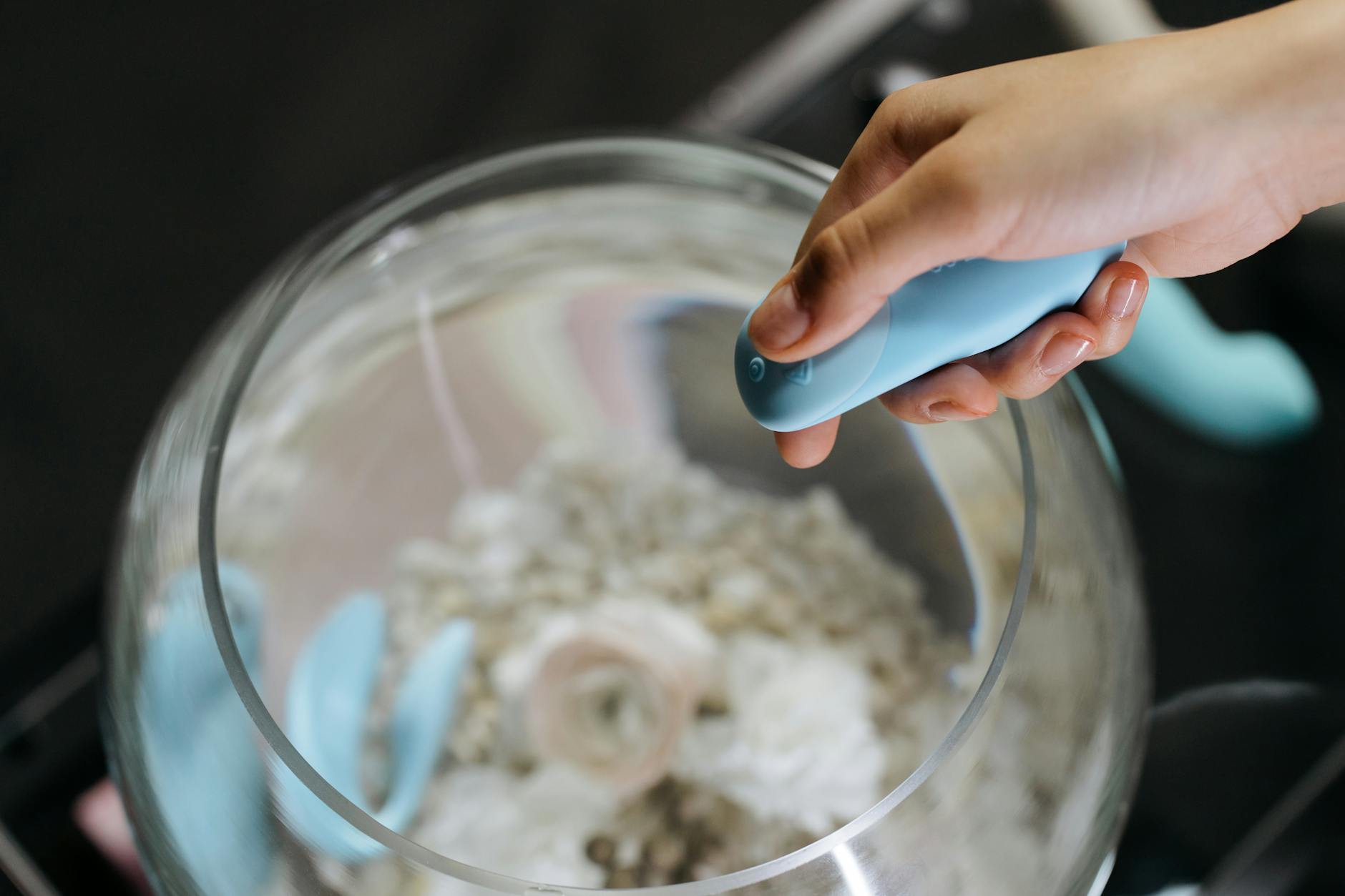
The honest thing about depression and desire
Let's be real: depression doesn't just make you sad. It demolishes your relationship with pleasure. Orgasm goes from something you might crave to something that feels as appealing as a tax return. That's not laziness, and it's not your fault. Depression is a neurological event. It rewires how your brain processes dopamine, the chemical that drives motivation and reward. When dopamine tanks, so does desire.
What makes this particularly hard is the guilt spiral that follows. You feel like you should want sex. Your partner wants sex. Everyone on Instagram is having the best sex of their lives, apparently. So you add shame on top of the neurological depression, which makes everything worse. The lemon clitoral vibrator isn't a cure for depression. But it can be a practical tool for rebuilding pleasure in a way that doesn't require you to feel better first.
Why depression kills libido in the first place
Depression affects pleasure through several pathways. Antidepressants themselves often flatten sexual response as a side effect. SSRIs, which are the most commonly prescribed class, reduce arousal and orgasm ability in 40 to 60 percent of users. That's not something to blame yourself for. That's your medication doing what it's designed to do, which is turn down the volume on all feeling, including the good stuff.
But even without medication, depression itself suppresses arousal. Anhedonia is the clinical term for the inability to feel pleasure from things that normally feel good. Your brain isn't sending the signal that sex is rewarding. So you lie there thinking, "I should want this. Why don't I want this?" The answer is biology, not willpower.
Some people also experience what I call cognitive arousal lag. Your mind is so depleted that even when your body could respond, your brain won't let it. You're still at work during sex. You're thinking about your to-do list, or what you haven't done, or how broken you are. That mental absence is depression talking, not a real reflection of your capacity.
Why a lemon vibrator works differently when desire is broken
Here's the thing about a lemon clitoral vibrator like the Lem. It doesn't require you to feel horny first. It doesn't require mental arousal or emotional readiness. It's a direct physiological tool. The suction pattern stimulates the clitoris in a way that can bypass some of the cognitive gatekeeping that depression creates.
When you use a lemon vibrator during depression, you're working with the body you have right now, not the desire you wish you had. That distinction is everything. You're not trying to "get yourself in the mood." You're giving your nervous system a direct signal that can sometimes wake up physical response even when emotional response is nowhere in sight.
The suction sensation is also less intense than traditional vibration on depressed bodies. When you're already numb, a harsh buzz can feel like too much. The rhythmic suction of a lemon clitoral vibrator is gentler. It builds sensation gradually rather than assaulting your system all at once. This matters when your nervous system is already taxed by depression.
Starting safely when you're in a low place
If you're currently in depression, here's what I recommend before you even use a lemon vibrator.
First, check in with your prescriber about whether your current medications are contributing to the problem. If you're on an SSRI and sexual side effects are severe, sometimes switching to a different class, or adding something like bupropion or mirtazapine, can help. This conversation is completely normal and worth having. Don't white-knuckle through it.
Second, set zero expectations for what should happen. You're not trying to have an orgasm. You're not trying to feel aroused. You're doing a sensory experiment. That's it. When you remove the pressure, the body often responds more readily. Paradoxically, giving up the goal of pleasure sometimes makes pleasure possible.
Third, choose a time when your depression symptoms are relatively stable. Not in the middle of a depressive crash. Not at 11 p.m. when you're exhausted. Pick a time in the day when you have a tiny bit more resources, even if it's just relative. Depression makes timing harder, but timing matters.
Finally, use lube. A water-based lubricant takes friction out of the equation and signals to your nervous system that this is low-pressure exploration. The Lem works beautifully with lube, and lube is never wasted. It's always a good idea.
The actual practice when motivation doesn't exist
Honestly though, the hardest part isn't the technique. It's getting yourself to begin when depression is telling you that nothing will work and you don't deserve pleasure anyway. Depression lies. It tells you that you're too broken, that pleasure is for other people, that this is pointless.
Here's what I tell people: you don't need to believe it will work. You need to do it anyway. This is where a lemon vibrator genuinely helps because it requires almost no effort. You lie down. You use lube. You turn it on. You don't have to perform anything. You don't have to be sexy or feel anything in particular. You're just allowing your body to respond to stimulus for ten or fifteen minutes.
Start with the lower intensity settings. If you're on antidepressants, you might need gentler initial stimulation than you used to. That's completely normal. Work with your current nervous system, not the one you used to have. Many people find that patterns 1 through 3 on a lemon clitoral vibrator are enough, even if they used to need higher intensity.
Let your mind wander. Don't try to have fantasies if fantasies aren't coming. Your brain doesn't have the dopamine for that right now. Just breathe and notice sensation. Sometimes the body wakes up when you stop demanding it to. Sometimes it doesn't. Both outcomes are fine.
When to talk to a partner about this
If you're in a partnership, this piece is crucial. Depression-related low libido affects the partner too. They might be interpreting your lack of desire as rejection, which changes the emotional temperature of the relationship.
The conversation to have is separate from the solo exploration. Tell your partner: depression is affecting my libido right now, and I'm working on it. I'm not doing this because I don't want you. I'm doing this because I need to rebuild access to my body on my own terms first. That's different from rejection. That's healing.
Some partners will want to be involved in that rebuilding. Some won't. Some will feel relieved that you're taking steps. Honor whatever comes up for them, and be clear about what you need. You might ask your partner not to initiate sex for a period while you're doing this exploration. Or you might ask them to be present in the room. There's no correct answer. Communicate about it.
If your partner is hurt or struggling with your low libido, that's real and worth addressing in couple's therapy. Depression in one person affects both people. That's not your fault, but it's worth tending to.
What to watch out for
Don't use a lemon vibrator as a way to perform for a partner if you're not actually interested. That will backfire. Using a clitoral vibrator should feel like something you're doing for yourself, not for anyone else. If you find yourself forcing it to make someone else happy, that's a sign to pause and talk to your partner about what you actually need.
Also watch for shame spirals. If you use the Lem and nothing happens, that doesn't mean you're broken. It means your nervous system isn't there yet. Depression is a slow healer. Some days the body will respond. Some days it won't. That's not failure. That's depression.
If you're on an antidepressant and sexual dysfunction is severe, also know that you have options. Talk to your prescriber about why lemon vibrator suction feels different after certain medications. Sometimes the right tool plus the right medication adjustment equals a real shift.
Finally, if depression is getting worse or you're having thoughts of self-harm, using a vibrator is not the intervention you need. That's when you reach out to a therapist, your doctor, or a crisis line. Pleasure is part of healing, but it's not a replacement for professional mental health support.
The long-term play
Rebuild pleasure slowly. Use the lemon vibrator whenever it feels right, without a schedule. Some weeks you'll use it three times. Some weeks you won't use it at all. That's not regression. That's how healing works with depression. It's not linear.
As your depression stabilizes (through therapy, medication adjustment, lifestyle changes, or time), your relationship with the vibrator might shift too. What starts as a neutral exploration might become something you actually crave. Pleasure might return. The dopamine system might wake up. But that's not the point of starting. The point of starting is to stay connected to your body even when connection feels impossible.
You're not trying to feel normal. You're trying to stay in conversation with yourself during a hard time. A lemon vibrator is surprisingly good at that.
People also ask
Can I use a lemon vibrator if I'm on antidepressants?
Yes. Many people on SSRIs and other antidepressants use clitoral vibrators, including lemon sucker toys, without problems. The medication might reduce your baseline arousal, but that doesn't make the vibrator unsafe or ineffective. It might just mean you need gentler initial settings or longer warm-up time. If you're concerned about interactions, your prescriber can clarify, though there are no known contraindications between antidepressants and vibrators.
Will using a lemon vibrator actually help my libido come back?
It's not a libido cure, but it can help rebuild the pathway. What it does is give your body permission to experience pleasure without the pressure of desire. Sometimes that removes the mental block that's keeping your libido stuck. As you have small positive sensations, your brain starts to remember that pleasure is possible. That can eventually loop back into interest and desire. But it's a side effect, not a guarantee.
What if the lemon vibrator doesn't feel good when I use it?
That's information, not failure. If it doesn't feel good, lower the intensity, add more lube, or try a different area of stimulation. But also know that sometimes depression just muffles sensation so much that nothing feels like much of anything. That's not about the vibrator. That's about where you are right now. You can try again next week or next month. Persistence matters more than immediate results.
Should I tell my partner I'm using a vibrator during depression?
If you're partnered and want to maintain openness, yes. This isn't about hiding. It's about communication. Frame it as part of your healing. "I'm trying to rebuild connection to my body while I'm working through this depression." Most partners appreciate that honesty. Some will want to be involved. Some won't. That's a conversation to have.
How do I know if my low libido is depression or something else?
Low libido has many causes: relationship issues, medical conditions, medication, hormonal changes, trauma, and sure, depression. The pattern that suggests depression is when your libido dropped along with your mood, motivation, and energy. If the low libido started when depression started, it's likely connected. A good therapist or doctor can help you disentangle what's what.
Is it normal that a lemon clitoral vibrator feels different now than it used to?
Completely normal. Depression changes sensation. Antidepressants change sensation. Your body right now is not the same body you had six months ago. A lemon vibrator that used to feel amazing might feel neutral now. That doesn't mean anything is wrong with the toy or with you. It means depression is affecting physical sensation. As your depression lifts, sensation often returns.
The real point
Depression tells you that pleasure is for other people, that you're broken, that nothing helps. That's the depression talking. Your body is not broken. Your capacity for pleasure is not gone. It's muted, and that's a symptom, not a character flaw. A lemon clitoral vibrator won't fix depression, but it can be a small, practical way to stay connected to the parts of yourself that depression wants to isolate. That connection matters. Reach out to your doctor or therapist if you need support. Then try the vibrator. Both things are true.
If you're working through depression and exploring your body again, there's no rush. You might also find it helpful to read about why lemon vibrator sensations feel different after reducing antidepressant dosage or how to use a lemon vibrator safely with pelvic floor tension, which often accompanies depression-related numbness. And if you want to talk through what's happening, get in touch. You're not alone in this.